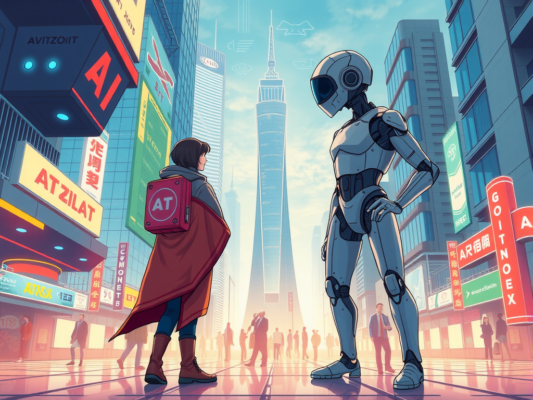
Have you ever wondered how artificial intelligence (AI) is reshaping the future of art careers? From generating digital art to enhancing creative processes, AI is revolutionizing the way artists work and collaborate. In this article, we will explore the impact of AI on the art industry and how it is changing the landscape for aspiring artists and creatives.
AI is not only transforming the way art is created but also how it is consumed. With AI-powered tools like image recognition and predictive analytics, artists can gain valuable insights into trends and audience preferences. The integration of AI in art careers is opening up new possibilities and challenges, making it an exciting time to be a part of the ever-evolving art world. Join us as we delve deeper into the intersection of AI and art, and uncover the opportunities and implications for aspiring artists.
Revolutionizing Art Careers Through AI Technology
AI technology is revolutionizing the world of art careers in ways we never thought possible. From creating unique pieces of artwork to assisting artists in their creative process, artificial intelligence is changing the game for aspiring artists everywhere. With the help of AI, artists can now explore new techniques, styles, and mediums that were previously out of reach. This cutting-edge technology is opening up a whole new world of possibilities for those looking to pursue a career in the arts.

Gone are the days when artists had to rely solely on their own skills and talent to create masterpieces. AI technology is now helping artists take their work to the next level by providing them with tools and resources that can enhance their creativity and productivity. Artists can now use AI to generate new ideas, experiment with different styles, and even collaborate with other artists from around the world. This technology is truly revolutionizing the way art is created and shared with the world.
In addition to helping artists with their creative process, AI technology is also changing the way art is marketed and sold. With the rise of online platforms and social media, artists now have more opportunities than ever to showcase their work to a global audience. AI algorithms can analyze data and trends to help artists identify potential buyers, target their marketing efforts, and even predict which pieces of art will be most successful. This level of insight and analytics is invaluable for artists looking to make a name for themselves in the competitive world of art careers.
The Impact of AI on the Evolution of Artistic Professions
Artistic professions are experiencing a significant shift with the rise of artificial intelligence (AI). These technological advancements are reshaping the way artists create, collaborate, and showcase their work. One of the key impacts of AI on the evolution of artistic professions is the integration of machine learning algorithms into the creative process. This allows artists to explore new possibilities and push the boundaries of traditional art forms. Additionally, AI tools can assist artists in generating ideas, enhancing their creativity, and streamlining their workflow. As a result, artists are able to produce innovative and unique pieces that captivate audiences.
AI's Role in Transforming the Landscape of Artistic Careers
AI's role in transforming the landscape of artistic careers is undeniable. With the advancements in artificial intelligence technology, artists now have access to a wide range of tools and resources that can help them create, collaborate, and showcase their work in ways that were previously unimaginable.
Artificial intelligence has revolutionized the way artists approach their craft, from generating new ideas and inspiration to streamlining the creative process. Here are some key ways AI is changing the future of art careers:
– AI-powered tools can analyze data and trends in the art world, helping artists understand what resonates with audiences and how to best market their work.
– Machine learning algorithms can assist artists in creating more personalized and engaging experiences for viewers, leading to increased exposure and recognition.
– AI can also help artists connect with other creatives, collaborate on projects, and find new opportunities to showcase their work on a global scale.
Overall, the impact of AI on the art world is profound and far-reaching. As artists continue to embrace and integrate this technology into their practice, the possibilities for innovation and creativity are endless. AI is not replacing artists, but rather empowering them to push the boundaries of what is possible in the world of art.
Frequently Asked Question
How AI is Impacting Career Paths in the Art Industry
Artificial Intelligence (AI) is revolutionizing the art industry, offering new opportunities for artists to explore innovative techniques and tools. The integration of AI in art has opened up a whole new world of possibilities, allowing artists to collaborate with intelligent machines to create unique and captivating pieces. As AI continues to evolve, artists are finding new ways to express themselves and connect with audiences on a deeper level. With AI-powered tools becoming more accessible, art careers are shifting towards a more tech-savvy and forward-thinking direction.
What Skills Are Essential for Art Professionals in the Age of AI?
In the age of AI, art professionals need to cultivate a diverse set of skills to stay relevant and competitive in the industry. While creativity and artistic talent remain essential, artists also need to develop proficiency in AI technologies such as machine learning, data analysis, and algorithmic design. By combining traditional artistic skills with technical expertise, art professionals can harness the power of AI to enhance their creativity and push boundaries in their work. Adaptability, curiosity, and a willingness to embrace new technologies are key qualities for art professionals looking to thrive in the age of AI.
How Can Artists Utilize AI Tools to Enhance Their Artistic Practice?
AI tools offer artists a wealth of opportunities to enhance their artistic practice and create innovative works of art. From generating unique patterns and textures to automating repetitive tasks, AI tools can streamline the creative process and inspire new ideas. By leveraging AI-powered software and platforms, artists can explore new techniques, experiment with different styles, and push the boundaries of traditional art forms. The key is to embrace AI as a creative partner and use its capabilities to augment and amplify artistic vision. With the right tools and techniques, artists can harness the power of AI to take their work to new heights.
Conclusion
In conclusion, it is clear that AI is revolutionizing the field of art and changing the future of art careers. With the ability to assist artists in creating innovative works, analyze trends, and even create art on its own, AI is becoming an indispensable tool in the art world. While some may fear that AI will replace human artists, it is more likely that AI will enhance and complement the creative process. As technology continues to advance, artists who embrace AI will have a competitive edge in the evolving art industry.