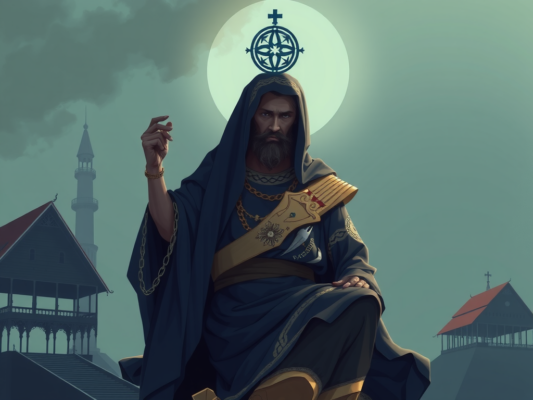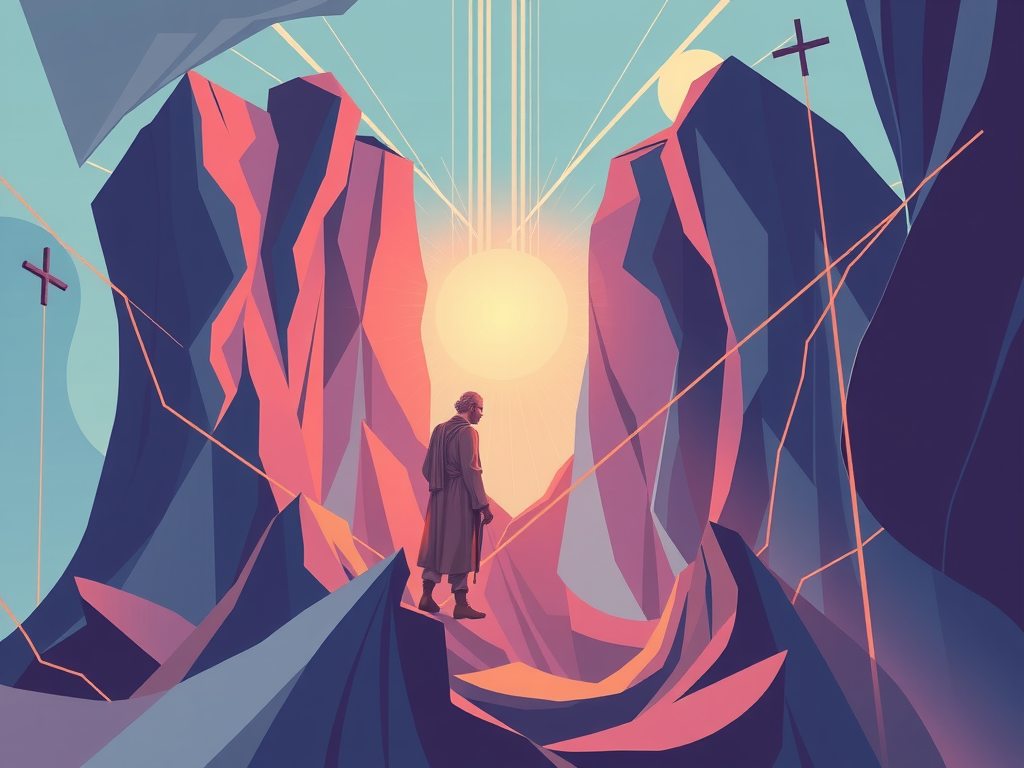
In a world where technology continues to advance at an unprecedented rate, the emergence of AI-generated sacred art raises important ethical questions. As artificial intelligence becomes more sophisticated, the ability of machines to create religious and spiritual artwork that resonates with audiences is becoming a reality. But what are the ethical implications of using AI to produce sacred art? How does this impact the traditional roles of artists and the authenticity of the art itself? These are just some of the complex issues that need to be explored and discussed.
While AI-generated sacred art may offer new possibilities for creativity and expression, it also raises concerns about the spiritual and cultural significance of the artwork. As we delve deeper into the world of AI-generated art, it is crucial to consider the ethical implications and the impact it may have on our understanding of sacred traditions. Join us as we delve into the ethics of AI-generated sacred art and explore the implications of this cutting-edge technology on the world of spirituality and art.
Exploring the Moral Implications of AI-Created Sacred Art
As we delve into the world of AI-generated sacred art, it is crucial to consider the ethical implications that come along with this modern technology. The creation of sacred art has always been deeply rooted in human emotion, spirituality, and cultural significance. However, with the introduction of artificial intelligence into the creative process, questions arise about the authenticity and integrity of these artworks.

One of the main concerns surrounding AI-created sacred art is the potential for devaluing the traditional methods and skills that have been passed down through generations. As machines take over the role of the artist, there is a fear that the human touch and emotional connection will be lost in the process. This raises questions about the impact on the spiritual and cultural significance of these artworks, as well as the role of the artist in society.
Another ethical dilemma that arises from AI-generated sacred art is the question of ownership and authorship. Who owns the rights to these artworks, and can they truly be considered sacred if they are created by a machine? There is a fine line between paying homage to tradition and cultural heritage, and simply replicating it without understanding or respect for its true meaning.
In conclusion, exploring the moral implications of AI-created sacred art is essential in navigating the intersection between technology, creativity, and spirituality. By considering these ethical dilemmas, we can better understand the impact of artificial intelligence on our cultural heritage and the role of the artist in society. As we continue to evolve in the digital age, it is crucial to approach these advancements with a critical eye and a thoughtful consideration of the values that underpin our creative expressions.
Ethical Considerations in the Creation of AI-Generated Religious Art
Ethical Considerations in the Creation of AI-Generated Religious Art
As technology continues to advance, the use of artificial intelligence in the creation of religious art raises important ethical considerations. One of the primary concerns is that AI-generated art may lack the spiritual depth and authenticity that is inherent in traditional sacred art created by human hands. This raises questions about the role of the artist and the impact of technology on spiritual expression.
Another ethical consideration is the potential for AI-generated religious art to be culturally insensitive or appropriative. Without the cultural understanding and sensitivity that human artists possess, AI may inadvertently create art that is offensive or disrespectful to certain religious traditions. This highlights the importance of ensuring that AI is used responsibly and with a deep respect for the diverse beliefs and practices of different cultures.
Additionally, there is the question of ownership and authorship when it comes to AI-generated art. Who owns the rights to art created by a machine? Should credit be given to the programmer, the AI system itself, or both? These questions raise important ethical dilemmas about the nature of creativity and the value of human input in the artistic process.
In conclusion, the creation of AI-generated religious art requires careful consideration of ethical concerns surrounding authenticity, cultural sensitivity, and ownership. While AI has the potential to revolutionize the way we create and experience art, it is essential to approach this technology with a mindful and ethical perspective. By engaging in thoughtful dialogue and reflection, we can ensure that AI-generated sacred art upholds the values of respect, diversity, and spiritual significance.
The Intersection of Ethics and Artificial Intelligence in Sacred Art
The intersection of ethics and artificial intelligence in sacred art raises important questions about the role of technology in religious and spiritual expression. As AI continues to advance, the creation of sacred art through artificial means presents unique challenges and opportunities.
On one hand, AI-generated sacred art has the potential to reach a wider audience and offer new insights into religious themes and symbolism. However, the use of AI in this context also raises concerns about authenticity, cultural appropriation, and the role of human creativity in religious practices. It is essential to consider the ethical implications of using AI to create sacred art and to ensure that these creations are respectful and meaningful to the communities they represent.
Overall, the intersection of ethics and artificial intelligence in sacred art highlights the need for thoughtful reflection and collaboration between artists, technologists, and religious leaders. By approaching this topic with sensitivity and creativity, we can harness the power of AI to deepen our understanding of spiritual traditions and create new forms of expression that resonate with people of all backgrounds.
Frequently Asked Question
What are the ethical considerations surrounding AI-generated sacred art?
When it comes to AI-generated sacred art, there are several ethical considerations that need to be taken into account. One of the main concerns is the potential for AI to mimic or appropriate cultural and religious symbols without proper understanding or respect. It is important to consider how AI algorithms are trained and the potential biases that may be present in the data used. Additionally, questions arise about the authenticity and meaning of art created by AI, as well as the role of human creators in the process. Ethical considerations surrounding AI-generated sacred art require careful thought and consideration to ensure that cultural and religious sensitivities are respected.
How can we ensure that AI-generated sacred art is created ethically?
Ensuring that AI-generated sacred art is created ethically involves a multi-faceted approach. First and foremost, it is essential to have diverse voices and perspectives involved in the development and training of AI algorithms to prevent bias and cultural appropriation. Additionally, transparency in the creation process, including how data is collected and used, is crucial. Creating ethically AI-generated sacred art also requires ongoing dialogue and collaboration between artists, technologists, ethicists, and religious leaders to navigate complex ethical considerations.
What role do human creators play in the creation of AI-generated sacred art?
Human creators play a vital role in the creation of AI-generated sacred art, even when AI algorithms are used in the process. While AI can assist in generating art based on specific parameters and data inputs, human creators provide the vision, intention, and emotional depth that imbue the artwork with meaning and significance. Human creators in AI-generated sacred art act as interpreters and guides, infusing the art with cultural context, spiritual insight, and ethical considerations that AI alone cannot replicate.
How can AI-generated sacred art contribute to cultural and spiritual expression?
AI-generated sacred art has the potential to contribute to cultural and spiritual expression in unique and innovative ways. By leveraging AI algorithms to create art that reflects diverse cultural traditions and spiritual beliefs, artists can explore new creative possibilities and engage audiences in meaningful dialogue. AI-generated sacred art can bridge gaps between different cultures, religions, and worldviews, fostering understanding and appreciation for diverse forms of expression.
Conclusion
In conclusion, the ethics of AI-generated sacred art raises important questions about the role of technology in cultural and religious expression. While AI can create stunning works of art, it is crucial to consider the implications of removing human creativity and intention from sacred imagery. As we continue to explore the intersection of technology and spirituality, it is essential to approach AI-generated art with caution and mindfulness, ensuring that the sacred remains sacred in the digital age.