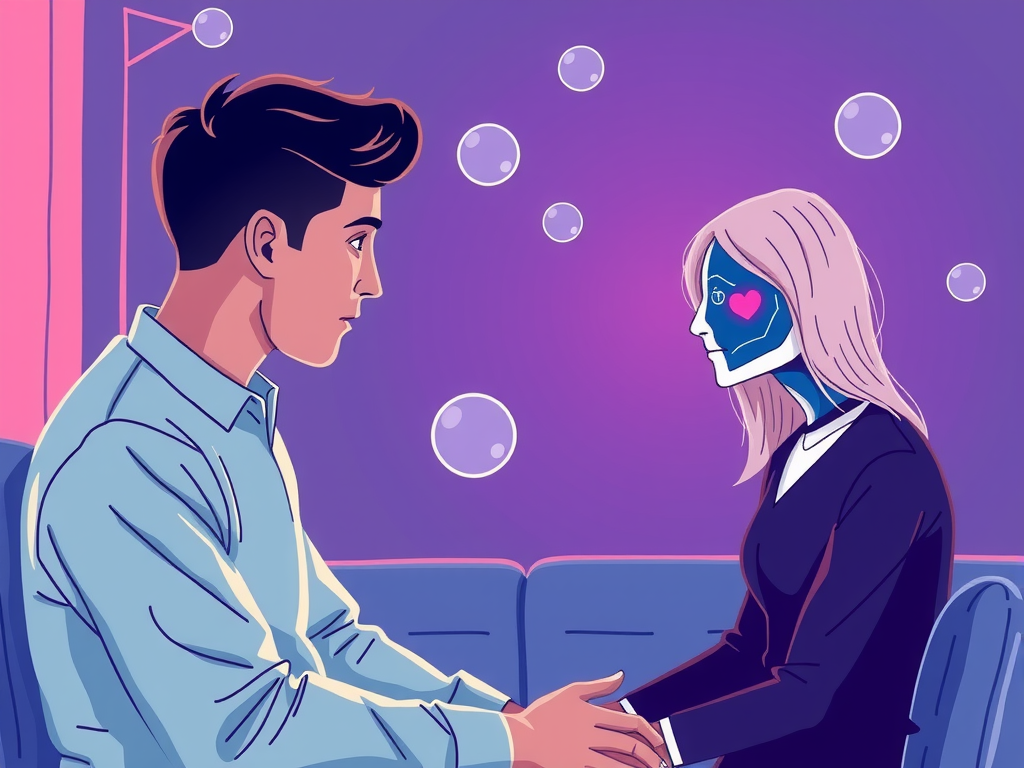
Have you ever wondered how therapists are using artificial intelligence to create engaging and informative mental health videos? AI technology is revolutionizing the way therapists connect with their clients and provide valuable resources for those seeking help. By utilizing AI algorithms, therapists can analyze data, personalize content, and even suggest treatment options for individuals struggling with mental health issues.
AI helps therapists create mental health videos by streamlining the production process, improving accuracy, and enhancing the overall user experience. With AI-powered tools, therapists can easily generate scripts, edit videos, and optimize content for search engines. This results in high-quality, targeted videos that resonate with viewers and provide valuable insights into mental health topics. So, if you're looking for innovative ways to reach a wider audience and make a positive impact, incorporating AI into your video creation process is the way to go.
Table of contents
Enhancing Therapist Practices with AI-Generated Mental Health Videos
Therapists are constantly looking for ways to enhance their practices and better support their clients' mental health needs. With the help of AI-generated mental health videos, therapists can now create personalized and impactful content that resonates with their clients on a deeper level. These videos can cover a wide range of topics, from coping mechanisms and stress management techniques to mindfulness practices and self-care tips. By leveraging AI technology, therapists can produce high-quality videos that are both informative and engaging, helping them connect with their clients in a more meaningful way.

AI-generated mental health videos can also help therapists reach a broader audience and make their services more accessible to those in need. By creating content that is easily shareable online, therapists can extend their reach beyond the confines of their office and connect with individuals who may not have access to traditional therapy. These videos can serve as a valuable resource for those seeking support, offering guidance and insight on various mental health issues in a format that is easy to understand and digest.
The Impact of AI on Creating Effective Mental Health Videos for Therapists
In today's digital age, therapists are increasingly turning to AI technology to create effective mental health videos that can reach and connect with a wider audience. The impact of AI on creating these videos is significant, as it offers therapists innovative tools and resources to enhance their content and delivery.
AI algorithms can analyze vast amounts of data to personalize video recommendations and content based on the viewer's preferences and needs. This level of personalization can help therapists tailor their videos to specific mental health concerns, making them more engaging and relevant to their audience.
Additionally, AI can assist therapists in creating visually appealing and engaging videos through features like automated editing, scene selection, and even virtual reality simulations. These tools can help therapists communicate complex mental health concepts in a more accessible and understandable way, ultimately improving the effectiveness of their videos.
Furthermore, AI-powered analytics can provide therapists with valuable insights into how their videos are being received and consumed by viewers. By tracking metrics such as engagement, retention rates, and viewer feedback, therapists can continuously improve their content to better meet the needs of their audience.
In conclusion, the impact of AI on creating effective mental health videos for therapists is undeniable. By leveraging AI technology, therapists can enhance the quality, reach, and impact of their videos, ultimately helping more people access valuable mental health resources and support.
Empowering Therapists Through AI-Driven Mental Health Video Production
Therapists are now harnessing the power of artificial intelligence to create impactful mental health videos that resonate with their patients. With AI-driven video production tools, therapists can easily craft engaging and informative content that addresses a wide range of mental health topics. By leveraging AI technology, therapists can streamline the video creation process, saving time and resources while still delivering high-quality content to their audience.
AI-powered video production tools can help therapists personalize their content to better connect with their patients on a more individual level. By analyzing data and trends, AI can assist therapists in creating videos that are tailored to the specific needs and preferences of their viewers. This personalized approach can make mental health videos more relatable and effective in addressing the unique challenges faced by each patient.
In addition to personalization, AI can also help therapists optimize their videos for maximum impact. By analyzing viewer engagement metrics, AI can provide insights into what content resonates most with their audience. This data-driven approach allows therapists to refine their video content over time, ensuring that they are delivering the most relevant and helpful information to their patients.
Overall, AI-driven mental health video production is empowering therapists to create more engaging and effective content that can have a positive impact on their patients' mental well-being. By leveraging the power of AI technology, therapists can enhance their video creation process, personalize their content, and optimize their videos for maximum impact, ultimately improving the effectiveness of their mental health videos.
Frequently Asked Question
How AI Enhances Mental Health Video Creation for Therapists
Artificial Intelligence (AI) is revolutionizing the way therapists create mental health videos by offering advanced tools to streamline the production process. With AI, therapists can generate personalized content that resonates with their audience, leading to better engagement and outcomes. By harnessing the power of AI, therapists can create videos that cater to individual needs and preferences, ultimately improving the effectiveness of their therapy sessions.
The Impact of AI on Video Quality and Engagement
AI technology enables therapists to enhance the quality of their mental health videos by providing features such as automated editing, sentiment analysis, and personalized recommendations. This results in videos that are more engaging, informative, and tailored to the specific needs of each viewer. As a result, therapists can create content that is more effective in delivering their message and connecting with their audience.
Utilizing AI for Content Creation and Distribution
AI assists therapists in creating and distributing mental health videos by analyzing data, identifying trends, and generating insights that can inform their content strategy. With AI-powered tools, therapists can optimize their videos for search engines, social media platforms, and other distribution channels, increasing their reach and impact. By leveraging AI, therapists can maximize the visibility and effectiveness of their mental health videos.
Enhancing Therapist-Client Relationships with AI-Generated Videos
AI technology enables therapists to strengthen their relationships with clients by providing them with personalized, engaging, and informative mental health videos. By incorporating AI-generated content into their therapy sessions, therapists can offer clients additional support and resources outside of traditional sessions. This helps to deepen the therapist-client bond and improve the overall effectiveness of therapy.
Conclusion
In conclusion, AI technology is playing a crucial role in helping therapists create mental health videos in a more efficient and effective way. By utilizing AI tools, therapists can generate content that is personalized, engaging, and relatable to their audience. This technology enables therapists to reach a wider audience and provide valuable resources for individuals seeking mental health support. Overall, the integration of AI in video creation for mental health purposes is revolutionizing the way therapists connect with their clients and deliver important messages of hope and healing.