Are you torn between using AI or green screen technology for your visual effects? Many people wonder which option produces better results. In this article, we will explore the differences between AI and green screen and determine which one is more effective in creating stunning visual effects that captivate audiences.
AI, or artificial intelligence, has revolutionized the world of visual effects by offering advanced algorithms that can generate realistic images and animations. On the other hand, green screen technology has been a popular choice for filmmakers for years, allowing them to superimpose various backgrounds and elements onto a scene. So, which one is better? Let's delve deeper into the pros and cons of each method to help you make an informed decision.
Unlocking the Debate: AI vs Green Screen Visual Effects
When it comes to creating visual effects for films, two main techniques stand out: AI and green screen. Both methods have their pros and cons, but which one produces better visual effects? Let's dive into the debate and see how AI and green screen stack up against each other.

AI visual effects are becoming increasingly popular in the film industry. Using artificial intelligence technology, filmmakers can create realistic and seamless visual effects that were once only possible with green screens. AI allows for quick and efficient editing, saving time and money in the production process.
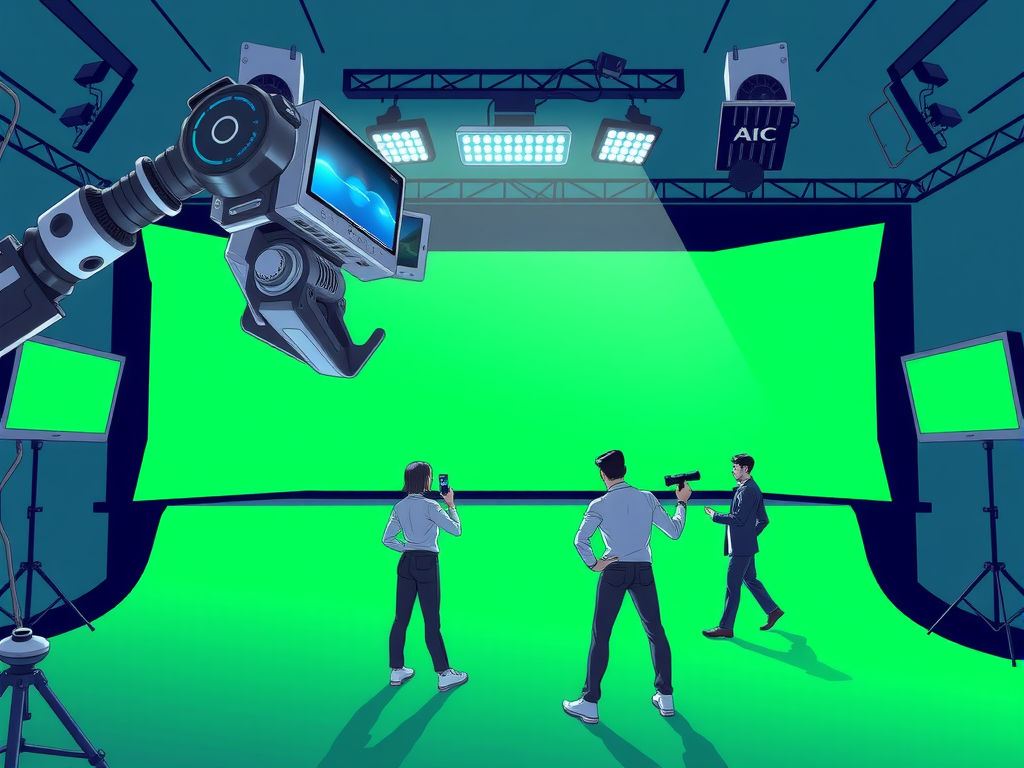
On the other hand, green screens have been a staple in the film industry for decades. By filming actors in front of a green screen and later adding in the background digitally, filmmakers can create stunning visual effects that transport viewers to different worlds. While green screens require more set-up and post-production work, they offer a level of control and customization that AI may struggle to match.
In conclusion, the debate between AI and green screen visual effects ultimately comes down to personal preference and the specific needs of each film project. Both techniques have their own strengths and weaknesses, and the decision of which to use will depend on the desired outcome and budget constraints. Whichever method filmmakers choose, the goal remains the same: to create captivating and immersive visual effects that enhance the overall viewing experience. And with advancements in technology, the future of visual effects in film looks brighter than ever before.
The Ultimate Showdown: AI vs Green Screen for Visual Effects
The battle between AI and green screen for producing visual effects has been a hot topic in the film industry. While both technologies have their strengths and weaknesses, it ultimately comes down to which one can deliver the best results for filmmakers. AI, with its advanced algorithms and machine learning capabilities, offers a more streamlined and efficient approach to creating visual effects. On the other hand, green screen technology has been a staple in the industry for decades, allowing filmmakers to create realistic and immersive environments for their films.
One of the main advantages of AI in visual effects is its ability to automate certain processes, saving time and resources for filmmakers. AI-powered tools can quickly generate realistic textures, lighting effects, and even entire environments, reducing the need for manual labor and extensive post-production work. This can result in faster turnaround times and cost savings for production companies.
However, green screen technology still has its place in the industry, especially when it comes to creating complex and dynamic visual effects. By filming actors against a green screen, filmmakers have the flexibility to place them in any environment or setting, allowing for limitless creative possibilities. While this method may require more time and effort during filming and post-production, the end result can be incredibly immersive and visually stunning.
Decoding Visual Effects: AI vs Green Screen Comparison
Visual effects have become an integral part of modern filmmaking, helping to create immersive worlds and realistic scenarios on the silver screen. Two popular techniques used in the industry are AI and green screen technology. Both methods have their own strengths and weaknesses, but which one produces better visual effects? Let's delve into a comparison between AI and green screen technology to see which one comes out on top.
AI technology has revolutionized the way visual effects are created in movies and TV shows. By using machine learning algorithms, AI can generate realistic and detailed images that mimic real-life scenarios. This technology can be used to create lifelike characters, breathtaking landscapes, and seamless special effects. On the other hand, green screen technology relies on physically filming actors against a green backdrop and then replacing the background with computer-generated imagery. While this method has been used for decades and is a staple in the industry, it can sometimes result in less realistic visuals compared to AI-generated effects.
In terms of versatility, AI technology has the upper hand. AI algorithms can be trained to create a wide range of visual effects, from futuristic cityscapes to mythical creatures. This flexibility allows filmmakers to bring their wildest imaginations to life with ease. Green screen technology, on the other hand, is limited by the physical constraints of the green screen and requires careful planning and coordination during filming. Additionally, AI technology can save time and resources by eliminating the need for elaborate sets and props, making it a cost-effective option for filmmakers on a budget.
While both AI and green screen technology have their own advantages and drawbacks, the choice between the two ultimately comes down to the specific needs of the project. Some filmmakers may prefer the realistic detail that AI technology can provide, while others may opt for the practicality and familiarity of green screen technology. In the end, the best visual effects technique is the one that seamlessly integrates with the creative vision of the filmmaker and enhances the overall storytelling experience for the audience.
Frequently Asked Question
AI vs Green Screen: Which Produces Better Visual Effects?
When it comes to creating visual effects, there is often a debate between using AI technology and traditional green screens. While both methods have their advantages, the answer to which produces better visual effects ultimately depends on the specific project and desired outcome.
AI Technology for Visual Effects
AI technology has revolutionized the world of visual effects by allowing for more realistic and seamless integration of computer-generated imagery (CGI) into live-action footage. With AI, complex algorithms can analyze and manipulate images to create stunning visual effects that were once only possible with extensive manual labor.
Green Screen for Visual Effects
On the other hand, green screens have been a staple in the film industry for decades, allowing filmmakers to superimpose actors onto any background they desire. While green screens can be effective when used correctly, they often require careful lighting and post-production work to achieve a realistic look.
Choosing the Right Method for Your Project
When deciding between using AI technology or green screens for visual effects, it is important to consider the specific requirements of your project. AI technology may be more cost-effective and efficient for certain types of effects, while green screens may offer more creative flexibility in other situations. Ultimately, the best method will depend on the specific needs and goals of your project.
Conclusion
In conclusion, when comparing AI and green screens for producing visual effects, it is evident that both technologies have their own strengths and limitations. While AI offers more flexibility and efficiency in generating realistic effects, green screens remain a popular choice for filmmakers due to their reliability and cost-effectiveness. Ultimately, the choice between AI and green screens depends on the specific needs and budget of the project. Each has its own unique advantages and can be utilized effectively to create stunning visual effects in film and television production. It is essential for filmmakers to carefully consider their options and choose the technology that best suits their creative vision and production requirements.