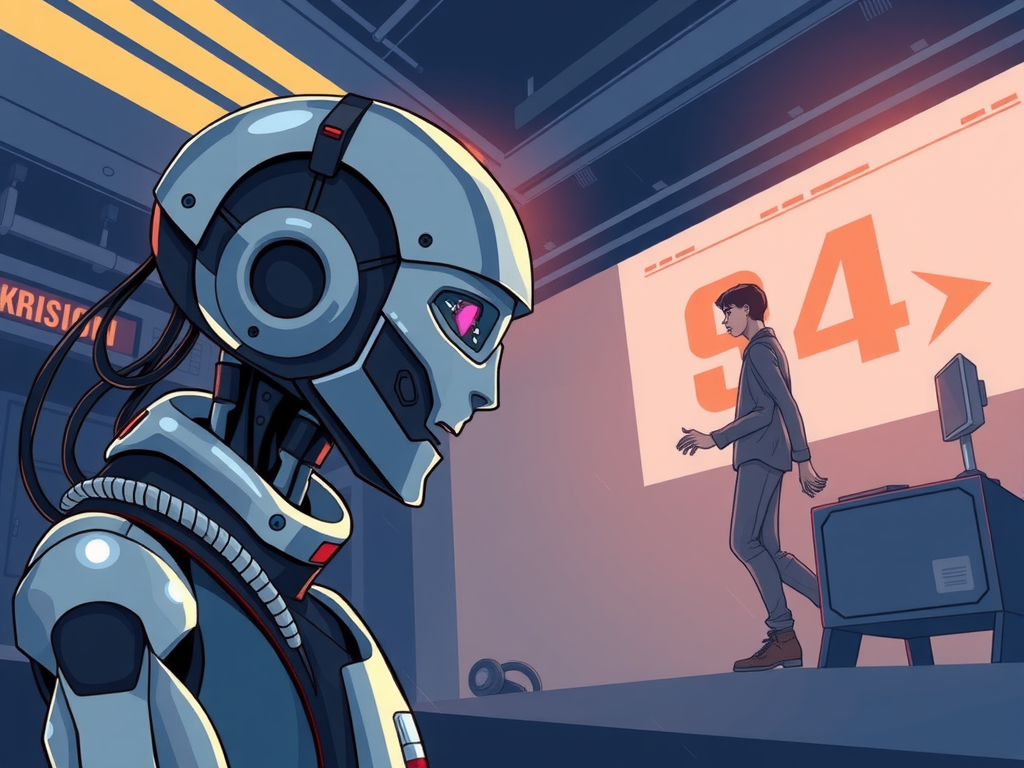
Artificial intelligence (AI) has become an increasingly popular tool in the world of art, with many AI-generated works garnering attention and appreciation. However, a question that often arises is: who owns the copyright to these pieces? Can an AI artist claim ownership, or does the credit belong to the human programmer behind the technology? This debate raises important legal and ethical considerations that continue to evolve as AI technology advances.
While copyright laws vary by country, the general consensus is that copyright protection is granted to human creators, not to machines. This raises an interesting dilemma when it comes to AI-generated art, as the lines between human and machine creativity continue to blur. As we delve deeper into the complexities of AI vs human artists and copyright ownership, it becomes clear that this is a topic that warrants further exploration and discussion.
Table of contents
Exploring Copyright Ownership in AI vs Human Artists
As we delve into the realm of copyright ownership in the world of AI versus human artists, a plethora of intriguing questions arise. Who truly owns the rights to the creative works produced by AI systems? How does this compare to the ownership rights of human creators? Let's explore the complexities and nuances of copyright ownership in this ever-evolving landscape.

In the realm of AI-generated art, the question of copyright ownership becomes increasingly convoluted. While human artists are traditionally granted copyright protection for their creations, the same cannot be said for AI-generated works. AI systems lack the legal status of a human being, raising significant challenges in determining who holds the rights to the artistic output.
On the other hand, human artists have long enjoyed copyright protection for their creative works. The law recognizes the effort, skill, and originality that human creators invest in their art, granting them exclusive rights to reproduce, distribute, and display their works. However, as AI technology continues to advance, the lines between human and machine-generated art blur, posing new challenges to the existing copyright framework.
In conclusion, the issue of copyright ownership in AI versus human artists is a complex and multifaceted one. As AI technology continues to reshape the creative landscape, it is crucial for policymakers and legal experts to address the evolving nature of copyright law. Only through thoughtful consideration and collaboration can we ensure a fair and equitable system that protects the rights of all creators, both human and artificial. Let's continue to explore this fascinating topic and stay tuned for more insights into the world of AI-generated art.
The Legal Battle: AI Creations vs Human Creations
Artificial Intelligence (AI) has been making waves in the art world with its ability to create stunning pieces of art that rival those made by human artists. However, this has sparked a legal battle over who owns the copyright to these creations. In the case of AI creations versus human creations, the question of copyright ownership becomes even more complex and contentious.
One of the main arguments in this legal battle is whether AI can be considered as a creator in the same way that humans are. While AI may have the ability to generate original and creative works, it lacks the human experience and emotions that often inspire artistic creations. This raises questions about whether AI should be granted the same copyright protections as human artists.
On the other hand, proponents of AI argue that the technology has the potential to revolutionize the art world by creating unique and innovative works that push the boundaries of traditional art forms. They believe that AI should be recognized as a legitimate creator and be entitled to copyright protection for its creations.
In conclusion, the legal battle between AI creations and human creations is far from over. As technology continues to advance, the question of copyright ownership in the art world will only become more complex and nuanced. It is essential for lawmakers and artists to work together to find a balance that protects the rights of creators while also embracing the possibilities that AI brings to the table.
Deciphering Copyright Laws: AI Artwork vs Human Artwork
When it comes to the world of art and copyright laws, the rise of AI technology has brought some new challenges and questions to the table. One of the most debated topics in recent years is the issue of who owns the copyright for artworks created by artificial intelligence versus those created by human artists.
Artificial intelligence has the ability to create stunning and unique pieces of art, often blurring the lines between what is considered human creativity and what is driven by algorithms. This has raised concerns about copyright ownership and the legal implications surrounding AI-generated artwork.
In the traditional sense, copyright laws are designed to protect the rights of human creators and provide them with exclusive control over their work. However, the question of whether AI can be considered a creator and thus entitled to copyright protection is still up for debate.
As we navigate through this evolving landscape, it is important to consider the implications of copyright laws on AI-generated artwork versus human-created artwork. Understanding the nuances of these laws can help us appreciate the value of both human creativity and AI innovation in the world of art.
Frequently Asked Question
AI vs Human Artists: Who Owns the Copyright?
When it comes to AI-generated artwork, the question of copyright ownership can be a complex issue. In the case of human artists, copyright generally belongs to the creator of the work. However, with AI-generated art, things can get a bit more complicated. In some cases, the copyright may belong to the person or entity that created or trained the AI algorithm. This is a gray area that is still being debated and may vary depending on the specific circumstances.
Understanding Copyright Laws in the Age of AI
With the rise of AI technology, copyright laws are constantly evolving to keep up with the changing landscape of art creation. It is important for both human and AI artists to understand their rights and responsibilities when it comes to copyright. By staying informed and seeking legal advice when needed, artists can protect their work and ensure that they are properly credited and compensated for their creations.
Conclusion
In conclusion, the debate over who owns the copyright when it comes to AI-generated artwork is a complex and evolving issue. While AI can create stunning pieces of art, the question of authorship and ownership remains murky. As human artists continue to collaborate with AI or use it as a tool in their creative process, the lines between man and machine become increasingly blurred. Ultimately, it may be up to the legal system to determine the rights and responsibilities of both parties in this new artistic landscape.