As the debate over AI vs human creativity continues to heat up in American art schools, many are left wondering: can machines truly replace the creative abilities of humans? While AI has certainly made strides in generating art and music, there are still questions about the authenticity and emotional depth of these creations. This ongoing discussion has sparked a fascinating dialogue about the role of technology in the creative process and the future of art education.
While some argue that AI can enhance and streamline the creative process, others worry about the loss of human touch and individual expression. As art schools grapple with how to integrate AI into their curriculum, students and educators alike are left to ponder the implications for the future of creativity. Join us as we delve deeper into this complex and nuanced topic, exploring the intersection of technology and human ingenuity in the world of art.
The Impact of AI on Creativity in American Art Schools
Art schools in America are grappling with the impact of artificial intelligence on creativity. As AI technology continues to advance, there is a growing concern about how it will shape the future of art education. One of the main questions being debated is whether AI can truly replicate the creativity and intuition of human artists. While AI has the ability to generate art based on algorithms and data, many argue that it lacks the emotional depth and personal expression that human artists bring to their work.

Some educators believe that AI can be a valuable tool for artists, providing new ways to explore creativity and push boundaries. For example, AI can analyze large data sets and identify patterns that humans may not recognize, leading to innovative and unexpected artistic creations. Additionally, AI can assist artists in the technical aspects of art-making, such as color theory and composition, allowing them to focus more on their conceptual ideas.
However, there are concerns that relying too heavily on AI in art education could stifle the development of individual creativity and originality. There is a fear that students may become overly reliant on AI algorithms and lose sight of the personal touch that makes art unique. It is essential for art schools to strike a balance between utilizing AI technology as a tool for creative exploration and ensuring that students continue to develop their own artistic voice and vision.
In conclusion, the impact of AI on creativity in American art schools is a complex and evolving issue. While AI has the potential to enhance the artistic process and open up new possibilities, it is essential to preserve the human element of art-making. By embracing AI as a complementary tool rather than a replacement for human creativity, art schools can continue to foster the next generation of innovative and expressive artists.
Exploring the Clash Between AI and Human Creativity in Art Education
As American art schools continue to grapple with the integration of AI technology into their curriculum, the clash between artificial intelligence and human creativity has become a hot topic of debate. Many argue that AI has the potential to revolutionize the art world, while others fear that it may stifle the unique expression and emotional depth that only humans can bring to their work.
One of the key points of contention is whether AI can truly replicate the creative process of a human artist. While AI algorithms can analyze data and produce impressive works of art, they may lack the emotional intelligence and personal experiences that drive human creativity. This raises questions about the authenticity and soulfulness of AI-generated art compared to pieces created by human hands and minds.
Another aspect to consider is the role of AI in art education. Some believe that incorporating AI into the curriculum can enhance students' technical skills and push the boundaries of traditional art forms. However, there are concerns that relying too heavily on AI tools may hinder students' ability to develop their own unique artistic voice and vision.
Ultimately, the clash between AI and human creativity in art education is a complex and evolving issue that requires careful consideration. Finding the right balance between harnessing the power of AI technology and nurturing the creative spirit of human artists is crucial for the future of art education. Only time will tell how this debate will shape the next generation of artists.
AI vs Human: Unpacking the Debate in American Art School Curriculum
In the ever-evolving landscape of American art schools, the debate between AI and human creativity has taken center stage. As technology continues to advance, many educators are grappling with the question of how to integrate artificial intelligence into the curriculum without sacrificing the unique perspective and ingenuity that only human artists can provide.
One of the main arguments in favor of incorporating AI into art school curriculum is its ability to analyze vast amounts of data and generate highly detailed and precise artwork. Proponents believe that by harnessing the power of machine learning algorithms, students can access new tools and techniques that were previously unavailable to them.
On the other hand, critics argue that relying too heavily on AI in art education could stifle the individuality and creativity of students. They fear that by using pre-programmed algorithms to generate artwork, students may lose the ability to think critically and develop their own unique artistic voice.
While the debate rages on, it is clear that finding a balance between AI and human creativity is essential in American art schools. By embracing technology while also nurturing the creative spark that makes us uniquely human, educators can prepare students to thrive in a rapidly changing artistic landscape. And in this ongoing conversation, one thing remains certain: the future of art education will be shaped by the delicate interplay between man and machine.
Frequently Asked Question
AI vs Human Creativity: The Debate in American Art Schools
One of the ongoing debates in American art schools is the comparison between AI and human creativity. While AI has shown impressive capabilities in creating art and music, many argue that it lacks the emotional depth and unique perspective that humans bring to their work. Despite advancements in technology, many artists believe that the human touch is irreplaceable when it comes to creating truly original and meaningful pieces.
The Role of AI in Art Education
As AI continues to advance, some art schools are incorporating it into their curriculum to expose students to new tools and techniques. While AI can assist artists in generating ideas and creating digital art, it is still up for debate whether it can truly spark the same level of creativity as human inspiration. The integration of AI in art education raises questions about the future of artistic expression and the boundaries between human and machine creativity.
Challenges and Opportunities for Artists in the Age of AI
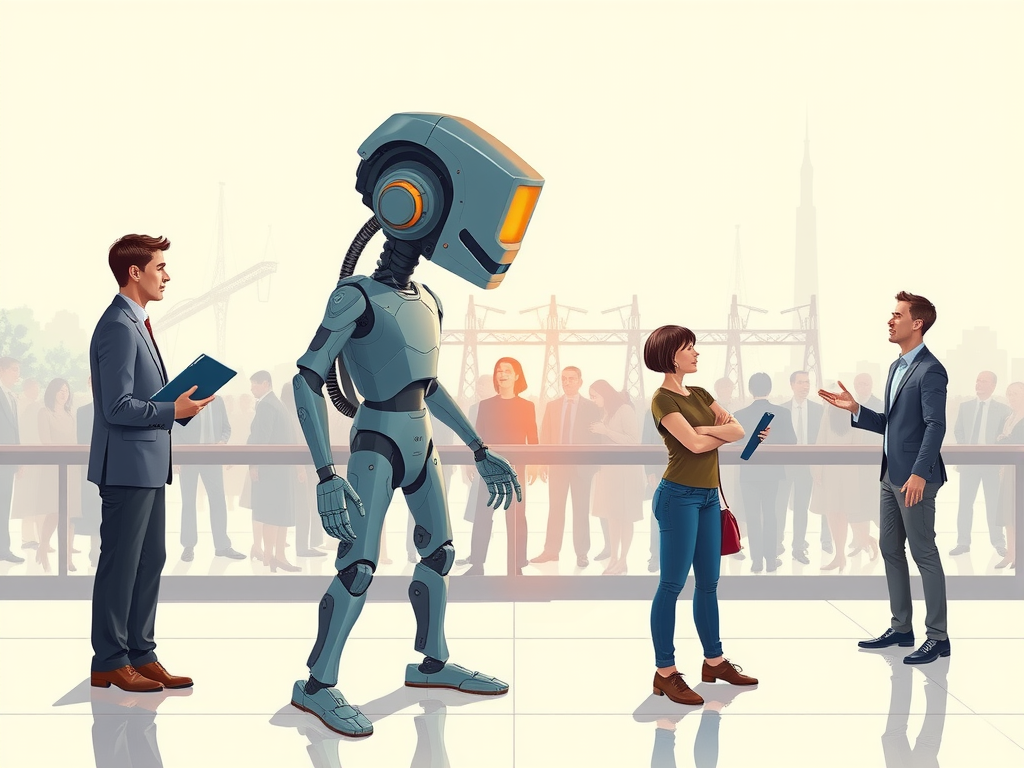
As AI technology becomes more sophisticated, artists face both challenges and opportunities in adapting to this new landscape. While AI can streamline certain aspects of the creative process, artists must also grapple with ethical considerations and concerns about originality. Finding a balance between leveraging AI as a tool and maintaining the authenticity of their work is a key challenge for artists in the age of AI. However, embracing AI can also open up new possibilities for collaboration and experimentation, pushing the boundaries of traditional artistic practices.
Conclusion
In conclusion, the debate between AI and human creativity in American art schools is ongoing, with both sides presenting compelling arguments. While AI can generate art quickly and efficiently, it lacks the emotional depth and originality that human artists bring to their work. As technology continues to advance, it is important for art schools to find a balance between incorporating AI tools and nurturing the unique creativity of their students. Ultimately, the collaboration between humans and AI may lead to exciting new possibilities in the world of art.