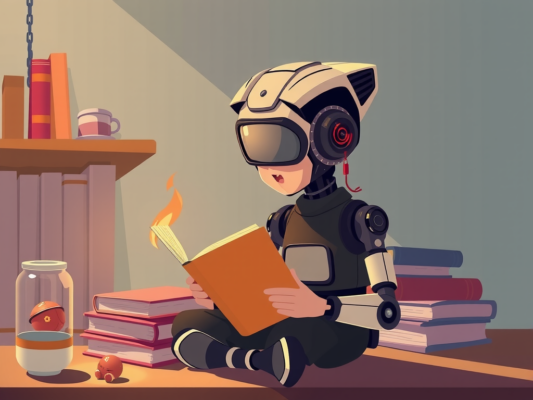
As virtual reality technology continues to advance, the role of artificial intelligence in worldbuilding has become increasingly prominent. AI plays a crucial role in enhancing the immersive experience of virtual environments by creating realistic and dynamic settings. By utilizing AI algorithms, developers can generate lifelike landscapes, characters, and interactions that adapt to user behavior in real-time.
This synergy between AI and virtual reality not only elevates the quality of visual and auditory elements but also enhances the overall user engagement and immersion. From interactive storytelling to personalized experiences, AI-driven worldbuilding in virtual reality opens up a world of possibilities for creating captivating and realistic virtual worlds. In this article, we will delve deeper into the ways in which AI enhances virtual reality worldbuilding and explore the potential impact it has on the future of immersive technology.
Table of contents
Revolutionizing Virtual Reality Worldbuilding with AI
Virtual reality worldbuilding has been revolutionized by the integration of artificial intelligence (AI) technology. AI has brought a new level of sophistication and realism to virtual reality environments, enhancing the overall experience for users. By leveraging the power of AI, developers are able to create dynamic and interactive worlds that react to user input in real-time, providing a more immersive and engaging experience.

One of the key ways in which AI enhances virtual reality worldbuilding is through the creation of intelligent NPCs (non-player characters). These AI-controlled characters are able to adapt their behavior based on the actions of the player, creating a more realistic and immersive gaming experience. AI algorithms can also be used to generate realistic landscapes, buildings, and other elements of the virtual world, enhancing the visual appeal and authenticity of the environment.
Furthermore, AI can help streamline the worldbuilding process by automating repetitive tasks and generating content more efficiently. This allows developers to focus on creating more engaging and dynamic experiences for users, without getting bogged down in tedious manual labor. Overall, the combination of AI and virtual reality has the potential to revolutionize the way we experience and interact with digital environments, opening up new possibilities for entertainment, education, and beyond.
AI's Impact on Enhancing Virtual Reality World Creation
AI's impact on enhancing virtual reality world creation is undeniable. With the help of artificial intelligence, developers can create more realistic and immersive virtual worlds that truly come to life. AI algorithms can generate complex environments, characters, and interactions that add depth and authenticity to the virtual experience. By analyzing user behavior and preferences, AI can also personalize the virtual world to meet individual needs and enhance user engagement. This technology is revolutionizing the way virtual reality worlds are built and experienced, pushing the boundaries of what is possible in the digital realm.
Furthermore, AI enables virtual reality worldbuilding to be more efficient and cost-effective. With AI-powered tools, developers can automate certain tasks such as generating textures, animations, and environments, saving time and resources in the creation process. AI algorithms can also help optimize the performance of virtual reality applications, ensuring smooth gameplay and realistic visuals. By harnessing the power of AI, developers can streamline the development process and deliver high-quality virtual reality experiences to users.
In addition, AI enhances the interactivity and realism of virtual reality worlds. By incorporating machine learning algorithms, virtual reality environments can adapt to user inputs and provide dynamic responses in real-time. This level of interactivity creates a more immersive and engaging experience for users, making virtual reality worlds feel more lifelike and responsive. AI also enables virtual reality worlds to learn and evolve based on user interactions, providing a truly personalized and unique experience for each user. The combination of AI and virtual reality is reshaping the future of digital entertainment, offering endless possibilities for creativity and innovation.
Utilizing Artificial Intelligence to Elevate Virtual Reality Worldbuilding
The integration of artificial intelligence into virtual reality worldbuilding has revolutionized the way immersive environments are created and experienced. By harnessing the power of AI, developers are able to enhance the realism and interactivity of virtual worlds, creating more engaging and dynamic experiences for users. AI algorithms can analyze and process vast amounts of data in real-time, allowing for the creation of complex and lifelike environments that respond to user input and adapt to their actions. This level of sophistication would be impossible to achieve without the use of AI technology.
One of the key ways in which AI enhances virtual reality worldbuilding is through the creation of realistic and intelligent NPCs (non-playable characters). These AI-driven characters can interact with users in a natural and dynamic way, responding to their actions and decisions in real-time. This level of immersion adds depth and complexity to virtual worlds, making them feel more like living, breathing environments rather than static simulations. AI technology also allows for the creation of more diverse and realistic landscapes, populated with a wide range of flora and fauna that behave realistically and interact with each other and the user.
Overall, the utilization of artificial intelligence in virtual reality worldbuilding represents a major leap forward in the development of immersive and engaging virtual experiences. By leveraging the power of AI algorithms, developers are able to create more dynamic and responsive virtual worlds that provide users with a truly immersive and interactive experience. The possibilities for AI-driven virtual reality worldbuilding are endless, and we can expect to see even more exciting advancements in the future as technology continues to evolve and improve.
Frequently Asked Question
How AI Enhances Virtual Reality Worldbuilding
Artificial intelligence (AI) plays a crucial role in enhancing virtual reality (VR) worldbuilding by creating more realistic and immersive environments. By using AI algorithms, developers can generate dynamic landscapes, lifelike characters, and realistic behaviors within virtual worlds. This technology allows for more interactive and engaging VR experiences, bringing a new level of realism to virtual environments.
The Role of AI in Virtual Reality Worldbuilding
AI in virtual reality worldbuilding is essential for creating complex and dynamic environments that respond to user interactions in real-time. By leveraging AI-powered tools, developers can generate procedurally generated content, optimize performance, and create personalized experiences for users. This technology enables more realistic simulations and interactive storytelling within virtual worlds.
Benefits of AI-Enhanced Virtual Reality Worldbuilding
The integration of AI in virtual reality worldbuilding brings numerous benefits, including enhanced immersion, increased interactivity, and improved realism. By using AI algorithms, developers can create more lifelike environments, adaptive gameplay, and personalized experiences for users. This technology also enables dynamic storytelling, procedural generation, and improved performance in virtual reality applications.
Conclusion
In conclusion, AI plays a crucial role in enhancing virtual reality worldbuilding by creating more realistic and immersive experiences for users. Through AI algorithms, virtual worlds can be dynamically generated and populated with interactive elements, making the virtual environment feel more alive and engaging. By harnessing the power of AI, developers can push the boundaries of virtual reality technology and create truly unforgettable experiences for users.