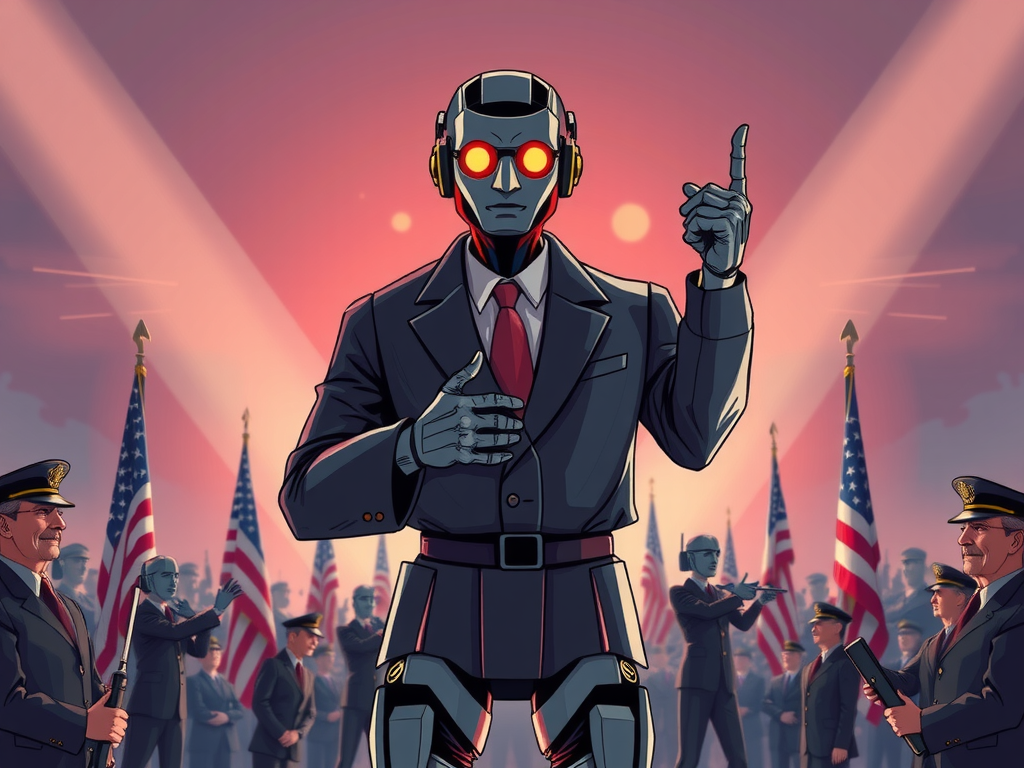
As technology continues to advance, the use of artificial intelligence in political messaging in the US has raised ethical concerns. The ability of AI to analyze vast amounts of data and target specific groups of people with tailored messages has the potential to influence elections and public opinion in ways we have never seen before. But where do we draw the line between effective campaigning and manipulation?
While AI can help political campaigns reach a wider audience and tailor their messages to resonate with specific demographics, there are also concerns about privacy, fairness, and transparency. As the use of AI in political messaging becomes more prevalent, it is crucial for lawmakers, tech companies, and the public to engage in discussions about the ethical implications of these technologies to ensure that they are used responsibly and ethically. Let's delve deeper into the ethics of using AI for political messaging in the US and explore the potential consequences of this rapidly evolving technology.
The Ethical Implications of AI in US Political Messaging
The use of Artificial Intelligence in political messaging in the United States raises important ethical questions that need to be addressed. One of the key concerns is the potential for AI to manipulate public opinion and undermine the democratic process. By using AI algorithms to target specific groups of voters with tailored messages, political actors risk creating echo chambers and reinforcing existing biases. This could lead to polarization and division within society, making it harder to have meaningful and constructive political discourse. Additionally, there are concerns about the transparency and accountability of AI-powered political campaigns, as well as the potential for misuse and abuse of this technology.

AI and Political Messaging: Navigating Ethical Challenges
AI and political messaging present a complex ethical dilemma that requires careful navigation. As artificial intelligence technology continues to advance, the use of AI in political messaging raises important questions about privacy, transparency, and manipulation. One of the key challenges is ensuring that AI is used ethically and responsibly in the realm of political communication. It is crucial to strike a balance between leveraging AI to improve the effectiveness of political messaging while also upholding ethical standards and safeguarding democratic principles.
AI has the potential to revolutionize the way political campaigns are run, but it also has the power to manipulate public opinion and undermine the democratic process. As AI algorithms become more sophisticated, there is a growing concern about the potential for targeted messaging and micro-targeting to influence voters in ways that are unethical or deceptive. Transparency is essential in ensuring that AI-powered political messaging is used in a fair and accountable manner.
Additionally, there are concerns about the potential for bias and discrimination in AI algorithms used for political messaging. It is essential to address these ethical challenges by establishing clear guidelines and regulations for the use of AI in political campaigns. By promoting transparency, accountability, and fairness, we can harness the power of AI for political messaging while upholding ethical standards and protecting the integrity of the democratic process.
Ensuring Ethical Use of AI in US Political Communication
As technology continues to advance, the use of AI in political messaging has become a topic of debate. It is essential to ensure that AI is used ethically in US political communication to maintain transparency and fairness. One way to achieve this is by implementing strict regulations and guidelines for the use of AI in political campaigns. By holding political parties and organizations accountable for their use of AI, we can prevent the spread of misinformation and manipulation.
Additionally, it is crucial to prioritize the protection of personal data when using AI for political messaging. Data privacy laws should be strictly enforced to prevent the misuse of individuals' information for political gain. By ensuring that AI algorithms are not biased or discriminatory, we can promote a more inclusive and equitable political landscape in the US.
Frequently Asked Question
What are the ethical considerations when using AI for political messaging in the US?
When considering the use of AI for political messaging in the US, it is important to think about the potential implications on democracy, transparency, and privacy. Ethical considerations include ensuring that AI algorithms are not used to manipulate or deceive voters, that data privacy is protected, and that there is transparency in how AI is being used for political messaging.
How can AI be used ethically for political messaging in the US?
AI can be used ethically for political messaging in the US by ensuring that it is being used to enhance communication and engagement with voters, rather than manipulate or deceive them. Ethical use of AI involves being transparent about how it is being used, protecting data privacy, and ensuring that messages are truthful and not misleading.
What are the potential risks of using AI for political messaging in the US?
The potential risks of using AI for political messaging in the US include the spread of misinformation, voter manipulation, erosion of trust in the political process, and invasion of privacy. It is important to carefully consider these risks and take measures to mitigate them when using AI for political messaging.
How can we ensure accountability when using AI for political messaging in the US?
Ensuring accountability when using AI for political messaging in the US involves transparency in how AI algorithms are being used, accountability for the messages being sent out, and oversight to prevent misuse of AI technology. Accountability mechanisms can include independent audits, regulatory oversight, and public reporting on AI use in political messaging.
Conclusion
In conclusion, the use of AI for political messaging in the US raises ethical concerns surrounding privacy, manipulation, and transparency. While AI technology can be a powerful tool for reaching voters and shaping opinions, it must be used responsibly and ethically. It is important for policymakers, tech companies, and citizens to engage in dialogue and establish guidelines to ensure that AI is used in a way that upholds democratic values and respects individual rights. Ultimately, the ethical implications of using AI for political messaging must be carefully considered to protect the integrity of the democratic process.