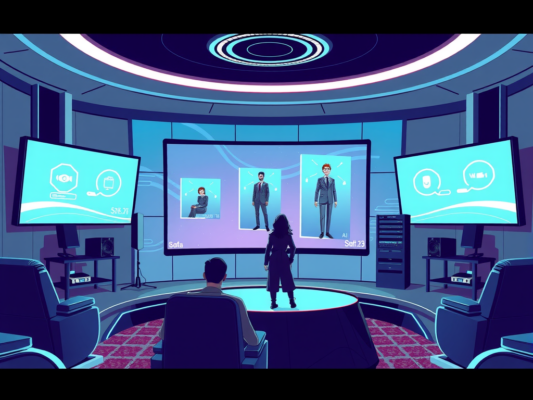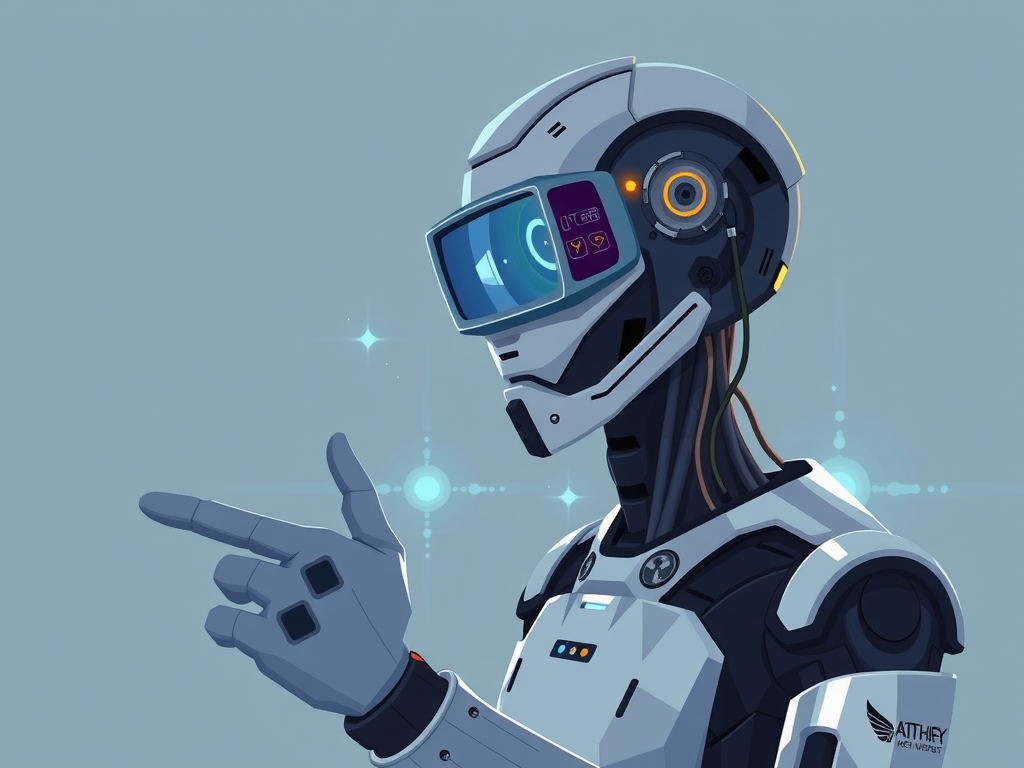
Ever wondered how AI is used to create realistic training simulations? By harnessing the power of artificial intelligence, developers can generate immersive and lifelike scenarios that help users sharpen their skills in a virtual environment. From flight simulators to medical training programs, AI enables the creation of dynamic experiences that mimic real-world situations with remarkable accuracy.
Through a combination of machine learning algorithms and sophisticated software, AI adapts to user interactions and provides personalized feedback in training simulations. This not only enhances the learning process but also makes it more engaging and effective. In this article, we will delve into the fascinating world of AI-driven training simulations and explore the groundbreaking technologies that are revolutionizing the way we learn and develop new skills. Stay tuned to discover how AI is shaping the future of training and education!
Table of contents
Enhancing Training Simulations with AI Technology
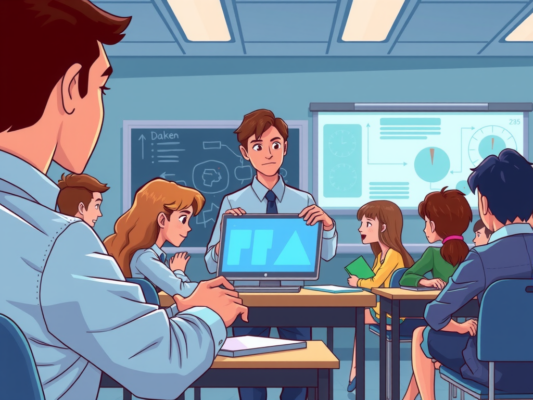
Training simulations have long been used to help individuals practice skills in a controlled environment. With the advancement of AI technology, these simulations have become even more realistic and effective. AI is being used to create dynamic and interactive scenarios that mimic real-life situations, providing users with a more immersive learning experience. This technology allows for personalized feedback and adaptive learning paths, making the training process more engaging and effective for users.

AI technology enhances training simulations by:
– Creating realistic scenarios: AI algorithms can generate lifelike environments and scenarios that closely resemble real-world situations, allowing users to practice skills in a more authentic setting.
– Providing personalized feedback: AI can analyze user performance in real-time and provide tailored feedback to help individuals improve their skills and knowledge.
– Facilitating adaptive learning: AI algorithms can adjust the difficulty level of simulations based on user performance, ensuring that individuals are challenged at the right level to maximize learning outcomes.
In conclusion, AI technology is revolutionizing the way training simulations are created and utilized. By harnessing the power of AI, organizations can provide more engaging and effective training experiences for their employees, ultimately leading to improved performance and better outcomes.
Revolutionizing Realistic Training Simulations with AI
Artificial Intelligence (AI) is transforming the way realistic training simulations are created. By harnessing the power of AI, developers can now design training scenarios that closely mimic real-life situations, providing a more immersive and effective learning experience for users. One of the key ways AI is revolutionizing training simulations is through its ability to generate dynamic and adaptive content in real-time. This means that simulations can adjust and respond to user actions, making the training experience more personalized and engaging. Additionally, AI can analyze user behavior and performance data to provide targeted feedback and recommendations, helping users improve their skills more efficiently.
AI-Powered Solutions for Realistic Training Simulations
AI-powered solutions are revolutionizing the way realistic training simulations are created. By harnessing the power of artificial intelligence, developers can generate immersive and dynamic scenarios that mimic real-world situations with unprecedented accuracy. These simulations offer a safe and cost-effective environment for individuals to practice and refine their skills in various fields, such as healthcare, aviation, and military training.
One key application of AI in creating realistic training simulations is the use of machine learning algorithms to analyze vast amounts of data and generate lifelike scenarios. By analyzing real-world data, AI can simulate complex interactions and behaviors that closely resemble those encountered in actual training environments. This approach allows for the creation of highly realistic and customizable training programs tailored to the specific needs of individuals or organizations.
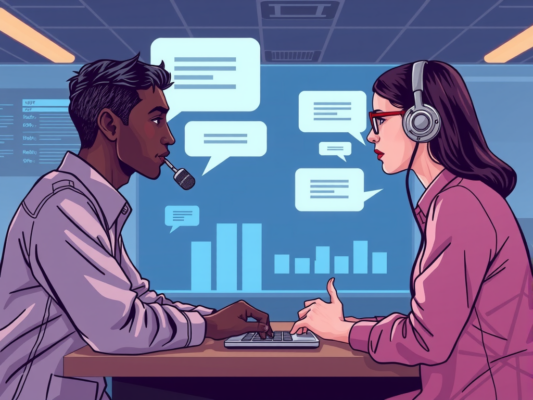
Another way AI is utilized in creating realistic training simulations is through the use of natural language processing (NLP) technology. NLP enables developers to create interactive scenarios where trainees can engage in realistic conversations with virtual characters. This fosters a more immersive and engaging learning experience, helping individuals develop their communication and problem-solving skills in a safe and controlled setting.
Moreover, AI-powered solutions can also enhance the adaptability and responsiveness of training simulations. By using advanced algorithms, developers can create simulations that adjust in real-time based on the actions and decisions of the trainee. This dynamic feedback loop allows for a more personalized and effective training experience, ensuring that individuals receive relevant and timely guidance to improve their skills.
In conclusion, AI-powered solutions are transforming the landscape of realistic training simulations by offering innovative and effective ways to create immersive learning experiences. By leveraging the capabilities of artificial intelligence, developers can craft highly realistic and customizable scenarios that help individuals enhance their skills and knowledge in a safe and engaging environment. The integration of AI in training simulations holds great promise for the future of learning and development in various industries.
Frequently Asked Question
How AI Is Used to Create Realistic Training Simulations
Artificial intelligence (AI) is revolutionizing the way training simulations are created by using algorithms to analyze data and mimic human behavior. By incorporating AI technology into simulation software, developers can achieve a higher level of realism and interactivity in training scenarios. This allows trainees to practice in a virtual environment that closely resembles real-life situations, leading to better retention and application of knowledge.
The Benefits of Using AI in Training Simulations
Utilizing AI in training simulations offers several advantages, such as personalized learning experiences, instant feedback, and adaptive difficulty levels. AI can analyze trainee performance in real-time and adjust the simulation accordingly to provide a tailored learning experience. This dynamic approach enhances engagement and ensures that trainees are challenged at the appropriate level, leading to more effective training outcomes.
Enhancing Training Effectiveness with AI
By harnessing the power of AI, training simulations can be made more engaging and effective. AI algorithms can simulate various scenarios, respond to trainee actions, and provide realistic feedback. This immersive learning experience helps trainees develop critical skills and decision-making abilities in a risk-free environment. Additionally, AI can track trainee progress and performance metrics, allowing organizations to evaluate the effectiveness of their training programs.
Future Trends in AI-Powered Training Simulations
As technology continues to advance, the future of AI-powered training simulations looks promising. Developers are exploring new ways to incorporate machine learning, natural language processing, and virtual reality into training simulations to further enhance realism and interactivity. With ongoing advancements in AI technology, training simulations will continue to evolve, providing organizations with innovative tools to improve employee training and development.
Conclusion
In conclusion, AI technology is revolutionizing the way realistic training simulations are created. By using algorithms that mimic human thought processes, these simulations can provide a more immersive and effective training experience. With AI, training programs can be tailored to individual needs and continuously improved over time. The future of training simulations looks promising as AI continues to advance and enhance the learning experience for users.