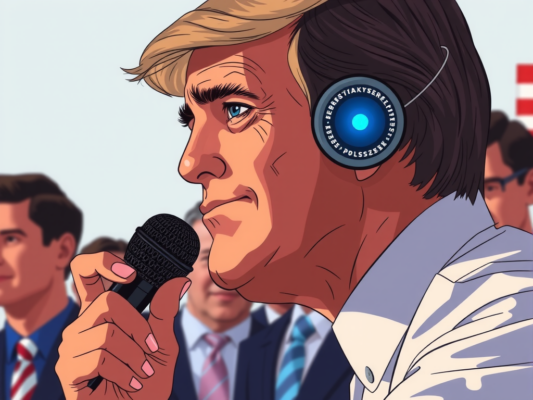
As technology continues to advance, the use of AI video in political campaigns has become a topic of ethical debate. The ability to create realistic videos of politicians saying things they never actually said raises concerns about misinformation and manipulation. While some argue that AI video can be a powerful tool for engagement and communication, others worry about its potential to deceive voters and erode trust in the political process.
The ethical implications of using AI video in political campaigns are multifaceted and complex. It is essential for policymakers, tech companies, and the public to carefully consider the impact of this technology on democracy and transparency. In this article, we will explore the various ethical dilemmas surrounding the use of AI video in political campaigns and discuss potential strategies for ensuring ethical use in the future. Stay tuned to learn more about the ethical considerations of this emerging technology.
Table of contents
The Ethical Considerations of AI Video Usage in Political Campaigns
The use of AI video in political campaigns raises important ethical considerations that must be carefully examined. One of the key issues is the potential for misinformation and manipulation. AI technology can be used to create deepfake videos that are incredibly realistic and difficult to distinguish from real footage. This raises concerns about the spread of false information and the impact it can have on public perception and decision-making. Additionally, there are concerns about the invasion of privacy and consent of individuals who may be featured in these AI-created videos without their knowledge or approval.

Another ethical consideration is the potential for bias in AI algorithms. AI technology relies on data to learn and make decisions, and if this data is biased in any way, it can result in discriminatory outcomes. In the context of political campaigns, this could mean that certain groups or individuals are unfairly targeted or misrepresented in AI videos. It is essential to consider how AI algorithms are trained and the potential for unintended consequences.
Furthermore, there are questions about accountability and transparency when it comes to AI video usage in political campaigns. Who is responsible for the content created by AI technology, and how can individuals and organizations be held accountable for any harmful or misleading videos? It is crucial to establish clear guidelines and regulations to ensure that AI video usage is ethical and does not infringe on the rights of individuals or manipulate public opinion.
In conclusion, the ethical considerations of AI video usage in political campaigns are complex and multifaceted. It is essential to engage in thoughtful and critical discussions about the implications of using AI technology in this context and to consider the potential risks and consequences. By prioritizing ethical considerations and promoting transparency and accountability, we can ensure that AI video usage in political campaigns is conducted responsibly and with respect for democracy and the rights of individuals.
Exploring the Moral Implications of AI Video Technology in Political Advertising
As technology continues to advance at a rapid pace, the use of AI video in political campaigns has raised numerous ethical concerns. The ability to manipulate video content with artificial intelligence poses a threat to the integrity of political advertising and can have far-reaching consequences on public perception and trust. It is essential to explore the moral implications of using AI video technology in political advertising to ensure transparency and accountability in the electoral process.
One of the main concerns surrounding AI video technology in political campaigns is the potential for misinformation and disinformation. With the ability to create highly realistic videos that can be easily altered or manipulated, there is a risk of spreading false or misleading information to the public. This can have serious implications for the democratic process and undermine the credibility of political candidates and parties.
Furthermore, the use of AI video technology raises questions about privacy and consent. If individuals' faces or voices are used in campaign videos without their knowledge or permission, it can violate their privacy rights and raise ethical concerns about consent and autonomy. Political campaigns must be transparent about the use of AI video technology and ensure that all individuals involved have given their informed consent.
Understanding the Ethical Boundaries of AI Video Implementation in Political Messaging
As technology continues to advance, the use of AI video in political campaigns has become a topic of ethical debate. While AI can be a powerful tool for creating engaging and persuasive content, it also raises important questions about authenticity and transparency in political messaging. Understanding the ethical boundaries of AI video implementation is crucial to maintaining trust and integrity in political discourse.
One of the key ethical considerations when using AI video in political campaigns is the potential for manipulation and misinformation. AI technology can be used to create highly realistic videos that can be difficult to distinguish from reality. This raises concerns about the potential for deepfakes, where AI-generated content is used to deceive and manipulate viewers.
Another important ethical consideration is the impact of AI video on the democratic process. By using AI to create targeted and personalized political messages, campaigns may be able to manipulate public opinion and influence election outcomes. This raises questions about the fairness and transparency of political communication in the digital age.
Frequently Asked Question
Is it ethical to use AI video in political campaigns?
Using AI video in political campaigns raises ethical concerns about the authenticity and manipulation of information. While AI technology can be used to create convincing videos, there is a risk of spreading misinformation and deceiving the public. The ethical implications of using AI video in political campaigns must be carefully considered to maintain trust and transparency in the political process.
What are the implications of using AI video in political campaigns?
The implications of using AI video in political campaigns include the potential for manipulation of information, the erosion of trust in political leaders, and the spread of misinformation. By using AI technology to create videos, political campaigns may be able to manipulate public perception and influence election outcomes. It is crucial to consider these implications and the impact of AI video on the democratic process.
How can we ensure ethical use of AI video in political campaigns?
To ensure ethical use of AI video in political campaigns, transparency and accountability are essential. Political candidates and organizations should disclose any use of AI technology in creating videos and provide context to viewers. Additionally, regulations and guidelines can be put in place to govern the use of AI video in political campaigns and prevent the spread of misinformation. It is important to prioritize ethics and integrity in the use of AI technology in political communication.
Conclusion
In conclusion, the use of AI video in political campaigns raises ethical concerns about potential manipulation and deception. While these technologies can enhance communication and engagement with voters, there is a fine line between informative content and misleading information. It is important for political campaigns to prioritize transparency and honesty in their use of AI video to maintain the trust of the public. The ethical implications of using AI video in political campaigns should be carefully considered to ensure a fair and democratic electoral process.