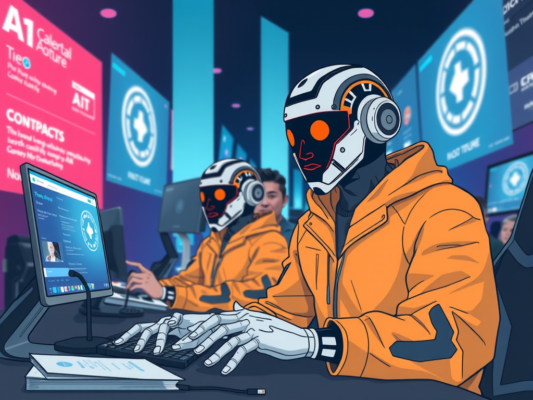
Are you curious about how artificial intelligence is revolutionizing the world of politics, especially when it comes to engaging with Gen Z voters? In today's digital age, personalized ads powered by AI have become a game-changer for political campaigns looking to connect with younger audiences. By tailoring content based on individual preferences and behaviors, these ads can effectively capture the attention of Gen Z voters and drive engagement like never before.
But how exactly does AI make this possible? Stay tuned as we delve into the fascinating world of AI in politics and explore how personalized ads are shaping the future of voter outreach. Discover the strategies and technologies behind this innovative approach and learn how it is redefining the way political messages are delivered to Gen Z voters. Don't miss out on this insightful look into the intersection of AI and politics – read on to uncover the secrets of personalized ads that appeal to the next generation of voters.
Table of contents
Utilizing AI for Targeted Campaigns in Gen Z Politics
Utilizing AI for targeted campaigns in Gen Z politics is becoming increasingly important in today's digital age. With the rise of personalized advertising, political parties are using artificial intelligence to tailor their messages to appeal to younger voters. AI algorithms analyze data on Gen Z voters' preferences, behaviors, and interests to create personalized ads that resonate with this demographic. This targeted approach allows political campaigns to reach and engage with Gen Z voters more effectively than ever before. By leveraging AI technology, political parties can craft messages that are more relevant and impactful, ultimately influencing Gen Z voters' decision-making process.

AI-Powered Strategies to Engage Gen Z Voters in Politics
Engaging Gen Z voters in politics requires innovative strategies that resonate with this tech-savvy generation. AI-powered tools can play a crucial role in reaching out to young voters and driving meaningful engagement. Here are some effective AI-powered strategies to connect with Gen Z voters:
– Personalized messaging: AI algorithms can analyze data to create personalized ads that appeal to the unique interests and values of Gen Z voters. By tailoring messages to individual preferences, political campaigns can capture the attention of young voters and inspire them to take action.
– Social media targeting: Gen Z voters are active on social media platforms, making them a prime target for political campaigns. AI tools can analyze social media data to identify key influencers and trends among young voters, allowing campaigns to craft targeted messages that resonate with this demographic.
– Chatbots for voter education: AI-powered chatbots can provide instant answers to voter queries, helping to educate Gen Z voters about important political issues and encouraging them to participate in the democratic process. By leveraging chatbots, political campaigns can engage with young voters in a conversational and accessible way.
Maximizing Impact: AI-Driven Personalized Ads for Gen Z in Politics
Maximizing Impact: AI-Driven Personalized Ads for Gen Z in Politics
In today's digital age, utilizing AI-driven personalized ads has become essential in reaching and engaging Gen Z voters. With the rise of social media and online platforms as primary sources of information, political campaigns must adapt their strategies to effectively connect with this tech-savvy generation. By leveraging AI technology, campaigns can tailor their messaging and content to resonate with Gen Z voters on a personal level, increasing the impact of their political ads.
These personalized ads can be designed to speak directly to the values, interests, and concerns of Gen Z voters, making them more likely to pay attention and engage with the content. AI algorithms can analyze vast amounts of data to understand the preferences and behaviors of this demographic, allowing campaigns to create targeted ads that are relevant and compelling. This level of personalization not only captures the attention of Gen Z voters but also builds trust and credibility, leading to a more effective political campaign overall.
In addition to personalized messaging, AI-driven ads can also optimize the timing and placement of political content to maximize engagement among Gen Z voters. By analyzing data on when and where this demographic is most active online, campaigns can ensure that their ads are seen by the right audience at the right time. This strategic approach can significantly increase the reach and impact of political campaigns, helping them connect with Gen Z voters in a meaningful way.
Overall, the integration of AI technology into political advertising offers a powerful tool for maximizing the impact of campaigns targeting Gen Z voters. By delivering personalized, targeted ads that are tailored to the preferences and behaviors of this demographic, campaigns can effectively engage with Gen Z voters on a personal level, ultimately influencing their political decisions and driving voter turnout. With the power of AI-driven personalized ads, political campaigns can make a lasting impression on Gen Z voters and shape the future of politics.
Frequently Asked Question
How can AI be used in Politics to create personalized ads for Gen Z voters?
In the realm of politics, artificial intelligence is being utilized to analyze vast amounts of data on Gen Z voters in order to create personalized ads that cater to their specific interests and beliefs. By using AI algorithms, political campaigns can target these younger voters with relevant messaging that is more likely to resonate with them and ultimately sway their vote.
What advantages do personalized ads offer in targeting Gen Z voters?
Personalized ads that are tailored to the preferences and values of Gen Z voters have the advantage of being more engaging and relevant to this demographic. By using AI to analyze data on these voters, political campaigns can craft messages that are more likely to capture their attention and inspire them to take action.
Are there any concerns about using AI in Politics to target Gen Z voters with personalized ads?
While the use of AI to create personalized ads for Gen Z voters can be an effective strategy, there are concerns about privacy and ethics surrounding the collection and use of personal data. Critics worry that this technology could be used to manipulate or deceive voters, raising questions about the transparency and accountability of political campaigns.
How can political campaigns ensure transparency and accountability when using AI for personalized ads targeting Gen Z voters?
It is essential for political campaigns to be transparent about how they are using AI technology to create personalized ads for Gen Z voters. This includes disclosing the sources of data used, the algorithms employed, and the purpose of the ads. Additionally, campaigns should be accountable for adhering to ethical standards and respecting the privacy of voters.
Conclusion
In conclusion, AI technology in politics is becoming increasingly prevalent, particularly when it comes to personalized ads that target Gen Z voters. By utilizing AI algorithms to create tailored content that appeals to the preferences and interests of younger demographics, political campaigns are able to effectively engage with this key voting bloc. While the use of AI may blur the lines between human and machine-generated content, the ultimate goal remains the same: to connect with voters in a meaningful way and ultimately secure their support. As technology continues to advance, it is crucial for political campaigns to strike a balance between utilizing AI tools and maintaining an authentic human touch in their messaging.