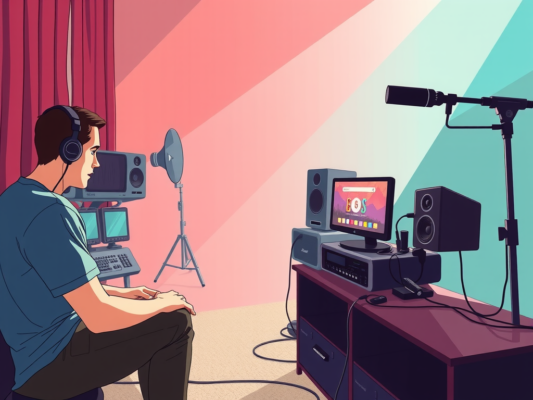
As a multimedia production expert, you understand how crucial lighting is in creating high-quality content. Lighting plays a key role in setting the mood, highlighting important details, and capturing the audience's attention. Without proper lighting, even the most well-planned multimedia project can fall flat. In this article, we will delve into the importance of lighting in multimedia production and how it can make or break the final product.
Good lighting not only enhances the visual appeal of multimedia content but also improves the overall viewing experience. From videos to photos, lighting can make a significant difference in how the audience perceives the message. Whether you're shooting a commercial, producing a podcast, or creating a social media post, understanding the importance of lighting is essential for delivering a polished and professional result. Stay tuned as we explore the impact of lighting in multimedia production and share valuable tips for achieving optimal results.
Enhancing Visual Impact: The Role of Lighting in Multimedia Production
Lighting plays a crucial role in multimedia production, significantly impacting the visual appeal of the final product. By carefully manipulating light sources, multimedia creators can enhance the overall quality of their work and effectively convey their message to the audience. Whether it's a film, a website, a presentation, or a video game, the right lighting can make a significant difference in how the content is perceived and experienced by the viewer.

Proper lighting can help set the mood and tone of a multimedia project, creating the desired atmosphere and evoking specific emotions in the audience. It can also highlight key elements, draw attention to important details, and direct the viewer's focus where it's needed. In essence, lighting is a powerful tool that can be used to enhance the visual impact of multimedia content and elevate its overall quality.
In addition to aesthetics, lighting also plays a practical role in multimedia production. It can help improve visibility, clarity, and overall production quality, ensuring that the final product looks polished and professional. By paying attention to lighting techniques and principles, multimedia creators can achieve a more cohesive and visually appealing result that resonates with their target audience. Overall, the importance of lighting in multimedia production cannot be overstated, as it has the potential to make or break the success of a project.
Creating Cinematic Magic: Importance of Lighting in Multimedia Projects
Lighting plays a crucial role in creating cinematic magic in multimedia projects. It is not just about illuminating a scene, but about setting the mood, enhancing visuals, and evoking emotions. Good lighting can transform a mediocre project into something extraordinary, capturing the audience's attention and drawing them into the story being told. Without proper lighting, even the most well-crafted scenes can fall flat, lacking depth and dimension.
In multimedia production, lighting is essential for several reasons:
– It helps to create the desired atmosphere and tone for the project
– It highlights important elements within a scene and guides the viewer's focus
– It adds depth and dimension to visuals, making them more visually appealing
– It can convey emotions and enhance storytelling, adding layers of meaning to the project
Overall, lighting is a powerful tool that should not be underestimated in multimedia production. It can make or break a project, so it is essential to pay careful attention to the lighting setup and design to ensure the best possible outcome. By understanding the importance of lighting and how to use it effectively, creators can elevate their multimedia projects to new heights.
Illuminate Your Story: How Lighting Transforms Multimedia Production
When it comes to multimedia production, lighting plays a crucial role in setting the tone and creating visual impact. The right lighting can transform a dull scene into a captivating one, turning an ordinary story into an extraordinary experience. From enhancing mood and atmosphere to highlighting key elements, lighting is a powerful tool that can elevate the overall quality of a production.
By illuminating your story with strategic lighting techniques, you can effectively convey emotions, create depth, and draw the viewer's attention to important details. Whether you're shooting a video, capturing photographs, or designing graphic elements, lighting can make all the difference in how your content is perceived and received by your audience. It's not just about making things brighter; it's about using light creatively to enhance the storytelling process.
Frequently Asked Question
The Importance of Lighting in Multimedia Production
Lighting plays a crucial role in multimedia production as it can significantly impact the overall quality of the final product. Proper lighting ensures that the subjects are well-lit, colors are accurately represented, and the mood of the scene is effectively conveyed. Lighting also helps in creating depth and dimension in the visuals, making them more engaging and visually appealing to the audience.
How Does Lighting Affect Multimedia Production?
The right lighting setup can make a world of difference in multimedia production. It can enhance the clarity of the visuals, improve the overall composition of the shots, and create a more professional look. Lighting can also be used to evoke emotions, set the tone of the scene, and guide the viewer's focus to key elements in the frame.
What Are Some Common Lighting Techniques Used in Multimedia Production?
Some common lighting techniques used in multimedia production include three-point lighting, natural lighting, and colored lighting. Three-point lighting involves using a key light, fill light, and backlight to illuminate the subject from different angles. Natural lighting utilizes sunlight or ambient light sources for a more realistic look. Colored lighting can be used to create a specific mood or atmosphere in the scene. Lighting techniques are essential for achieving the desired aesthetic and visual impact in multimedia production.
How Can Poor Lighting Affect Multimedia Production?
Poor lighting can have a negative impact on multimedia production by causing issues such as harsh shadows, overexposure, or underexposure. This can result in poor image quality, distracting visuals, and an unprofessional appearance. Poor lighting can also make it difficult to convey the intended message or emotion in the scene, ultimately affecting the overall effectiveness of the multimedia content.
Why Should Lighting Be a Priority in Multimedia Production?
Lighting should be a priority in multimedia production because it can make or break the final product. Good lighting enhances the visual appeal, improves the quality of the content, and helps in effectively communicating the message to the audience. Proper lighting can elevate the production value and overall impact of multimedia projects, making them more engaging and memorable for viewers.
Conclusion
Lighting plays a crucial role in multimedia production as it can greatly impact the overall quality of the final product. Proper lighting can enhance the mood, highlight important elements, and create a visually appealing aesthetic. Without adequate lighting, the production may appear dull, flat, and unprofessional. Therefore, it is important to pay attention to lighting techniques and ensure that the set is well-lit to achieve the desired results in multimedia production.