Are you struggling to create engaging and professional online course videos? Editing plays a crucial role in ensuring your content is polished and effective. In this article, we will discuss the best practices for editing online course videos, providing you with valuable tips and techniques to enhance the quality of your content. From trimming and cutting footage to adding overlays and transitions, we will cover everything you need to know to create compelling videos that keep your audience engaged and informed.
When it comes to editing online course videos, attention to detail is key. By following the best practices outlined in this article, you can take your content to the next level and provide a more enjoyable learning experience for your viewers. So, whether you're a seasoned video editor or just getting started, read on to discover how you can improve the quality of your online course videos and create content that stands out from the competition.
Enhance Your Online Course Videos with These Editing Best Practices
Are you looking for ways to make your online course videos more engaging and professional? Editing plays a crucial role in enhancing the quality of your content and keeping your viewers interested. With the right editing techniques, you can create videos that are informative, visually appealing, and easy to follow. Here are some best practices to help you elevate your online course videos:

– Start by organizing your footage before you begin editing. This will help you save time and ensure a smooth editing process.
– Use a consistent style and branding throughout your videos to maintain a cohesive look and feel.
– Keep your videos concise and to the point to hold your viewers' attention and deliver information effectively.
– Incorporate visual elements such as graphics, animations, and text overlays to emphasize key points and make your content more engaging.
– Pay attention to audio quality and make sure that your voiceovers are clear and easy to understand.
By following these editing best practices, you can create online course videos that stand out and keep your audience coming back for more.
Boost Engagement: Top Tips for Editing Your Online Course Videos
Video editing is a crucial aspect of creating engaging online course content. By following some key practices, you can ensure that your videos are not only informative but also visually appealing. One important tip for editing online course videos is to keep them concise and to the point. Long, rambling videos can quickly lose the viewer's interest. Instead, focus on delivering your content in a clear and concise manner, keeping the viewer engaged from start to finish.
Another essential aspect of video editing for online courses is to pay attention to the pacing of your videos. Make sure that your videos flow smoothly from one point to the next, avoiding any abrupt transitions or long pauses. This will help keep your viewers engaged and interested in the content you are presenting. Additionally, be sure to include relevant visuals, such as graphics or animations, to help illustrate your points and keep the viewer's attention.
When editing your online course videos, it is also important to pay attention to the audio quality. Make sure that your voice is clear and easy to understand, and that any background music or sound effects are not overpowering. Poor audio quality can quickly turn viewers off and detract from the overall effectiveness of your course content. By taking the time to ensure that your audio is top-notch, you can greatly enhance the viewer's experience.
In conclusion, by following these best practices for editing online course videos, you can boost engagement and create content that is both informative and visually appealing. Keep your videos concise, pay attention to pacing, include relevant visuals, and ensure high-quality audio to keep your viewers engaged and interested in your course content. By putting in the effort to edit your videos effectively, you can create a more enjoyable and effective learning experience for your audience.
Maximize Impact: Best Editing Practices for Online Course Videos
In the world of online learning, video content has become increasingly popular for delivering course material. However, simply recording a lecture or tutorial is not enough to engage students and ensure they retain the information. Editing plays a crucial role in maximizing the impact of online course videos. Here are some best practices to follow when editing your videos:
– Keep it concise: Students have limited attention spans, so it's important to trim any unnecessary content and keep your videos focused on the key points.
– Use visuals: Incorporating graphics, animations, and other visual aids can help clarify concepts and make the content more engaging for students.
– Enhance audio quality: Poor audio can distract viewers and make it difficult to understand the material. Invest in a good microphone and ensure the audio is clear and easy to follow.
– Add captions: Including captions in your videos can make the content more accessible to students with hearing impairments or those who prefer to watch videos without sound.
– Maintain a consistent style: Use the same fonts, colors, and graphics throughout your videos to create a cohesive look and feel.
By following these editing best practices, you can create online course videos that are engaging, informative, and effective in helping students learn. Remember, editing is not just about cutting out mistakes—it's about enhancing the content to make it as impactful as possible.
Frequently Asked Question
Why is editing online course videos important?
Editing online course videos is important because it helps improve engagement and retention among students. By editing out unnecessary content, adding visual aids, and improving audio quality, you can make your online course more engaging and professional. This can lead to better learning outcomes and higher student satisfaction.
What are some best practices for editing online course videos?
Some best practices for editing online course videos include keeping videos short and concise, adding captions for accessibility, using high-quality visuals and graphics, and ensuring consistent audio levels throughout the video. It's also important to test your videos before publishing them to ensure a smooth viewing experience for students.
How can editing online course videos improve student engagement?
Editing online course videos can improve student engagement by making the content more engaging and visually appealing. By editing out distractions, adding relevant visuals, and improving audio quality, students are more likely to stay focused and interested in the material being presented.
What tools are recommended for editing online course videos?
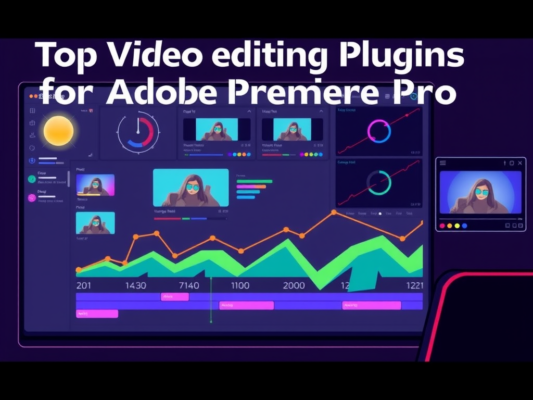
Some recommended tools for editing online course videos include Adobe Premiere Pro, Final Cut Pro, Camtasia, and iMovie. These tools offer a wide range of editing features, such as cutting and trimming footage, adding transitions, and incorporating visual effects to enhance the overall video quality.
Conclusion
In conclusion, when editing online course videos, it is important to write in a style that is natural and human-like. This helps keep the content engaging and easy to understand for viewers. By focusing on simplicity and using easy words, you can create a video that is both informative and enjoyable to watch. Remember to consider perplexity and burstiness when creating content, ensuring that your videos are both engaging and specific to the topic at hand. By following these best practices, you can create high-quality online course videos that effectively communicate your message to viewers.