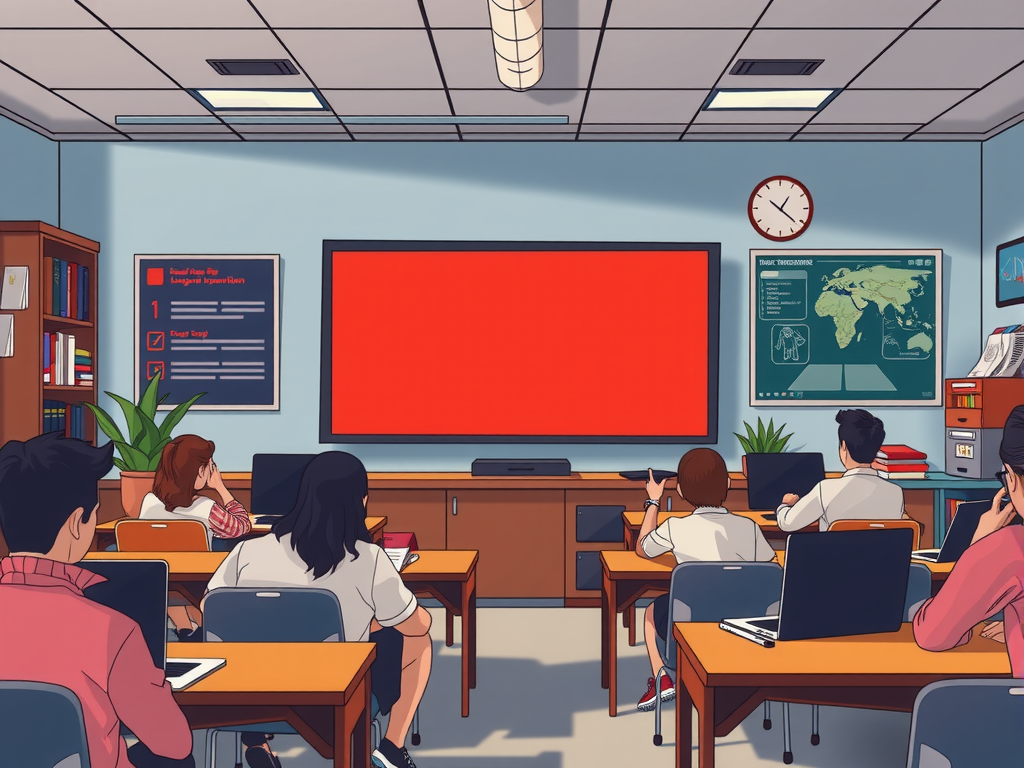
Are you looking to enhance the learning experience for students in your school? Creating multimedia learning modules can be a great way to engage students and make learning more interactive. From videos and animations to interactive quizzes and games, multimedia elements can help students better understand and retain information. In this article, we will explore how to create effective multimedia learning modules for schools that will benefit both teachers and students.
By incorporating multimedia elements into your lessons, you can cater to different learning styles and make complex concepts easier to grasp. Whether you are a teacher looking to spice up your curriculum or an administrator seeking innovative teaching methods, creating multimedia learning modules can make a significant impact on student engagement and performance. Read on to discover practical tips and best practices for developing multimedia learning modules that will captivate your students and enhance their learning experience.
Table of contents
Enhancing Education: Creating Interactive Multimedia Modules for Schools
In today's digital world, education is evolving rapidly, and the use of multimedia learning modules has become increasingly popular in schools. These interactive modules not only engage students but also enhance their overall learning experience. By incorporating a variety of multimedia elements such as videos, animations, audio clips, and interactive quizzes, educators can create a dynamic and immersive learning environment for their students.

Enhancing Education: Creating Interactive Multimedia Modules for Schools
Engage Students with Multimedia Learning Modules in the Classroom
Are you looking for a way to make learning more interactive and engaging for your students? Look no further than multimedia learning modules! By incorporating videos, audio clips, interactive activities, and other multimedia elements into your lesson plans, you can create a dynamic learning experience that will captivate your students' attention and help them retain information more effectively.
Engaging students with multimedia learning modules in the classroom is a great way to cater to different learning styles and keep students motivated and interested in the material being presented. Whether you're teaching a complex concept, reviewing important information, or introducing new material, multimedia elements can help bring the material to life and make it more relatable and understandable to students.
Incorporating multimedia learning modules into your lesson plans can also help students develop important skills such as critical thinking, problem-solving, creativity, and collaboration. By providing students with a variety of multimedia resources to engage with, you can encourage them to explore different perspectives, think critically about the material, and work together to solve problems and complete tasks.
Overall, multimedia learning modules can be a valuable tool for creating a more interactive and engaging learning environment in the classroom. By incorporating multimedia elements into your lesson plans, you can help students stay engaged, retain information more effectively, and develop important skills that will benefit them both in and out of the classroom. So why not give multimedia learning modules a try in your next lesson? Your students are sure to thank you for it!
Transforming Traditional Teaching: Tips for Developing Multimedia Modules
Transforming traditional teaching into engaging multimedia modules can revolutionize the learning experience for students. By incorporating videos, images, interactive quizzes, and other multimedia elements, educators can create dynamic and interactive lessons that cater to different learning styles. To develop effective multimedia modules for schools, here are some tips to keep in mind:
– Start by identifying learning objectives: Before diving into creating multimedia content, it's essential to outline the specific goals and objectives of the module. This will help ensure that the content is aligned with the curriculum and serves a clear purpose in enhancing student learning.
– Keep it interactive: Incorporate interactive elements such as quizzes, games, and simulations to keep students engaged and actively involved in the learning process. This can help improve retention and comprehension of the material.
– Use a variety of media: Mix things up by including a variety of media types, such as videos, animations, infographics, and audio clips. This will cater to different learning preferences and make the content more engaging and visually appealing.
– Keep it concise and focused: Avoid overwhelming students with too much information. Keep the content concise, focused, and to the point to ensure that students can easily digest and retain the information presented.
By following these tips and incorporating multimedia elements effectively, educators can create engaging and effective learning modules that enhance student learning and engagement in the classroom.
Frequently Asked Question
Creating Multimedia Learning Modules for Schools
When creating multimedia learning modules for schools, it is important to consider the various types of multimedia that can be incorporated, such as videos, audio recordings, interactive quizzes, and animations. Using multimedia can help engage students and enhance their learning experience by providing a more interactive and dynamic environment.
Benefits of Multimedia Learning Modules
One of the main benefits of using multimedia learning modules in schools is that they can cater to different learning styles. Visual learners, auditory learners, and kinesthetic learners can all benefit from multimedia elements that appeal to their preferred learning style. Additionally, multimedia can make complex concepts easier to understand and remember.
Steps to Create Effective Multimedia Learning Modules
When creating multimedia learning modules, it is important to start by identifying the learning objectives and content that needs to be covered. Storyboarding can help organize the content and sequence of the module, while also ensuring that the learning objectives are met. It is also important to consider the technical aspects, such as the software and equipment needed to create the multimedia elements.
Best Practices for Implementing Multimedia Learning Modules
When implementing multimedia learning modules in schools, it is important to provide proper training for teachers on how to use the modules effectively. Regular assessment and feedback from students can also help improve the modules over time. It is also important to ensure that the modules are accessible to all students, including those with disabilities.
Conclusion
Creating multimedia learning modules for schools is a great way to engage students and enhance their learning experience. By incorporating a variety of multimedia elements, such as videos, graphics, and interactive activities, educators can create dynamic and interactive lessons that cater to different learning styles. These modules can help students better understand and retain information, making learning more enjoyable and effective. By following the tips outlined in this post, educators can create engaging and effective multimedia learning modules that will benefit their students.