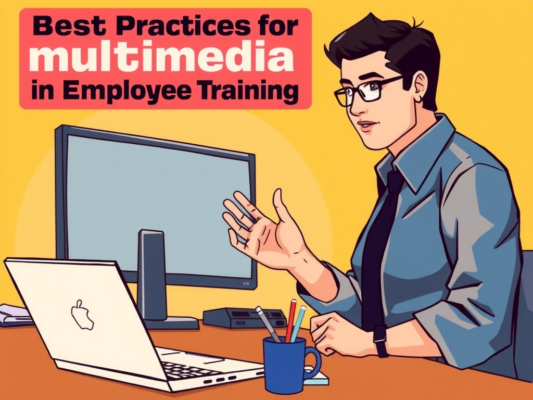
Are you looking to enhance your healthcare training program with multimedia content? Look no further! In this article, we will explore the best practices for incorporating multimedia into your healthcare training curriculum. From engaging videos to interactive simulations, we will discuss how to create effective and engaging multimedia content that will keep your learners motivated and informed.
By utilizing multimedia in healthcare training, you can create a more dynamic and interactive learning experience for your students. Whether you are teaching complex medical procedures or training staff on new protocols, multimedia can help to reinforce key concepts and improve retention rates. Stay tuned to learn more about the benefits of multimedia in healthcare training and how you can implement these best practices in your own training program. Let's dive in!
Enhancing Healthcare Training with Multimedia
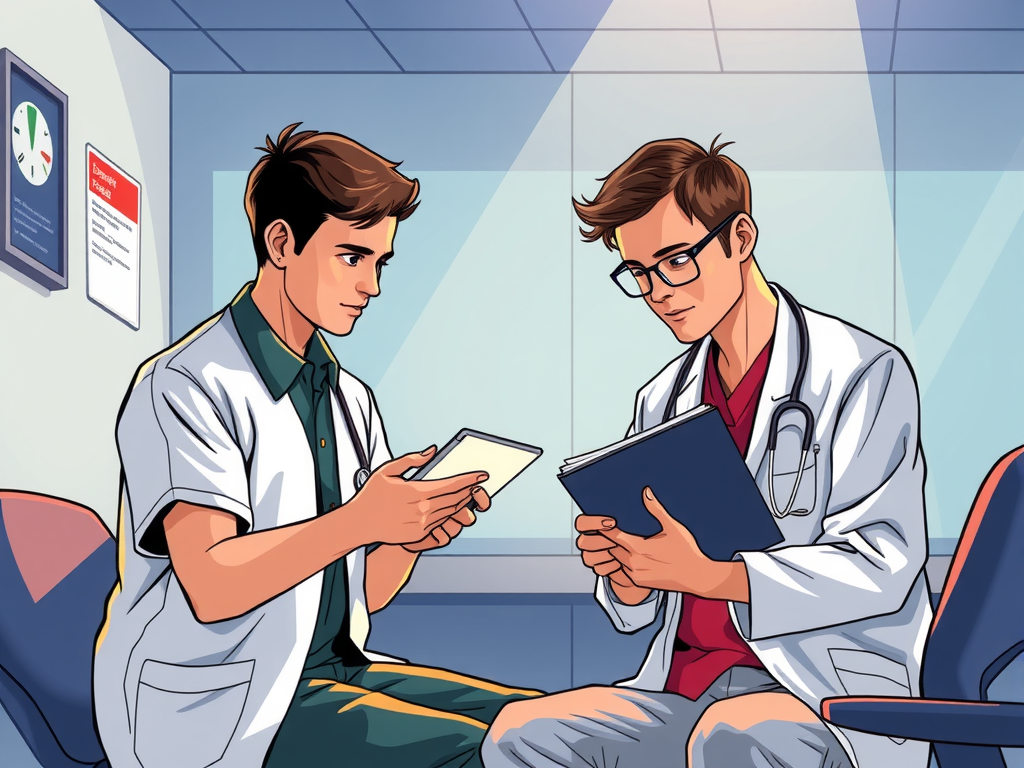
Enhancing healthcare training with multimedia can greatly improve the learning experience for medical professionals. By incorporating videos, animations, and interactive simulations, trainees can engage with the material in a more dynamic and memorable way. This not only increases retention of information but also allows for hands-on practice in a safe, controlled environment.

One of the key benefits of using multimedia in healthcare training is the ability to cater to different learning styles. Visual learners may benefit from watching instructional videos, while kinesthetic learners can practice skills through interactive simulations. This versatility ensures that all trainees can effectively absorb and apply the knowledge being taught.
Furthermore, multimedia can help to simplify complex medical concepts by breaking them down into digestible chunks. By using visuals and animations, intricate procedures or diseases can be explained in a way that is easy to understand. This can help trainees grasp difficult concepts more quickly and effectively.
Effective Strategies for Multimedia in Healthcare Education
In today's fast-paced healthcare industry, effective strategies for multimedia in healthcare education are essential for preparing healthcare professionals for the ever-evolving landscape of patient care. One key strategy is the use of interactive videos, which allow learners to engage with content in a more dynamic way. These videos can simulate real-life scenarios, making the learning experience more immersive and engaging. Another effective strategy is the use of online modules, which allow learners to access training materials at their own pace and convenience. This flexibility ensures that busy healthcare professionals can fit training into their schedules without disrupting patient care. Additionally, incorporating gamification elements into multimedia training can increase engagement and motivation, making the learning process more enjoyable and effective. By using a combination of these strategies, healthcare organizations can create engaging and effective multimedia training programs that equip their staff with the skills and knowledge they need to provide high-quality care.
Maximizing Learning Potential with Multimedia in Healthcare Training
In today's fast-paced healthcare industry, maximizing learning potential with multimedia in healthcare training is essential for keeping medical professionals up-to-date on the latest advancements and best practices. By incorporating a variety of multimedia elements such as videos, interactive modules, and simulations, training programs can engage learners and enhance their understanding of complex medical concepts.
Utilizing multimedia in healthcare training allows for a more interactive and immersive learning experience, making it easier for learners to retain information and apply it in real-world scenarios. Videos and animations can help visualize complex medical procedures, while interactive modules and simulations can provide hands-on practice and feedback for learners.
By incorporating multimedia elements in healthcare training programs, organizations can cater to different learning styles and preferences. Some individuals may learn best through visual aids, while others may prefer hands-on activities or auditory explanations. Multimedia allows for a more personalized learning experience, increasing engagement and knowledge retention among learners.
In conclusion, maximizing learning potential with multimedia in healthcare training is crucial for keeping medical professionals informed and skilled in an ever-evolving industry. By incorporating a variety of multimedia elements, training programs can create a more engaging and effective learning experience for healthcare professionals. With the right tools and resources, organizations can enhance their training programs and ultimately improve patient care outcomes.
Frequently Asked Question
What are the best practices for incorporating multimedia in healthcare training?
When it comes to healthcare training, incorporating multimedia can greatly enhance the learning experience for students. Interactive videos, simulations, and virtual reality are excellent tools to engage learners and provide hands-on experience. Additionally, utilizing animations and infographics can help simplify complex medical concepts and improve retention rates.
How can multimedia improve training effectiveness in healthcare?
By using multimedia in healthcare training, instructors can create a more engaging and interactive learning environment. This can lead to better knowledge retention and skill development among students. Multimedia also allows for personalized learning experiences, catering to the individual needs of each learner.
What are some tips for creating effective multimedia content for healthcare training?
When creating multimedia content for healthcare training, it's important to keep the learning objectives in mind. Use clear and concise language, avoid cluttered visuals, and ensure accessibility for all learners. Incorporating real-life scenarios and case studies can also help make the content more relatable and engaging.
How can healthcare institutions implement multimedia into their training programs?
Healthcare institutions can start by investing in the necessary technology and software to support multimedia learning. They can also provide training for instructors on how to effectively incorporate multimedia into their teaching. Additionally, creating a collaborative and supportive environment for both instructors and students can encourage the successful integration of multimedia into training programs.
Conclusion
In conclusion, incorporating multimedia in healthcare training is essential for effective learning and retention. By utilizing videos, interactive simulations, and other visual aids, trainees can better understand complex medical concepts and procedures. Providing a variety of multimedia resources can cater to different learning styles and enhance engagement in the training process. Ultimately, integrating multimedia into healthcare training programs can improve the quality of education and ultimately benefit patient care outcomes.