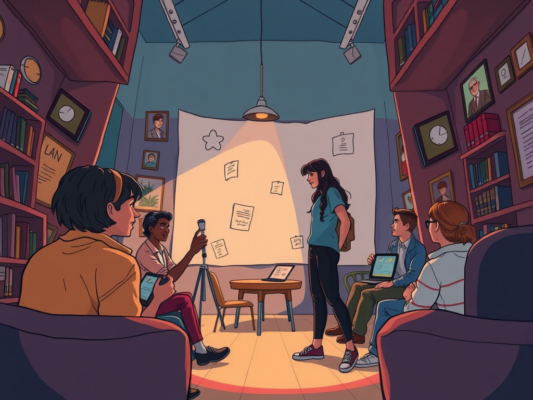
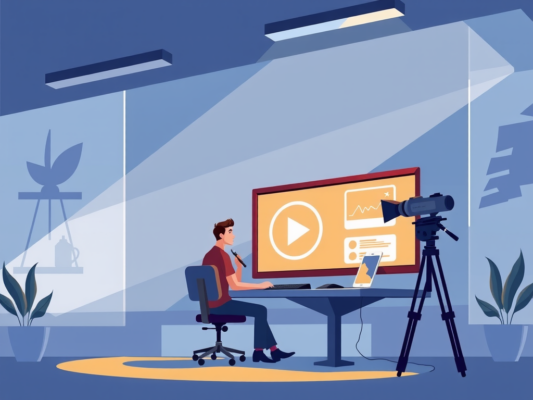
Are you looking to enhance the storytelling experience at your events? Incorporating multimedia elements can help captivate your audience and create a memorable experience. From videos and photos to interactive graphics and live streams, multimedia storytelling can take your event to the next level. By utilizing a combination of visual and interactive content, you can engage your attendees in a way that traditional methods cannot. In this article, we will explore the best practices for incorporating multimedia storytelling into your events, and how it can benefit your overall event strategy.
One of the key aspects of successful multimedia storytelling in events is creating a cohesive narrative that resonates with your audience. By strategically incorporating multimedia elements that complement your message, you can create a more immersive and engaging experience for attendees. From pre-event promotions to post-event recaps, utilizing multimedia storytelling can help you connect with your audience on a deeper level. In this article, we will discuss the importance of consistency and creativity in multimedia storytelling, and provide tips for incorporating these elements into your events. So, buckle up and get ready to take your event storytelling to the next level!
Enhancing Event Experiences through Multimedia Storytelling
In today's digital age, event experiences can be greatly enhanced through the use of multimedia storytelling. By incorporating various forms of multimedia such as videos, photos, and interactive elements, event organizers can create a more engaging and memorable experience for attendees. Multimedia storytelling allows for a more dynamic and immersive way to convey information, evoke emotions, and capture the essence of the event.

One of the key benefits of multimedia storytelling in events is its ability to appeal to different types of learners. While some attendees may prefer to read text, others may be more visually or auditory oriented. By incorporating multimedia elements, event organizers can cater to a wider audience and ensure that everyone is able to connect with the content in a way that resonates with them.
Additionally, multimedia storytelling can help to create a cohesive and compelling narrative that ties all aspects of the event together. By weaving together different forms of media, organizers can create a more immersive and engaging experience that keeps attendees captivated from start to finish. Whether it's through a compelling video montage, a series of interactive photos, or a live social media feed, multimedia storytelling can help to create a sense of unity and continuity throughout the event.
In conclusion, multimedia storytelling is a powerful tool that can be used to enhance event experiences and create lasting impressions on attendees. By incorporating various forms of media, event organizers can create a more engaging and immersive experience that appeals to a wide range of learning styles. From videos and photos to interactive elements, multimedia storytelling allows for a more dynamic and cohesive way to convey information, evoke emotions, and capture the essence of the event. So, don't miss out on the opportunity to enhance your next event through multimedia storytelling!
Tips for Creating Compelling Multimedia Content at Events
Are you looking to create captivating multimedia content at your next event? Here are some tips to help you engage your audience and tell a compelling story through visuals and videos. First and foremost, consider the theme and purpose of your event. This will guide you in selecting the right multimedia elements that align with your message and resonate with your audience.
Next, think about the platforms where your content will be shared. Whether it's social media, a website, or a presentation, tailor your multimedia content to fit the platform's specifications and requirements. This will ensure that your content looks polished and professional across all channels.
Additionally, plan ahead and create a storyboard or script for your multimedia content. This will help you stay organized and ensure that your message is clear and cohesive. Don't forget to include a call to action at the end of your content to encourage engagement and interaction from your audience.
Lastly, consider the technical aspects of creating multimedia content. Make sure you have the right equipment and software to produce high-quality visuals and videos. Test your content before the event to make sure everything looks and sounds perfect. By following these tips, you can create compelling multimedia content that will leave a lasting impression on your audience.
Maximizing Audience Engagement with Multimedia Storytelling Techniques
Maximizing audience engagement with multimedia storytelling techniques is crucial in creating memorable and impactful events. By incorporating various multimedia elements such as images, videos, and interactive content, event organizers can effectively capture the attention of their audience and keep them engaged throughout the event. One effective technique is to create a cohesive storyline that unfolds through different multimedia formats, allowing attendees to immerse themselves in the narrative and connect with the content on a deeper level. Another key aspect is to ensure that the multimedia content is relevant and resonates with the audience, helping to create a more personalized and engaging experience. Additionally, incorporating interactive elements such as polls, quizzes, and live Q&A sessions can further enhance audience engagement and encourage active participation. Ultimately, by leveraging multimedia storytelling techniques, event organizers can create a more engaging and memorable experience for their attendees, leaving a lasting impression that extends beyond the event itself.
Frequently Asked Question
What are the best practices for multimedia storytelling in events?
When it comes to multimedia storytelling in events, it is essential to create a cohesive and engaging narrative that incorporates various forms of media such as videos, photos, and graphics. One of the best practices is to **utilize** a storytelling framework that **guides** the flow of your content and **captivates** your audience's attention. Additionally, **incorporating** interactive elements and **personalizing** the experience for attendees can help enhance engagement and make your story more memorable.
How can multimedia storytelling enhance event experiences?
Multimedia storytelling can **elevate** event experiences by **creating** a more immersive and engaging environment for attendees. By **integrating** different forms of media, you can **capture** the **attention** of your audience and **communicate** your message in a more **compelling** way. This can lead to **increased** **engagement** and **emotional** connection with your brand or event, ultimately **enhancing** the overall experience for attendees.
What tools and technologies can be used for multimedia storytelling in events?
There are various tools and technologies that can be **utilized** for multimedia storytelling in events, such as **video editing software**, **graphic design tools**, **virtual reality** experiences, and **interactive** displays. These **tools** can help you **create** **dynamic** and **engaging** content that **captures** the **imagination** of your audience and **leaves** a lasting impression. **Experimenting** with different **technologies** can help you **innovate** and **create** unique storytelling experiences for your events.
Conclusion
In conclusion, incorporating multimedia storytelling in events is a powerful way to engage audiences and create a memorable experience. By utilizing a variety of multimedia elements such as videos, photos, and interactive displays, event organizers can effectively communicate their message and connect with attendees on a deeper level. By following best practices such as considering perplexity and burstiness, while also maintaining specificity and context, event planners can create compelling and impactful storytelling experiences that leave a lasting impression on their audience. With the right tools and techniques, multimedia storytelling has the potential to elevate events to new heights and captivate attendees in a way that traditional methods simply cannot match. Start implementing these best practices in your events today to take your storytelling to the next level.