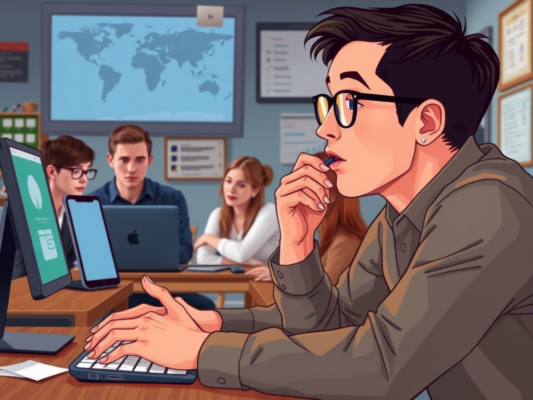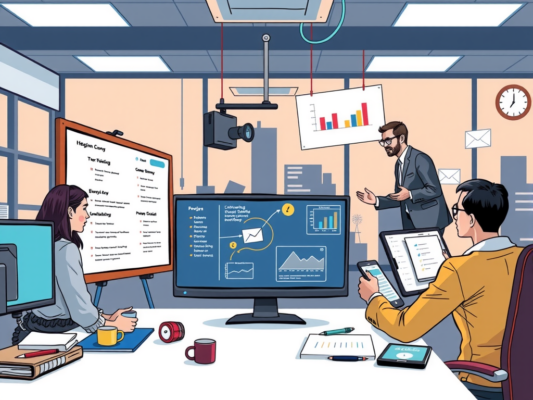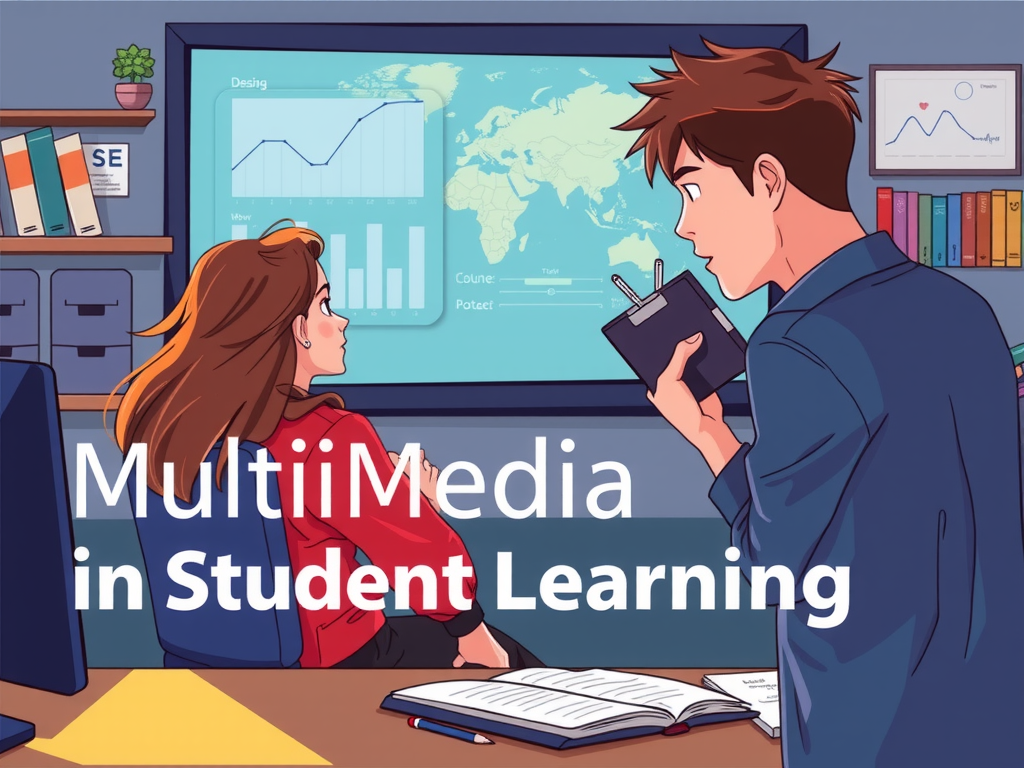
Are you looking to enhance student learning projects through multimedia? Look no further! In this article, we will delve into the best practices for incorporating multimedia into student projects to maximize engagement and learning outcomes. From videos to interactive presentations, we will explore how to effectively utilize multimedia to create an enriching educational experience for students.
In today's digital age, multimedia has become an essential tool in the classroom. By following the best practices outlined in this article, educators can harness the power of multimedia to create dynamic and engaging learning experiences for students. So, if you're ready to take your student projects to the next level, keep reading to discover how to leverage multimedia in the most effective way possible.
Enhancing Student Learning with Multimedia: Best Practices Unveiled
Enhancing student learning with multimedia is a powerful tool that educators can use to engage students in their learning experience. By incorporating various forms of media such as videos, images, and audio into projects, students are able to interact with the material in a more dynamic and captivating way.

One of the best practices for implementing multimedia in student learning projects is to ensure that the content is relevant and aligned with the learning objectives. By selecting media that reinforces key concepts and skills, educators can help students make meaningful connections and deepen their understanding of the material. Additionally, providing opportunities for students to create their own multimedia projects can foster creativity and critical thinking skills.
Another important aspect of using multimedia in student learning projects is to consider accessibility and diversity. It's essential to use a variety of media formats to accommodate different learning styles and abilities. Providing captions, transcripts, and alternative formats for students with disabilities can help ensure that all students can fully engage with the content.
Incorporating multimedia in student learning projects can also help promote collaboration and communication skills. By working together on multimedia projects, students can learn how to effectively communicate their ideas, share responsibilities, and work towards a common goal. This not only enhances their understanding of the material but also prepares them for future collaborative endeavors.
Overall, integrating multimedia into student learning projects can significantly enhance the learning experience by making the material more engaging, interactive, and accessible. By following these best practices, educators can help students develop essential skills while fostering a deeper understanding of the material. Give it a try and see the positive impact that multimedia can have on student learning!
Maximizing Learning Impact: Multimedia Best Practices for Students
In today's digital age, incorporating multimedia elements into student learning projects can significantly enhance the impact of the educational experience. By utilizing various forms of multimedia, such as videos, images, and interactive content, students are able to engage with the material in a more dynamic and immersive way. This not only helps to increase retention and understanding but also allows for a more personalized learning experience tailored to individual learning styles.
When creating multimedia content for student projects, there are several best practices to keep in mind to ensure maximum learning impact. Firstly, it is important to consider the purpose and objectives of the project, and how multimedia elements can support these goals. By aligning the content with the desired learning outcomes, students are more likely to stay engaged and motivated throughout the project.
In addition, it is crucial to keep the multimedia content concise and relevant. Avoid overwhelming students with too much information or unnecessary visuals. Instead, focus on creating content that is clear, organized, and easy to navigate. This will help students stay focused and retain key information more effectively.
Furthermore, encourage collaboration and interaction among students by incorporating multimedia elements that promote discussion and group work. This could include interactive activities, virtual simulations, or multimedia presentations that require students to work together towards a common goal. By fostering a sense of community and teamwork, students are able to learn from each other and build essential communication skills.
Overall, by following these best practices for multimedia in student learning projects, educators can create a more engaging and impactful educational experience for their students. By incorporating multimedia elements that align with learning objectives, keeping content concise and relevant, and encouraging collaboration and interaction, educators can help students reach their full potential and maximize their learning outcomes.
Empowering Student Projects: Best Practices for Multimedia Integration
Are you looking to enhance your students' learning experience through multimedia integration in their projects? Empowering student projects with multimedia can be a game-changer in the classroom. By incorporating various forms of multimedia such as videos, images, and audio, students can engage more deeply with the content and showcase their creativity in unique ways.
One of the best practices for multimedia integration is to encourage students to utilize a mix of different media types. This not only keeps their projects visually interesting but also caters to different learning styles. By allowing students to choose the type of multimedia that best represents their ideas, you are fostering a sense of ownership and creativity in their work.
Another key practice is to provide guidance and resources on how to effectively use multimedia tools. Many students may be unfamiliar with editing software or how to properly cite sources for images or videos. By offering tutorials or workshops on these topics, you are equipping students with the skills they need to successfully incorporate multimedia into their projects.
Furthermore, it is essential to emphasize the importance of quality over quantity when it comes to multimedia integration. Encourage students to focus on creating meaningful and impactful content rather than overwhelming their projects with unnecessary visuals. By setting clear expectations and criteria for multimedia use, students can ensure that their projects are both engaging and effective.
Frequently Asked Question
Why is it important to incorporate multimedia in student learning projects?
Using multimedia in student learning projects can engage different learning styles, enhance understanding of complex concepts, and improve retention of information. It can also promote creativity and critical thinking skills among students.
What are some best practices for integrating multimedia in student learning projects?
Some best practices for incorporating multimedia in student learning projects include using a variety of formats such as videos, images, and interactive simulations, ensuring content is relevant and aligned with learning objectives, and providing clear instructions for using multimedia tools.
How can educators assess the effectiveness of multimedia in student learning projects?
Educators can assess the effectiveness of multimedia in student learning projects by analyzing student engagement levels, collecting feedback through surveys or assessments, and measuring academic performance before and after incorporating multimedia elements.
What are some common challenges educators may face when using multimedia in student learning projects?
Some common challenges educators may face when using multimedia in student learning projects include limited access to technology, issues with internet connectivity, and the need for additional training on multimedia tools and software.
How can students benefit from using multimedia in their learning projects?
Students can benefit from using multimedia in their learning projects by actively engaging with course material, developing digital literacy skills, and collaborating with peers on multimedia assignments. It can also enhance their presentation skills and overall academic performance.
Conclusion
In conclusion, incorporating multimedia elements into student learning projects can greatly enhance engagement and understanding. By following best practices such as using a variety of multimedia types, keeping content concise and relevant, and ensuring accessibility for all learners, educators can create an enriching and interactive learning experience for students. Embracing the power of multimedia in education can help students grasp complex concepts more effectively and make learning more enjoyable. By implementing these best practices, educators can create a dynamic and engaging learning environment that supports student success.