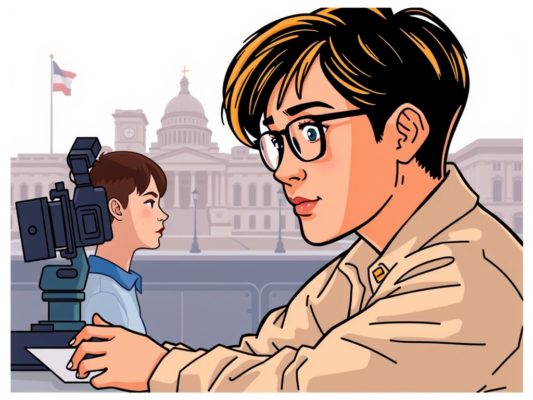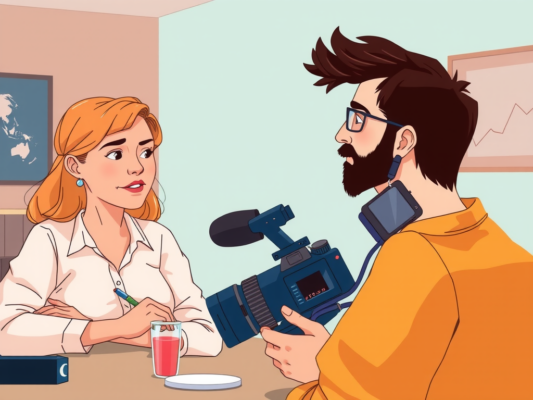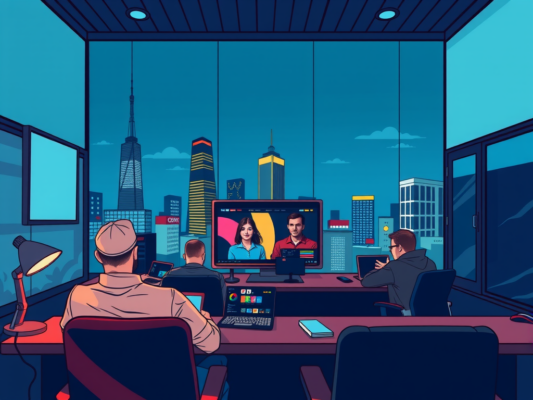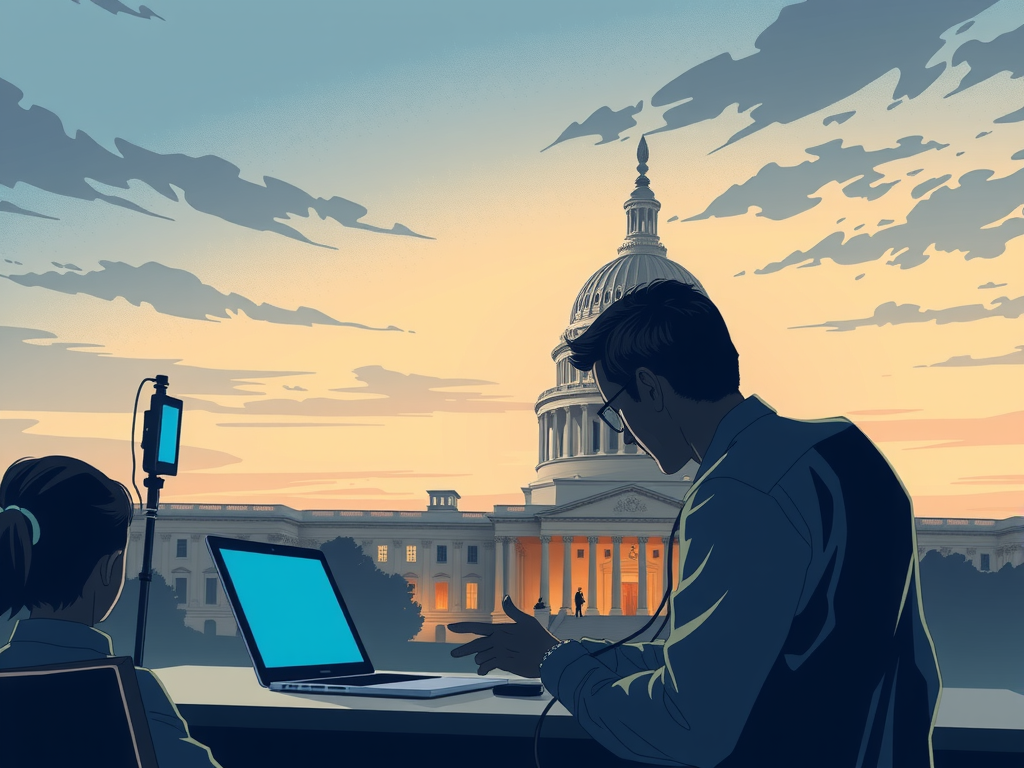
Are you looking to amplify the impact of your government campaigns through multimedia storytelling? Look no further! In this article, we will explore the best practices for creating engaging and effective multimedia content that resonates with your target audience. From compelling visuals to captivating storytelling, we will delve into the key strategies that will help you craft a powerful message that drives results.
In today's digital age, leveraging multimedia content is crucial for government campaigns to cut through the noise and connect with citizens. By incorporating a mix of videos, images, and interactive elements, you can create a dynamic storytelling experience that captures attention and drives engagement. Join us as we uncover the secrets to successful multimedia storytelling in government campaigns and learn how you can take your messaging to the next level. Let's dive in!
Enhancing Government Campaigns with Multimedia Storytelling
Enhancing Government Campaigns with Multimedia Storytelling

Multimedia storytelling has become an essential tool for government campaigns to effectively communicate with the public. By combining different forms of media such as videos, images, and audio, government agencies can create engaging and informative content that resonates with their target audience. These multimedia elements help to capture the attention of viewers and convey complex information in a more digestible format. Additionally, multimedia storytelling allows for greater creativity and flexibility in how messages are presented, making it easier to connect with citizens on an emotional level. Overall, incorporating multimedia storytelling into government campaigns can enhance communication efforts and improve overall public engagement.
Effective Strategies for Multimedia Storytelling in Government Campaigns
In government campaigns, using multimedia storytelling can be a powerful tool to engage and inform the public. One effective strategy is to create compelling visuals such as videos, infographics, and images that can help convey the message in a more engaging and memorable way. By using a combination of different media types, government campaigns can effectively reach a wider audience and make a greater impact. Additionally, incorporating storytelling elements such as a clear narrative, emotional appeal, and relatable characters can help to create a more engaging and impactful message.
Creating interactive content that allows the audience to participate and engage with the campaign can also be a successful strategy. This can include interactive quizzes, surveys, or games that encourage the audience to actively participate in the campaign. Furthermore, utilizing social media platforms to share multimedia content can help to extend the reach of the campaign and encourage sharing and engagement among the public. By effectively utilizing multimedia storytelling techniques, government campaigns can create a more engaging and impactful message that resonates with the audience.
Maximizing Impact: Multimedia Storytelling Best Practices for Government Campaigns
When it comes to creating impactful government campaigns, multimedia storytelling can be a powerful tool. By incorporating a variety of visual and interactive elements, government agencies can effectively convey their message to a wider audience. To maximize the impact of these campaigns, it's important to follow best practices that have been proven to engage and resonate with the public.
One key best practice for multimedia storytelling in government campaigns is to focus on creating compelling narratives. By telling a story that is relatable and emotionally resonant, agencies can capture the attention of their audience and make a lasting impression. This can be achieved through the use of personal anecdotes, real-life examples, and compelling visuals that help bring the story to life.
Another important best practice is to ensure that the multimedia elements used in the campaign are cohesive and complementary. This means that all visuals, videos, and interactive elements should work together seamlessly to create a unified message. By maintaining consistency in design and style, agencies can enhance the overall impact of their storytelling and leave a lasting impression on their audience.
Frequently Asked Question
What are the best practices for multimedia storytelling in government campaigns?
When it comes to multimedia storytelling in government campaigns, it's important to consider a few key best practices. First and foremost, engaging visuals and compelling storytelling are essential to capture your audience's attention. Utilizing a mix of videos, infographics, photos, and animations can help convey your message effectively. Additionally, incorporating accessible design elements and clear messaging can help ensure that your campaign reaches a wide audience.
How can government agencies effectively incorporate multimedia storytelling into their campaigns?
Government agencies can effectively incorporate multimedia storytelling into their campaigns by first identifying their target audience and tailoring their content to resonate with them. Creating a content calendar and establishing a consistent brand voice can help maintain cohesiveness across different multimedia platforms. It's also important to analyze and measure the success of your multimedia campaigns to make data-driven decisions for future content creation.
What are the advantages of using multimedia storytelling in government campaigns?
The advantages of using multimedia storytelling in government campaigns are numerous. Multimedia content can help increase engagement and awareness of government initiatives among the public. It can also make complex information more digestible and accessible to a wider audience. Additionally, multimedia storytelling can help humanize government agencies and create a more personal connection with the audience.
Conclusion
In conclusion, adopting best practices for multimedia storytelling in government campaigns can greatly enhance engagement and effectiveness. By incorporating a mix of visual, audio, and interactive elements, government agencies can effectively convey their messages to the public in a more engaging and memorable way. Ensuring that content is both perplexing and bursty can captivate audiences and drive them to take action, all while maintaining clarity and relevance. By following these guidelines, government campaigns can better connect with their target audiences and achieve their communication goals.