The Battle Between AI and Human Decision Making
In today's world, the battle between AI and human decision making is a topic of much debate. While AI technology continues to advance at a rapid pace, many still believe in the power of human intuition and experience when it comes to making decisions. Both AI and humans have their strengths and weaknesses, which makes this debate all the more fascinating.
AI is known for its ability to process vast amounts of data quickly and efficiently, providing insights and recommendations based on complex algorithms. However, AI lacks the emotional intelligence and creativity that humans possess, which can be crucial in certain decision-making scenarios. On the other hand, humans have the ability to think critically, consider ethical implications, and adapt to new situations in a way that AI cannot.
Despite the advancements in AI technology, many still believe that human decision making will always have a place in society. While AI can provide valuable data and insights, it is ultimately up to humans to interpret this information and make informed decisions. The key may lie in finding a balance between the two, leveraging the strengths of AI while still valuing the unique capabilities of human decision making. The battle between AI and human decision making is far from over, but one thing is certain – both have a role to play in shaping our future.

Exploring the Differences: AI vs Human Decision Making
When it comes to decision-making, artificial intelligence and humans each bring their own unique strengths to the table. AI is known for its speed, accuracy, and ability to process vast amounts of data quickly. On the other hand, humans excel in creativity, emotional intelligence, and the ability to think critically and adapt to new situations.
One key difference between AI and human decision-making is the level of complexity that can be handled. AI systems are great at analyzing data and identifying patterns, making them well-suited for tasks that require processing large amounts of information. However, humans are better at dealing with ambiguity, uncertainty, and making decisions based on intuition and experience.
Another difference is the level of bias that can come into play. While AI can be programmed to be unbiased and objective, it is only as good as the data it is trained on. Humans, on the other hand, are prone to cognitive biases that can influence their decision-making process.
In conclusion, both AI and human decision-making have their own strengths and weaknesses. While AI excels in speed and accuracy, humans bring creativity and emotional intelligence to the table. By understanding the differences between the two, we can leverage the strengths of each to make better decisions in our personal and professional lives.
AI or Human: Who Makes Better Decisions?
When it comes to decision-making, the age-old debate between AI and humans continues to spark curiosity and intrigue. Each possesses its own unique set of strengths and weaknesses, leaving many wondering: who truly makes better decisions? AI, with its unmatched processing power and ability to analyze vast amounts of data in a fraction of the time, often appears as the frontrunner in the race for superior decision-making capabilities. On the other hand, humans possess emotional intelligence, intuition, and the ability to consider complex ethical dilemmas that AI may struggle to comprehend.
While AI excels in tasks that require speed, accuracy, and data-driven analysis, human decision-making often shines in situations that demand empathy, creativity, and moral judgment. Humans can navigate ambiguity and uncertainty, adapting to new information and changing circumstances with ease. In contrast, AI may struggle to handle unpredictable scenarios or make decisions based on subjective factors that are not easily quantifiable.
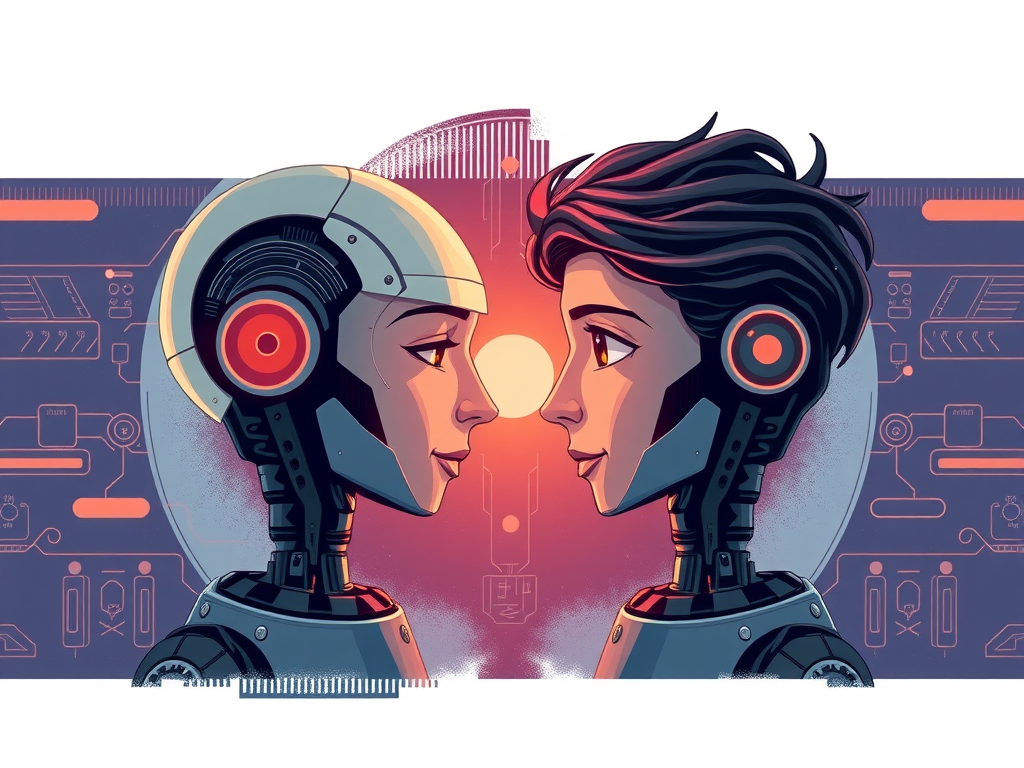
Despite their differences, AI and humans can complement each other in the decision-making process. By leveraging the strengths of both, organizations can achieve more well-rounded and informed outcomes. AI can assist humans in processing large volumes of data and identifying patterns, while humans can provide the context, intuition, and ethical considerations necessary for making truly impactful decisions.
Frequently Asked Question
AI vs Human Decision Making
When it comes to decision making, AI and humans have distinct approaches. While AI relies on algorithms and data analysis to make decisions, humans consider emotions, intuition, and past experiences. Both have their strengths and weaknesses, with AI excelling in processing large amounts of data quickly, while humans can provide a more nuanced and empathetic perspective.
AI's Role in Decision Making
AI plays a crucial role in decision making by providing data-driven insights and predictions. By analyzing patterns and trends in data, AI can help businesses make informed decisions and optimize processes. However, it is important to remember that AI is a tool and should not replace human judgment entirely.
Human Judgment in Decision Making
Human judgment is essential in decision making as it takes into account factors that AI may overlook, such as moral considerations, social impact, and ethical implications. While AI can analyze data efficiently, human judgment adds a human touch to decision-making processes, considering values and beliefs that are unique to individuals.
Combining AI and Human Decision Making
The most effective approach to decision making often involves a combination of AI and human judgment. By leveraging the strengths of both AI and humans, organizations can make well-informed decisions that take into account both data-driven insights and human values. This collaborative approach can lead to more comprehensive and balanced decision making.