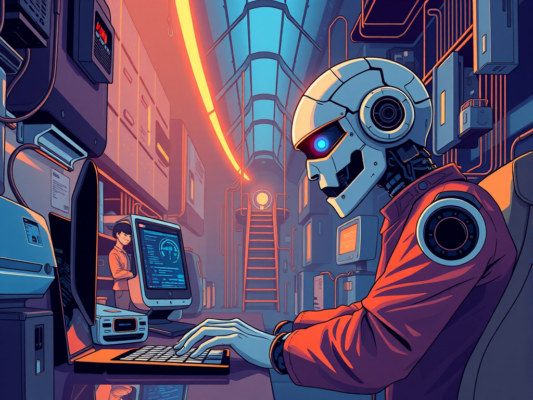
Unveiling the Mystery of Brain-Computer Interfaces
Have you ever imagined controlling devices with just your thoughts? Brain-computer interfaces (BCIs) make this futuristic concept a reality by establishing a direct communication pathway between the brain and an external device, bypassing the need for physical interaction. This groundbreaking technology is revolutionizing the way we interact with computers and opens up a world of possibilities for individuals with disabilities.
BCIs work by translating brain signals into commands that can be understood by computers or other devices. Electrodes placed on the scalp or directly on the brain pick up electrical activity, which is then processed and used to control a cursor, robotic arm, or even a prosthetic limb. This seamless integration of mind and machine has the potential to enhance communication, mobility, and independence for those with physical limitations.
One of the key advantages of BCIs is their ability to provide a direct link between the brain and technology, eliminating the need for traditional input methods such as keyboards or touchscreens. This not only simplifies the interaction process but also enables individuals to access and control devices more efficiently. Additionally, BCIs offer a means of communication for individuals who are unable to speak or move, giving them a voice and a way to express themselves.

The Ultimate Guide to Understanding Brain-Computer Interfaces
The technology of Brain-Computer Interfaces (BCIs) may sound like something out of a science fiction movie, but in reality, it is a fascinating field that is rapidly advancing. BCIs allow for direct communication between the brain and external devices, opening up a world of possibilities for those with disabilities or medical conditions. Imagine being able to control a computer or prosthetic limb simply by using your thoughts – that's the power of BCIs.
BCIs work by detecting and interpreting brain signals, translating them into commands that can be used to control external devices. This technology has the potential to revolutionize the way we interact with technology and the world around us. Whether it's helping individuals with paralysis regain mobility or allowing for more intuitive control of devices, the applications of BCIs are endless.
One of the key components of BCIs is the electrode array, which is used to pick up brain signals. These signals are then processed by a computer algorithm that decodes them into commands. While the technology is still in its early stages, researchers are making significant strides in improving the accuracy and reliability of BCIs.
As we continue to unlock the potential of Brain-Computer Interfaces, the possibilities are truly endless. From enhancing communication for individuals with disabilities to revolutionizing the way we interact with technology, BCIs are paving the way for a future where the mind can truly control the world around us. Stay tuned as we explore this exciting field further and discover the endless possibilities of Brain-Computer Interfaces.
Exploring the Fascinating World of Brain-Computer Interfaces
Step into the intriguing world of Brain-Computer Interfaces (BCIs), where the boundaries between mind and machine blur, allowing for direct communication between the human brain and external devices. BCIs are revolutionary technologies that hold immense potential for a wide range of applications, from medical treatments to enhanced communication and control systems.
Imagine being able to control a computer, prosthetic limb, or even a wheelchair simply by using your thoughts. With BCIs, this futuristic scenario is becoming a reality. By detecting and interpreting brain signals, BCIs enable users to interact with technology in ways that were once thought to be purely science fiction.
One of the most fascinating aspects of BCIs is their ability to bypass traditional input methods, such as touchscreens or keyboards, and allow for direct communication between the brain and external devices. This opens up a world of possibilities for individuals with disabilities, offering them newfound independence and the ability to perform everyday tasks with ease.
Frequently Asked Question
What is a Brain-Computer Interface?
A Brain-Computer Interface (BCI) is a revolutionary technology that allows for direct communication between the brain and an external device, such as a computer or prosthetic limb. This interface enables individuals to control devices using only their thoughts, opening up a world of possibilities for those with disabilities or limitations. Brain-Computer Interfaces have the potential to transform the way we interact with technology and improve the quality of life for many individuals.
How does a Brain-Computer Interface work?
A Brain-Computer Interface works by detecting and interpreting electrical signals generated by the brain. These signals are then translated into commands that can be used to control external devices. This process typically involves the use of electrodes placed on the scalp or directly on the brain to pick up the brain's electrical activity. Brain-Computer Interfaces use advanced algorithms to analyze these signals and translate them into meaningful actions.
What are the potential applications of Brain-Computer Interfaces?
The potential applications of Brain-Computer Interfaces are vast and diverse. Some of the most promising uses include enabling individuals with paralysis to control prosthetic limbs, allowing patients with neurological disorders to communicate more effectively, and even enhancing cognitive abilities through neurofeedback training. Brain-Computer Interfaces also have the potential to revolutionize the gaming and entertainment industries by enabling more immersive and interactive experiences.
Are there any limitations to Brain-Computer Interfaces?
While Brain-Computer Interfaces hold great promise, there are still some limitations to be addressed. These include the need for more accurate and reliable signal detection, the potential for signal interference from other sources, and the ethical considerations surrounding the use of this technology. Despite these challenges, ongoing research and advancements in Brain-Computer Interfaces are steadily overcoming these limitations.