The Battle of Artificial Intelligence in the Cybersecurity Industry
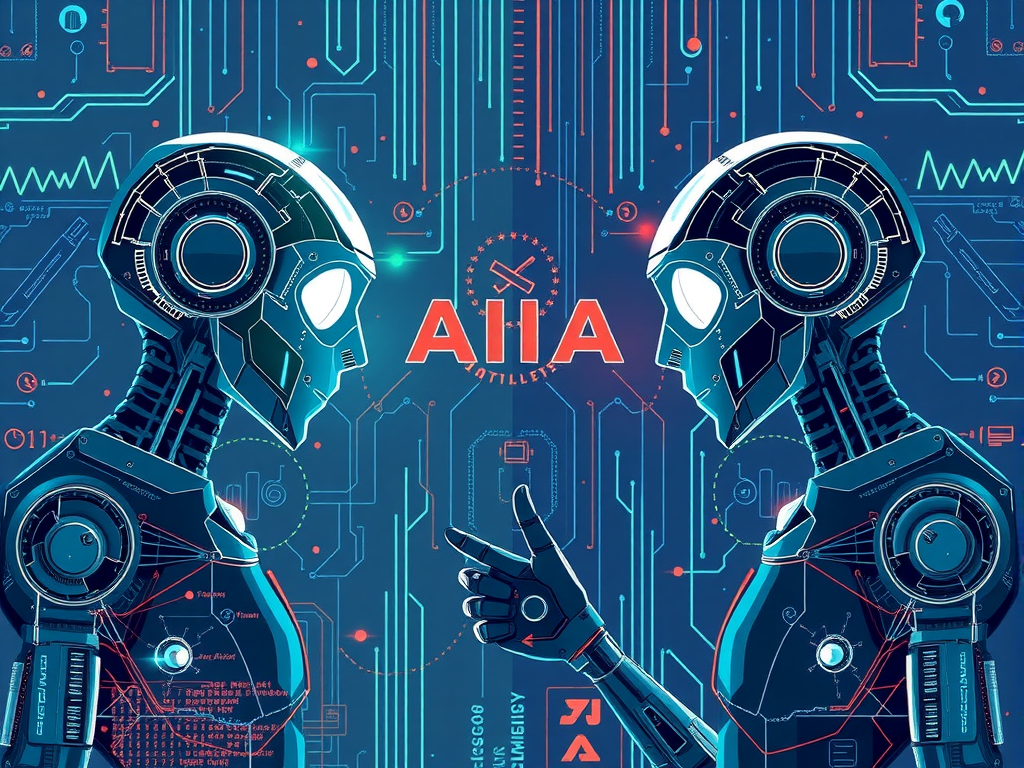
Artificial intelligence has revolutionized the cybersecurity industry, leading to a new era of technological warfare between AI-powered systems. The battle of AI in cybersecurity is an ongoing arms race, with both attackers and defenders constantly innovating to gain the upper hand. AI algorithms are being used by cybercriminals to launch sophisticated attacks, while cybersecurity professionals are harnessing the power of AI to detect and mitigate these threats in real-time.
AI-powered systems have the ability to analyze vast amounts of data at speeds far beyond human capability, allowing them to identify and respond to cyber threats in a matter of seconds. This speed and efficiency give AI a significant advantage in cybersecurity operations, enabling organizations to defend against a wide range of attacks, from malware and phishing to advanced persistent threats. However, as AI technology continues to evolve, cybercriminals are also leveraging AI to develop more sophisticated and evasive attack strategies.
One of the key challenges in the battle of AI in cybersecurity is the cat-and-mouse game between attackers and defenders. As AI algorithms become more adept at detecting and neutralizing threats, cybercriminals are finding new ways to evade detection and exploit vulnerabilities in AI-powered security systems. This escalating arms race underscores the importance of ongoing research and development in cybersecurity, as well as collaboration between industry stakeholders to stay ahead of emerging threats.

In conclusion, the battle of artificial intelligence in the cybersecurity industry is a high-stakes competition that requires constant vigilance and innovation on both sides. As AI technology continues to advance, organizations must invest in robust cybersecurity measures and stay informed about the latest trends and developments in AI-powered threat detection and response. By staying one step ahead of cyber threats, organizations can protect their data, systems, and networks from malicious actors seeking to exploit vulnerabilities for personal gain.
AI-Powered Security: The New Frontline of Cyber Defense
AI-powered security is quickly becoming the new frontline of cyber defense in the ongoing battle against cyber threats. With the rapid advancement of AI technology, organizations are now able to leverage machine learning algorithms to detect and respond to threats in real-time, helping to stay one step ahead of cyber attackers. This new approach to cybersecurity is changing the game, providing a more proactive and efficient way to protect sensitive data and systems from malicious actors.
One of the key advantages of AI-powered security is its ability to analyze vast amounts of data at a speed and scale that far exceeds human capabilities. This enables organizations to quickly identify patterns and anomalies that may indicate a potential security threat, allowing for immediate action to be taken to mitigate the risk. By automating many aspects of the threat detection and response process, AI-powered security solutions can help to significantly reduce the burden on security teams and improve overall efficiency.
Furthermore, AI-powered security can adapt and evolve over time, continuously learning from new data and improving its ability to detect and prevent cyber threats. This adaptive nature allows organizations to stay ahead of emerging threats and better protect themselves against sophisticated cyber attacks. By combining the power of AI with human expertise, organizations can create a formidable defense against cyber threats and ensure the safety and security of their digital assets.
How AI is Revolutionizing Cybersecurity Strategies
The rapid advancement of artificial intelligence (AI) technology has completely transformed cybersecurity strategies in recent years. AI is revolutionizing the way organizations defend against cyber threats, allowing them to stay one step ahead of cybercriminals. One major way AI is changing cybersecurity is through its ability to analyze massive amounts of data at lightning speed, enabling quick detection and response to potential security breaches. By using AI-powered tools, organizations can automate routine tasks, freeing up security professionals to focus on more complex and strategic issues.
The use of AI in cybersecurity also allows for the development of predictive analytics, which can anticipate and prevent potential threats before they occur. Machine learning algorithms can analyze patterns in data to identify potential vulnerabilities and predict future cyber attacks. This proactive approach to cybersecurity is essential in today's constantly evolving threat landscape, where cybercriminals are continuously adapting their tactics to bypass traditional security measures.
Furthermore, AI can enhance threat detection and response capabilities by providing real-time insights into potential security incidents. AI-powered systems can monitor network traffic, detect anomalies, and alert security teams to potential threats in real-time. This real-time visibility allows organizations to respond swiftly to cyber attacks, minimizing the impact of security breaches and reducing the likelihood of data loss or financial damage.
Frequently Asked Question
AI vs AI: The New Cybersecurity Arms Race
As technology continues to advance, the use of AI in cybersecurity has become increasingly prevalent. With cyber threats becoming more sophisticated, organizations are turning to AI to help defend against these attacks. However, cybercriminals are also utilizing AI to develop more advanced methods of breaching security systems, leading to a new arms race in the world of cybersecurity.
The Role of Artificial Intelligence in Cybersecurity
Artificial intelligence plays a crucial role in cybersecurity by helping organizations detect and respond to threats in real-time. By analyzing large amounts of data and identifying patterns, AI can help identify potential vulnerabilities and proactively defend against cyber attacks. This advanced technology is essential in the constantly evolving landscape of cybersecurity.
The Potential Risks of AI in Cybersecurity
While AI offers many benefits in cybersecurity, there are also potential risks associated with its use. One concern is the possibility of AI being manipulated by cybercriminals to launch more sophisticated attacks. Additionally, there are ethical considerations surrounding the use of AI in cybersecurity, such as privacy concerns and the potential for bias in decision-making processes.