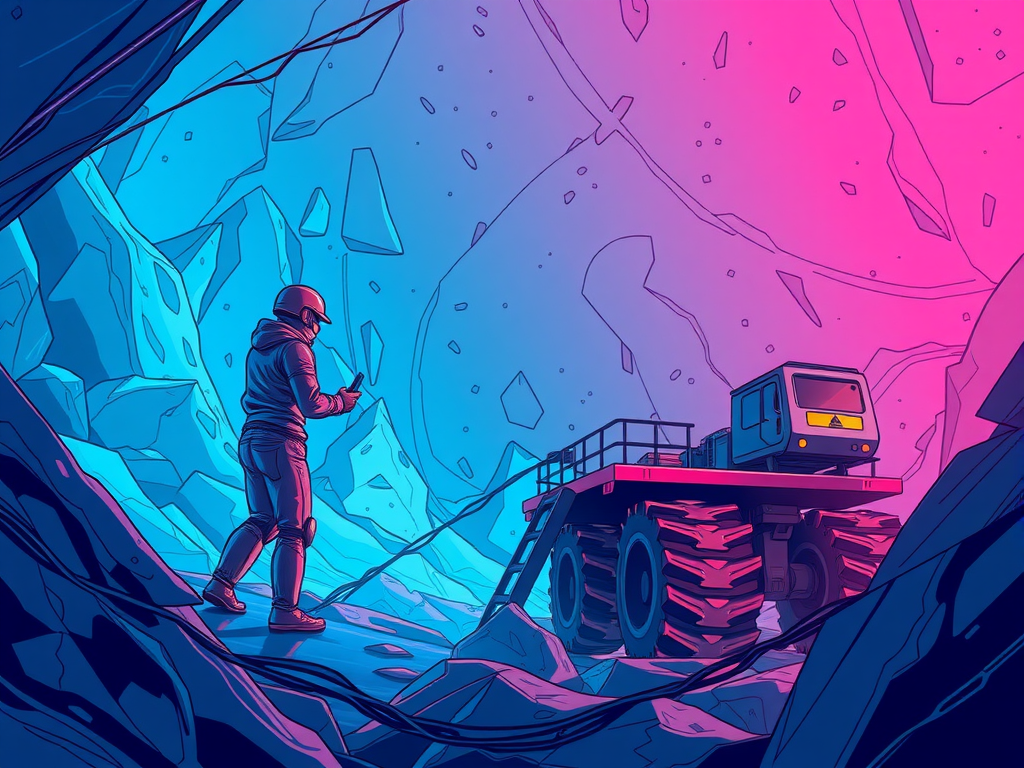
The Impact of AI-Optimized Mining on Environmental Sustainability
The impact of AI-optimized mining on environmental sustainability is a topic of growing concern in today's world. As technology continues to advance, the use of artificial intelligence in mining operations has the potential to both improve efficiency and reduce environmental impact. AI-optimized mining can lead to more precise and efficient extraction of resources, minimizing waste and reducing the overall environmental footprint of mining activities. Additionally, AI can help in monitoring and managing environmental risks, such as water contamination or habitat destruction, leading to more sustainable mining practices. In this way, AI-optimized mining has the potential to promote environmental sustainability while still meeting the demands of the industry.
Exploring the Ethical Dilemmas of AI-Driven Mining Practices
Exploring the ethical dilemmas of AI-driven mining practices reveals a complex landscape where technology and sustainability intersect. As artificial intelligence continues to revolutionize the mining industry, it raises important questions about the trade-offs involved in optimizing operations through automation. One of the key dilemmas is the potential impact on the workforce, as AI-driven mining practices may lead to job displacement and changes in the skill sets required for the industry. Additionally, there are concerns about the environmental consequences of increased efficiency in mining operations, such as resource depletion and habitat destruction.
Maximizing Efficiency: The Pros and Cons of AI in the Mining Industry
Mining operations have greatly benefited from the implementation of AI technology in recent years. One of the main advantages of using AI in the mining industry is the ability to maximize efficiency. AI can help optimize processes, increase productivity, and reduce operational costs. By analyzing large amounts of data, AI can identify patterns and trends that humans may not be able to detect, leading to more informed decision-making and improved overall performance. However, there are also trade-offs to consider when implementing AI in mining operations.

One of the main disadvantages of using AI in the mining industry is the potential loss of jobs. As AI technology becomes more advanced, there is a fear that it could replace human workers, leading to job loss and unemployment. This can have a negative impact on communities that rely on mining for employment. Additionally, there are concerns about the ethical implications of using AI in mining, such as data privacy and security issues.
In conclusion, while AI technology offers many benefits to the mining industry in terms of efficiency and productivity, there are also trade-offs that need to be considered. It is important for mining companies to weigh the pros and cons of implementing AI technology and to consider the potential impacts on workers and communities. By finding a balance between maximizing efficiency and addressing potential drawbacks, the mining industry can harness the power of AI technology while mitigating any negative consequences.
Frequently Asked Question
The Trade-Offs of AI-Optimized Mining
When it comes to AI-optimized mining, there are several trade-offs to consider. One of the main benefits is the increased efficiency and accuracy that AI technology can bring to mining operations. However, there are also potential downsides, such as the high cost of implementing AI systems and the risk of job displacement for human workers. Finding the right balance between the benefits and drawbacks of AI-optimized mining is crucial for companies in the industry.
Impact on Job Market
The adoption of AI-optimized mining technology has the potential to significantly impact the job market in the mining industry. Automation can lead to job displacement for human workers, particularly those in repetitive or manual labor roles. Companies must consider how to retrain or transition their workforce to ensure they are not left behind in the age of AI.
Environmental Considerations
AI-optimized mining can also have environmental implications. While AI technology can help companies minimize their environmental footprint by optimizing resource use and reducing waste, there are also concerns about the energy consumption of AI systems. Implementing sustainable practices alongside AI optimization is essential for mining companies to minimize their impact on the environment.