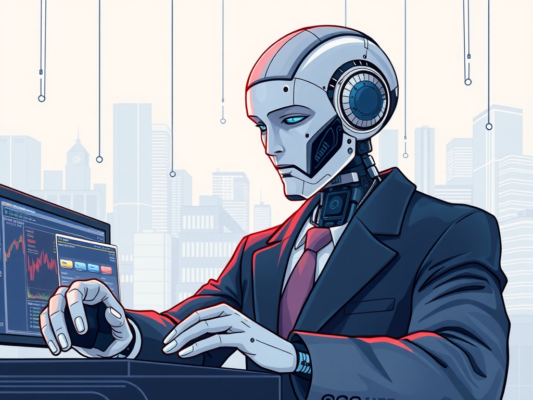
The Legal Challenges of AI-Powered DAOs in Regulated Industries
Navigating the legal landscape can be especially challenging for AI-powered DAOs operating in regulated industries. These decentralized autonomous organizations harness the power of artificial intelligence to make decisions and execute tasks without human intervention. In regulated sectors such as finance, healthcare, and transportation, the legal challenges faced by AI-powered DAOs are even more complex and multifaceted.
One of the primary legal challenges for AI-powered DAOs in regulated industries is the issue of accountability. Traditional regulatory frameworks are designed to hold human actors accountable for their actions. However, when decisions are made autonomously by AI algorithms within a DAO, determining responsibility can be murky. This lack of clarity can create significant legal risks for AI-powered DAOs, as regulators may struggle to assign liability in the event of a compliance violation or other legal issue.
Additionally, data privacy and security concerns loom large for AI-powered DAOs operating in regulated industries. These organizations often deal with sensitive personal information or proprietary data, which must be handled in compliance with stringent regulatory requirements. Ensuring that AI algorithms are programmed to protect data privacy and security while still maintaining operational efficiency can be a delicate balancing act. Failure to do so can result in severe legal consequences, including hefty fines and reputational damage.

Navigating the Uncertain Regulatory Landscape of AI-Driven Decentralized Autonomous Organizations
Navigating the uncertain regulatory landscape of AI-driven Decentralized Autonomous Organizations (DAOs) can be a daunting task for businesses and policymakers alike. As these innovative entities continue to gain traction in various industries, questions surrounding their legal status and compliance requirements remain unanswered. The intersection of artificial intelligence and decentralized decision-making processes presents unique challenges that traditional regulatory frameworks may struggle to address effectively.
At the heart of the issue lies the autonomous nature of AI-powered DAOs, which operate without a central governing authority. This decentralized structure raises concerns about accountability, transparency, and liability in the event of regulatory violations or unforeseen consequences. Without clear guidelines or established precedents, businesses operating in this space must tread carefully to avoid potential legal pitfalls.
Furthermore, the dynamic and rapidly evolving nature of AI technology adds another layer of complexity to the regulatory landscape. As algorithms continue to learn and adapt in real-time, ensuring compliance with existing laws and regulations becomes increasingly challenging. Balancing innovation and risk management becomes a delicate dance for businesses looking to leverage AI-driven DAOs for competitive advantage.
In conclusion, navigating the regulatory gray zone of AI-powered DAOs requires a proactive and collaborative approach from all stakeholders involved. By engaging in open dialogue with regulators, industry leaders, and legal experts, businesses can work towards establishing a more coherent and comprehensive regulatory framework that promotes innovation while safeguarding against potential risks. As the AI landscape continues to evolve, staying informed and adaptable will be key to successfully navigating this complex regulatory environment.
Understanding the Compliance Risks Associated with AI-Powered DAOs in Today's Legal Environment
Understanding the compliance risks associated with AI-Powered DAOs in today's legal environment is crucial for businesses looking to navigate the regulatory gray zone. With the rapid advancements in technology, AI-powered DAOs bring about new challenges that require careful consideration. These risks include:
– Lack of clarity on regulatory framework: The evolving nature of AI-powered DAOs makes it challenging for regulatory bodies to keep up with the technology, leading to a lack of clear guidelines on compliance requirements.
– Data privacy concerns: The use of AI in decentralized autonomous organizations raises issues related to data privacy and security, as personal information may be vulnerable to breaches and misuse.
– Accountability and liability issues: Determining responsibility for decisions made by AI-powered DAOs can be complex, raising questions about legal liability and accountability in case of errors or misconduct.
Frequently Asked Question
What is the Regulatory Gray Zone of AI-Powered DAOs?
AI-powered decentralized autonomous organizations (DAOs) operate in a regulatory gray zone where traditional laws and regulations may not adequately address their unique features. These entities use artificial intelligence to make decisions and execute tasks autonomously, raising questions about liability, accountability, and governance. The intersection of AI and decentralized governance creates a complex environment that regulators are still grappling to understand and regulate effectively.
How are AI-Powered DAOs Impacting Regulatory Frameworks?
The emergence of AI-powered DAOs is challenging traditional regulatory frameworks to adapt to the rapidly evolving technology landscape. Regulators are faced with the task of balancing innovation and risk management as they seek to define the legal status of these autonomous entities. The decentralized nature of AI-powered DAOs further complicates regulatory efforts, as decision-making processes are distributed across a network of participants rather than centralized authorities.
What are the Key Concerns Surrounding the Regulation of AI-Powered DAOs?
One of the key concerns surrounding the regulation of AI-powered DAOs is the potential for regulatory arbitrage, where these entities exploit regulatory gaps to engage in activities that may be considered illegal or unethical. Another concern is the lack of clarity around liability and accountability in cases where AI algorithms make autonomous decisions that result in harm or loss. Additionally, the challenge of ensuring transparency and auditability in the operation of AI-powered DAOs poses significant regulatory challenges.
How Can Regulators Address the Regulatory Challenges Posed by AI-Powered DAOs?
Regulators can address the regulatory challenges posed by AI-powered DAOs by engaging in dialogue with industry stakeholders to better understand the technology and its implications. Developing flexible regulatory frameworks that can adapt to the evolving nature of AI-powered DAOs is essential to fostering innovation while mitigating risks. Implementing robust mechanisms for oversight, compliance, and enforcement can help regulators effectively monitor and regulate the activities of these autonomous entities.