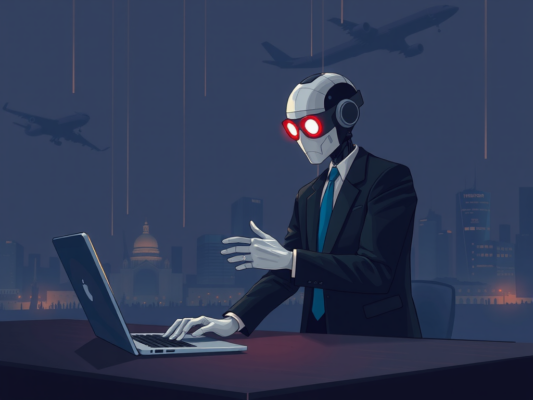
The Rise of AI-Powered Cybersecurity: A Battle of Algorithms
In the world of cybersecurity, the rise of AI-powered solutions has sparked a new era of competition between hackers and defenders. As artificial intelligence becomes more advanced, cybercriminals are using AI algorithms to launch more sophisticated attacks, while cybersecurity professionals are leveraging AI to defend against these threats. This battle of algorithms is shaping the future of cybersecurity, as both sides constantly adapt and evolve to outsmart each other.
AI-powered cybersecurity tools are becoming essential for organizations to protect their sensitive data and systems from cyber threats. These tools can analyze vast amounts of data in real-time, detect anomalies and patterns, and respond to security incidents faster than human analysts. By using AI algorithms, cybersecurity teams can stay one step ahead of cybercriminals and proactively defend against emerging threats.
One of the key advantages of AI-powered cybersecurity is its ability to automate routine tasks, such as monitoring network traffic, detecting malware, and responding to security alerts. This automation frees up human analysts to focus on more strategic tasks, such as threat hunting and incident response. AI algorithms can also learn from past security incidents and continuously improve their detection capabilities, making them more effective at stopping cyber attacks.

Overall, the rise of AI-powered cybersecurity is transforming the way organizations defend against cyber threats. By leveraging AI algorithms, cybersecurity teams can detect and respond to attacks faster, automate routine tasks, and stay ahead of evolving threats. As the battle of algorithms continues to unfold, the role of AI in cybersecurity will only become more important in safeguarding the digital world.
AI vs AI: Securing Data in the New Cybersecurity Landscape
In today's ever-evolving digital landscape, the battle for cybersecurity supremacy is heating up as artificial intelligence (AI) faces off against AI. As cyber threats become more sophisticated, organizations are turning to AI-powered solutions to safeguard their valuable data from malicious attacks. This new era of cybersecurity brings both challenges and opportunities, as AI technologies are leveraged to both defend against and launch cyberattacks.
AI-driven cybersecurity tools are revolutionizing the way organizations protect their data, with machine learning algorithms able to quickly detect and respond to threats in real-time. By analyzing vast amounts of data at lightning speed, AI systems can identify patterns and anomalies that may indicate a potential cyber threat. This proactive approach to cybersecurity is essential in today's fast-paced digital world, where cybercriminals are constantly looking for ways to exploit vulnerabilities.
However, the use of AI in cybersecurity also raises questions about the potential for AI-powered cyberattacks. As AI technologies become more advanced, there is a concern that cybercriminals could use AI to launch more sophisticated and targeted attacks. This new form of cyber warfare poses a significant threat to businesses and individuals alike, as traditional cybersecurity measures may not be enough to defend against AI-driven threats.
As organizations navigate this new cybersecurity landscape, it is essential to stay informed and proactive in implementing robust cybersecurity measures. By leveraging AI technologies for both defense and offense, organizations can stay one step ahead of cyber threats and protect their valuable data from potential breaches. The AI vs AI cybersecurity arms race is just beginning, and only time will tell which side will emerge victorious in this high-stakes battle for digital security.
Machine Learning in Cybersecurity: The Arms Race of Artificial Intelligence
Machine learning is revolutionizing the field of cybersecurity, creating a new arms race between artificial intelligence systems. These advanced technologies are constantly evolving, with both cybersecurity professionals and cyber attackers utilizing machine learning algorithms to outsmart each other. As a result, the cybersecurity landscape is becoming more complex and challenging to navigate.
In this high-stakes game of cat and mouse, machine learning algorithms are being used to detect and prevent cyber threats in real-time. By analyzing vast amounts of data and identifying patterns, AI systems can quickly identify and respond to potential security breaches. However, cyber attackers are also using machine learning to develop more sophisticated and evasive tactics, making it difficult for traditional security measures to keep up.
The constant evolution of machine learning in cybersecurity is forcing organizations to adapt and innovate their security strategies. By leveraging AI technologies, businesses can stay one step ahead of cyber threats and proactively protect their networks and sensitive data. However, it is crucial for organizations to continuously update their defenses and stay informed about the latest advancements in AI-driven cybersecurity solutions.
In conclusion, the arms race of artificial intelligence in cybersecurity is a never-ending battle between innovative technology and malicious intent. As machine learning continues to advance, organizations must be vigilant in their efforts to enhance their cyber defenses and stay ahead of cyber threats. By embracing AI-driven security solutions and adopting a proactive approach to cybersecurity, businesses can effectively protect themselves in this rapidly changing digital landscape.
Frequently Asked Question
AI vs AI: The New Cybersecurity Arms Race
As technology continues to advance, the use of Artificial Intelligence in cybersecurity has become increasingly prevalent. The concept of AI vs AI refers to the ongoing battle between cyber attackers using AI to exploit vulnerabilities and defenders utilizing AI to detect and mitigate threats. This new arms race has led to a constantly evolving landscape of cyber threats and defense strategies.
The Role of AI in Cybersecurity
Artificial Intelligence plays a crucial role in cybersecurity by helping organizations analyze vast amounts of data to identify patterns and anomalies that may indicate a potential threat. AI can also automate threat detection and response processes, allowing for faster and more effective incident response.
Challenges of AI in Cybersecurity
While AI offers many benefits in cybersecurity, it also presents challenges. One major concern is the potential for attackers to use AI to launch more sophisticated and targeted attacks. Additionally, there are concerns about the ethical implications of AI-powered cybersecurity systems, such as bias in decision-making processes.
Future Trends in AI-Powered Cybersecurity
The future of cybersecurity is likely to be increasingly dominated by Artificial Intelligence. As AI technology continues to advance, we can expect to see more sophisticated AI-powered cybersecurity solutions that are better equipped to defend against emerging threats. Organizations will need to continuously adapt and evolve their cybersecurity strategies to keep pace with the evolving threat landscape.