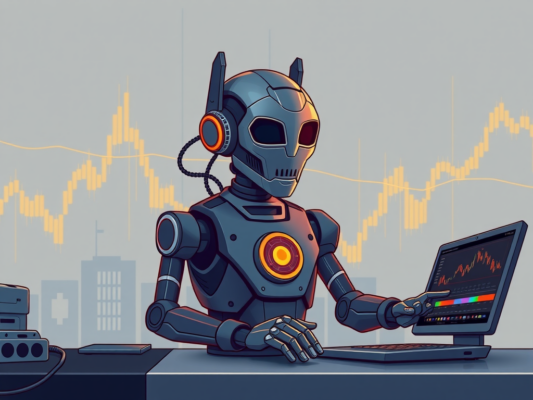
How AI Revolutionizes Trading Skill Demands
Artificial Intelligence (AI) is completely transforming the trading landscape, revolutionizing the skill demands in the industry. With AI technologies becoming more advanced and widely adopted, traders now need to possess a new set of skills to stay competitive in the market. One of the key ways AI is changing skill requirements in trading is through its ability to analyze vast amounts of data at incredibly high speeds, providing traders with insights and opportunities in real-time. This means that traders need to be proficient in data analysis and interpretation to effectively leverage AI tools in their trading strategies.
Additionally, AI algorithms are constantly evolving and adapting to market conditions, requiring traders to have a strong understanding of machine learning and programming to develop and optimize these algorithms. Traders who can effectively harness the power of AI in their trading activities will have a significant edge over their competitors, as they can make more informed decisions based on data-driven insights. In essence, AI is reshaping the trading skill demands by emphasizing the importance of technological proficiency and data analysis in the industry.
Moreover, AI is also changing the way traders interact with markets, as automated trading systems powered by AI can execute trades at lightning speeds without human intervention. This means that traders now need to possess a deep understanding of algorithmic trading strategies and risk management to effectively navigate the automated trading landscape. Overall, AI is revolutionizing trading skill demands by placing a greater emphasis on technological literacy, data analysis, and algorithmic trading expertise. As AI continues to advance, traders who adapt to these changing skill requirements will thrive in the evolving trading landscape.

The Impact of AI on Trading Skill Sets
In today's fast-paced trading environment, the impact of AI on trading skill sets cannot be overlooked. With the advancement of technology, traders are now required to possess a different set of skills compared to traditional methods. AI has revolutionized the trading industry, leading to changes in the following areas:
– Analysis and Decision-Making: AI algorithms can analyze massive amounts of data in real-time, helping traders make informed decisions quickly.
– Automation: AI can automate mundane tasks, allowing traders to focus on more strategic aspects of trading.
– Risk Management: AI can identify potential risks and opportunities, helping traders mitigate losses and maximize profits.
Overall, AI has changed the skill requirements in trading, emphasizing the need for traders to adapt and learn new technologies to stay competitive in the market.
Adapting to AI-Driven Changes in Trading Skills
As the trading industry continues to evolve with the advancement of artificial intelligence (AI) technology, it is crucial for professionals to adapt to the changing skill requirements. AI-driven changes in trading skills are reshaping the landscape, and staying ahead of the curve is essential for success in this competitive market. Here are some key insights on how to adapt to these changes:
– Embrace continuous learning: With AI playing a more significant role in trading, it is essential to stay updated on the latest technologies and trends in the industry.
– Develop analytical skills: As AI takes over routine tasks, traders must focus on honing their analytical skills to interpret complex data and make informed decisions.
– Enhance coding abilities: Understanding coding languages and programming skills are becoming increasingly important in trading, as AI algorithms are being utilized to automate trading strategies.
Frequently Asked Question
How does AI Change Skill Requirements in Trading?
AI has revolutionized the trading industry by automating tasks that were once performed manually. This shift has increased the demand for skills in data analysis, programming, and machine learning. Traders now need to possess a deeper understanding of algorithms and data interpretation to stay competitive in the market. Adapting to these changes is crucial for traders to remain relevant in the evolving landscape of the trading industry.
What are the Impacts of AI on Trading Skill Requirements?
The impacts of AI on trading skill requirements are significant. With AI algorithms capable of processing vast amounts of data at lightning speed, traders must now focus on developing skills related to data analysis, algorithmic trading, and risk management. Having a strong foundation in these areas is essential for traders to leverage the power of AI in their trading strategies.
How can Traders Stay Competitive in the AI-driven Trading Environment?
Traders can stay competitive in the AI-driven trading environment by continuously upgrading their skills and knowledge. This may involve taking courses on data analysis, machine learning, or programming to enhance their understanding of AI technologies. Adopting a growth mindset and being open to learning new skills is key to staying ahead in the rapidly evolving trading landscape.