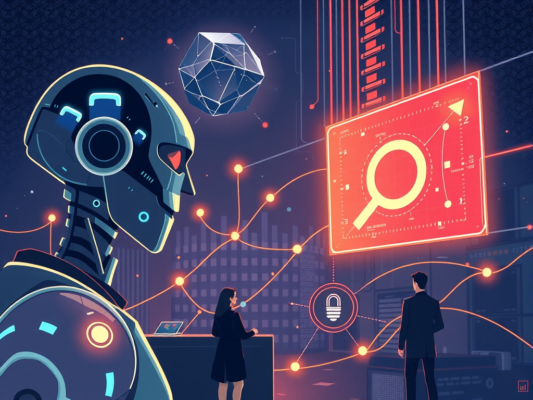
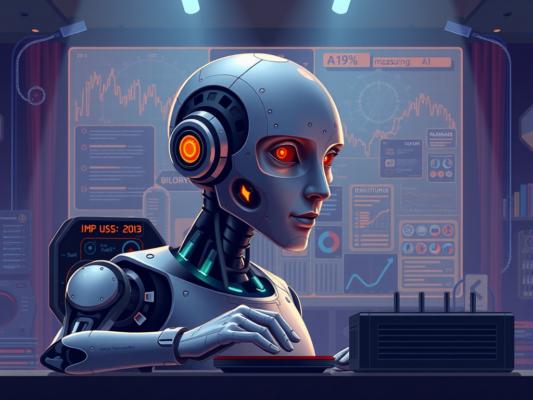
The Power of Multimodal AI Models in Understanding Complex Data
The power of multimodal AI models lies in their ability to comprehend and interpret complex data in various forms. By combining different modalities such as text, images, and audio, these models can analyze and understand information more comprehensively than traditional AI models. This allows them to extract deeper insights and provide more accurate predictions, making them invaluable tools for a wide range of applications.
Multimodal AI models work by processing data from multiple sources simultaneously, using advanced algorithms to extract meaningful patterns and relationships. By incorporating information from different modalities, these models can overcome the limitations of single-modal AI systems and achieve a more holistic understanding of the data. This enables them to uncover hidden connections and nuances that may not be apparent when analyzing each modality in isolation.
One of the key advantages of multimodal AI models is their ability to handle diverse and unstructured data, making them well-suited for tasks that involve complex and ambiguous information. By leveraging the complementary strengths of different modalities, these models can enhance their overall performance and deliver more accurate results. This makes them particularly effective in applications such as natural language processing, computer vision, and speech recognition, where a comprehensive understanding of the data is essential.

In addition to their analytical capabilities, multimodal AI models also have the potential to improve user experiences and enhance human-computer interactions. By incorporating multiple modalities, these models can enable more intuitive and natural interactions, making it easier for users to communicate with AI systems. This can lead to more personalized and engaging experiences, ultimately driving greater user satisfaction and adoption of AI technologies.
Overall, the power of multimodal AI models lies in their ability to leverage diverse modalities to understand complex data more effectively. By combining different sources of information, these models can extract deeper insights, provide more accurate predictions, and enhance user experiences. As AI continues to advance, multimodal models are poised to play an increasingly important role in a wide range of applications, shaping the future of artificial intelligence.
Enhancing AI Capabilities: Unraveling the Mechanisms of Multimodal Models
Enhancing AI capabilities involves delving into the intricate mechanisms of multimodal models. These advanced AI systems are designed to process and understand information from multiple sources, such as text, images, and audio, to provide a more comprehensive and accurate analysis. By combining different modalities, multimodal models can enhance the overall performance and efficiency of AI applications, allowing for more nuanced and human-like interactions.
One key aspect of how multimodal AI models work is through the use of neural networks that are trained to process and interpret data from various modalities simultaneously. These networks are able to learn complex relationships between different types of data, allowing them to make more informed decisions and predictions. Through this process, multimodal models can extract valuable insights and patterns that may not be apparent when analyzing each modality in isolation.
Another important component of multimodal AI models is the concept of fusion, where information from different modalities is merged to create a more comprehensive representation of the data. This fusion of modalities allows the model to leverage the strengths of each type of data, leading to more robust and accurate results. By integrating information from multiple sources, multimodal models can provide a more holistic understanding of the data and improve the overall performance of AI systems.
Unlocking the Potential of Multimodal AI for Comprehensive Data Analysis
Multimodal AI models are revolutionizing the way data is analyzed by combining multiple types of data, such as text, images, and audio, to provide a more comprehensive understanding of the information at hand. By integrating various sources of data, these models can uncover insights that would have been impossible to achieve using traditional AI methods alone. This innovative approach to data analysis is unlocking new possibilities for businesses and researchers alike, allowing them to gain deeper insights and make more informed decisions based on a holistic view of their data.
One of the key benefits of multimodal AI is its ability to process and analyze data from different sources simultaneously, allowing for a more complete and accurate understanding of complex datasets. By leveraging multiple modalities, such as text, images, and audio, these models can extract valuable insights that would have been difficult to uncover using traditional AI methods. This allows businesses to gain a more comprehensive view of their data and make more informed decisions based on a more robust understanding of the information at hand.
In addition to providing a more comprehensive view of data, multimodal AI models also have the potential to improve the accuracy and reliability of data analysis. By integrating multiple modalities, these models can cross-reference information from different sources, helping to validate and verify the insights that are generated. This not only enhances the quality of the analysis but also helps to reduce the risk of errors or bias in the results. As a result, businesses can have greater confidence in the insights provided by multimodal AI models, allowing them to make more strategic and impactful decisions based on the data at hand.
Frequently Asked Question
How Multimodal AI Models Work
Multimodal AI models work by combining input from multiple sources, such as text, images, and audio, to generate more comprehensive and accurate results. These models use deep learning algorithms to process and analyze the different types of data, allowing them to understand the context and relationship between different modalities. By leveraging the strengths of each modality, multimodal AI models can provide more nuanced and contextually rich insights.
Benefits of Multimodal AI Models
The main benefit of multimodal AI models is their ability to process diverse types of data and extract valuable information from them. By combining text, images, and audio, these models can offer a more holistic understanding of a given scenario or problem. This can lead to more accurate predictions, improved decision-making, and enhanced user experiences. With multimodal AI models, organizations can unlock new opportunities for innovation and growth.
Applications of Multimodal AI Models
Multimodal AI models have a wide range of applications across various industries. In healthcare, these models can help in diagnosing diseases by analyzing medical images and patient records. In marketing, they can be used to analyze customer sentiment by processing text and social media data. In autonomous driving, multimodal AI models can enhance safety by combining data from sensors and cameras. The possibilities are endless with multimodal AI models.
Challenges in Developing Multimodal AI Models
Developing multimodal AI models comes with its own set of challenges. One major challenge is integrating and synchronizing data from different modalities, as each modality may have its own unique characteristics and requirements. Another challenge is ensuring that the model can effectively learn from and make sense of the combined data. Additionally, scalability and computational complexity can also be hurdles in developing robust multimodal AI models.