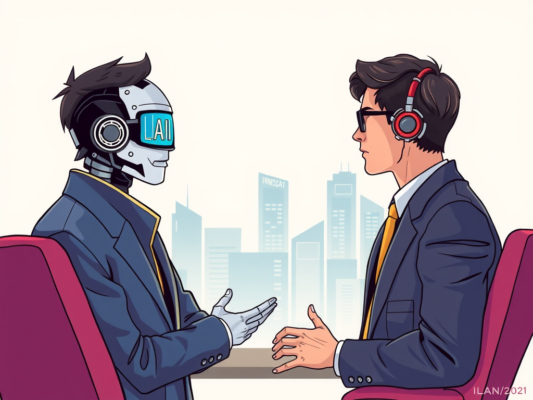
Exploring the Relationship Between AI and Free Will
As we delve into the intriguing realm of artificial intelligence (AI) and its potential impact on human free will, a myriad of questions and debates arise. Can machines truly possess free will? How does the emergence of AI influence our own understanding of autonomy and decision-making? Let's explore the complex relationship between AI and free will, and ponder the implications of this cutting-edge technology on our lives.
One of the key aspects to consider when contemplating AI and free will is the concept of programming. AI systems are designed and built based on algorithms and codes, which determine their decision-making processes. While humans have the ability to make choices based on emotions, intuition, and personal experiences, AI operates within the boundaries of its programming. This raises the question of whether AI can truly exhibit free will or if it is simply following pre-set rules and instructions.
Furthermore, the advancements in AI technology have led to the development of sophisticated machine learning algorithms that can adapt and learn from new data. This ability to constantly evolve and improve raises concerns about the potential autonomy of AI systems and the ethical implications of assigning moral responsibility to machines. As we witness the rapid progress of AI, it becomes imperative to reflect on the impact of these technological advancements on our society and the notion of free will.

The Impact of AI on Free Will: A Thought-Provoking Discussion
The impact of artificial intelligence on free will is a topic that has sparked many thought-provoking discussions in recent years. As AI technology continues to advance at a rapid pace, questions arise about how it may affect our ability to make decisions and exercise free will. Some key points to consider in this discussion include:
– AI algorithms are designed to analyze vast amounts of data and make predictions based on patterns and trends. This raises concerns about whether AI could potentially influence or even control our decision-making processes.
– The rise of AI-powered recommendation systems and personalized advertisements raises questions about how much autonomy we truly have in choosing what to buy, watch, or read.
– On the other hand, proponents argue that AI can enhance our decision-making abilities by providing us with valuable insights and information that we may not have access to otherwise.
Overall, the impact of AI on free will is a complex and multifaceted issue that requires careful consideration and ongoing dialogue. It is essential for us to critically examine the role of AI in shaping our choices and behaviors, while also acknowledging the potential benefits and drawbacks of this technology.
AI Ethics: Navigating the Complexities of Free Will in Technology
In the world of artificial intelligence (AI), the concept of free will is a topic of great debate and complexity. As technology continues to advance at a rapid pace, it is crucial that we carefully navigate the ethical implications of AI and its impact on human autonomy. With the ability of AI systems to make decisions and act autonomously, questions arise about the potential limitations on human free will in a world increasingly governed by technology.
One of the key challenges in addressing the complexities of free will in AI is the balance between the benefits of technological advancement and the potential risks to individual autonomy. As AI systems become more sophisticated and integrated into everyday life, it is essential to consider how these technologies may influence our ability to make choices and exercise control over our own lives.
In order to navigate the ethical dilemmas surrounding free will in technology, it is crucial to establish clear guidelines and regulations for the development and use of AI systems. By promoting transparency, accountability, and ethical design practices, we can ensure that AI technologies enhance human freedom rather than constrain it. Additionally, fostering open dialogue and collaboration between experts in technology, ethics, and philosophy can help to shape a more ethical and responsible approach to the integration of AI into society.
As we continue to explore the potential of AI and grapple with the implications for free will, it is important to approach these complex issues with caution and foresight. By engaging in thoughtful discussions and promoting ethical practices, we can work towards a future where technology and human autonomy can coexist harmoniously. Through careful consideration and proactive measures, we can navigate the complexities of free will in technology and pave the way for a more ethical and human-centered approach to AI development.
Frequently Asked Question
Can artificial intelligence have free will?
Many experts in the field of artificial intelligence believe that AI does not possess free will as humans do. While AI systems can make decisions and perform tasks based on algorithms and data, they lack the ability to make choices or have intentions like humans do. The actions of AI are predetermined by their programming and training data, making them more akin to advanced tools rather than beings with free will.
How does free will relate to artificial intelligence?
The concept of free will is a philosophical and ethical question that raises concerns about responsibility, accountability, and autonomy in AI systems. As AI technology continues to advance, researchers and ethicists are exploring how to design systems that align with human values and principles, even without possessing free will. By incorporating ethical considerations into the development and deployment of AI, we can ensure that these systems operate in a way that is beneficial and safe for society.
What are the implications of AI without free will?
Without free will, AI systems are limited in their ability to adapt to new situations, learn from mistakes, or demonstrate creativity. While these limitations may constrain the capabilities of AI in some ways, they also provide a level of predictability and control that can be beneficial in certain applications, such as autonomous vehicles or medical diagnosis. By understanding the boundaries of AI without free will, we can better manage and leverage this technology for the advancement of society.