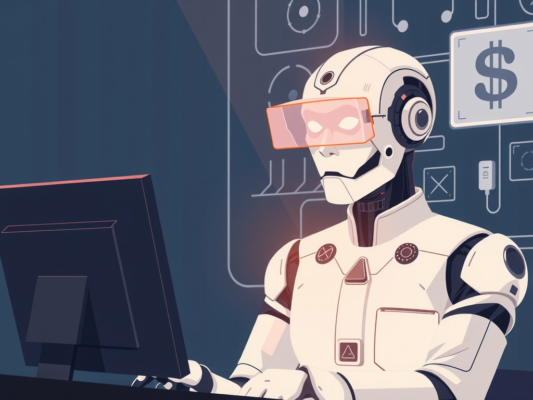
Exploring the Impact of AI on Human Values
As artificial intelligence continues to advance at a rapid pace, it is crucial to explore the impact of AI on human values. The integration of AI technology into various aspects of our lives raises important questions about ethics, morality, and the preservation of human values. Let's delve into how AI is shaping our values and what it means for the future.
One of the key areas where AI is impacting human values is in decision-making processes. AI algorithms are increasingly being used to make important decisions in various fields, such as healthcare, finance, and criminal justice. While AI can offer efficiency and accuracy, there are concerns about the potential bias and lack of transparency in these decision-making processes. It is essential to ensure that AI systems align with human values such as fairness, accountability, and transparency.
Moreover, the rise of AI-powered technologies like virtual assistants and social media algorithms is influencing how we perceive and interact with the world around us. These technologies have the power to shape our beliefs, preferences, and behaviors, raising questions about autonomy and free will. As AI becomes more integrated into our daily lives, it is crucial to reflect on how these technologies are impacting our values and shaping our identities.

Understanding the Ethical Considerations of AI in Relation to Human Values
As artificial intelligence continues to advance at a rapid pace, it's crucial to consider the ethical implications of AI in relation to human values. One of the key challenges is ensuring that AI systems are designed and used in a way that aligns with our moral principles and societal norms. This requires careful attention to how AI technologies are developed, deployed, and regulated to protect human rights, privacy, and autonomy.
When it comes to AI and human values, there are several important considerations to keep in mind:
– Transparency and accountability: AI systems must be transparent in their decision-making processes and accountable for their actions to ensure they align with human values.
– Bias and fairness: It's essential to address biases in AI algorithms to prevent discrimination and ensure fair outcomes for all individuals.
– Privacy and data protection: Protecting personal data and privacy is crucial in the age of AI, as misuse of data can have serious ethical implications.
– Safety and security: AI systems must be designed to prioritize the safety and security of individuals to prevent harm and promote well-being.
– Human control and oversight: Maintaining human control over AI systems is essential to ensure that they are used in ways that benefit society and respect human values.
By addressing these ethical considerations and prioritizing human values in the development and deployment of AI technologies, we can harness the potential of AI to improve our lives while upholding our ethical responsibilities as creators and users of these powerful tools.
The Intersection of AI and Human Values: A Critical Analysis
The rapid advancement of Artificial Intelligence (AI) technology has raised various ethical and moral concerns regarding how these intelligent systems interact with human values. As AI continues to become more integrated into our daily lives, it is crucial to critically analyze the intersection of AI and human values to ensure that these technologies align with our ethical principles and beliefs.
One of the key challenges in this intersection is the potential for AI systems to inadvertently conflict with human values. As AI algorithms are designed to optimize for specific goals or objectives, there is a risk that these systems may prioritize efficiency or accuracy over ethical considerations. This can lead to unintended consequences that may harm individuals or society as a whole.
Another important aspect to consider is the impact of AI on human decision-making and behavior. As AI systems become more advanced and capable of performing tasks traditionally done by humans, there is a concern that these technologies may influence our values and beliefs. It is essential to reflect on how AI can shape our moral compass and ensure that these systems are designed in a way that respects and upholds human values.
In conclusion, the intersection of AI and human values presents a complex and multifaceted challenge that requires careful consideration and analysis. By critically evaluating the ethical implications of AI technology and prioritizing human values in the development and deployment of these systems, we can ensure that AI aligns with our moral principles and contributes to a more ethical and sustainable future.
Frequently Asked Question
What is the importance of AI in influencing human values?
AI plays a crucial role in shaping human values by impacting how we interact with technology and each other. With the increasing integration of AI in various aspects of our lives, it is essential to consider the ethical implications and ensure that AI aligns with our core values as a society.
How can AI promote ethical decision-making and values in society?
AI can help promote ethical decision-making by providing valuable insights and data-driven solutions. By incorporating ethical principles into AI algorithms and systems, we can ensure that decisions align with our values and priorities as a society.
What are the potential risks of AI in relation to human values?
One of the potential risks of AI is the possibility of bias and discrimination in decision-making processes. It is crucial to address these issues and ensure that AI systems are designed and implemented in a way that respects human dignity and values.
How can we ensure that AI technologies prioritize human values?
Ensuring that AI technologies prioritize human values requires a collaborative effort between policymakers, technologists, and society as a whole. By establishing clear guidelines and regulations, we can hold AI accountable for upholding ethical standards and human values.