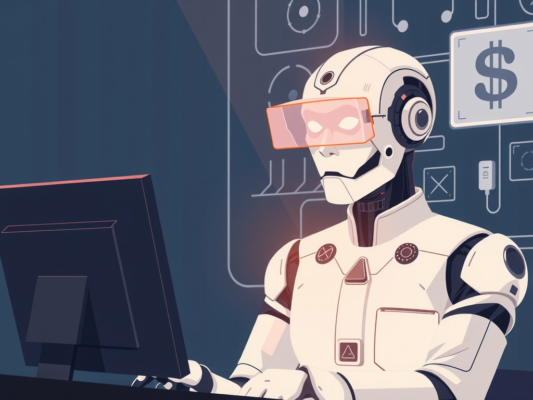
The Moral Implications of AI's Influence on Power Dynamics
Artificial intelligence has become a powerful tool in shaping various aspects of our society, including power dynamics. As AI continues to evolve and play a more significant role in decision-making processes, it raises important ethical questions about its influence on power structures. One of the key moral implications of AI's impact on power dynamics is the potential for bias and discrimination to be perpetuated through automated systems. AI algorithms are only as unbiased as the data they are trained on, which means that if the data is flawed or biased, the AI system will reflect those biases in its decision-making processes. This can have serious consequences for marginalized groups who may already face discrimination in society. AI's influence on power dynamics also raises concerns about accountability and transparency. As AI systems become more autonomous and make decisions that impact individuals and communities, it becomes crucial to ensure that there is clear accountability for those decisions. Transparency in how AI algorithms are designed and implemented is essential to ensuring that power is not concentrated in the hands of a few who control these systems. Additionally, the use of AI in power dynamics raises questions about the potential for manipulation and control. AI systems are incredibly powerful tools that can be used to influence and manipulate individuals' behaviors and decisions. This raises concerns about the ethical implications of using AI to exert power over others and the potential for abuse of that power. In conclusion, the moral implications of AI's influence on power dynamics highlight the need for careful consideration of how these systems are designed, implemented, and regulated to ensure that they uphold ethical standards and promote fairness and equality in society.
Exploring the Ethical Boundaries of AI's Impact on Power Structures
As artificial intelligence (AI) continues to advance, questions surrounding its impact on power structures and ethics are becoming increasingly important. AI has the potential to revolutionize industries, change how we interact with technology, and even reshape societal norms. However, with this power also comes responsibility. It is crucial to explore the ethical boundaries of AI's influence on power structures to ensure that its development is done in a way that is fair, transparent, and benefits society as a whole.

One key ethical consideration when discussing AI and power is the potential for bias in AI algorithms. These algorithms are often trained on large data sets, which can inadvertently perpetuate existing biases and inequalities. For example, if an AI system is used in hiring practices, it may unknowingly favor certain demographics over others, leading to discrimination. It is essential for developers and policymakers to address these biases and ensure that AI is used in a way that promotes fairness and equality.
Another important ethical concern is the potential for AI to concentrate power in the hands of a few individuals or organizations. As AI becomes more advanced, those who control the technology may also control significant aspects of society, such as access to information, resources, and decision-making processes. This concentration of power can lead to ethical dilemmas, such as questions of accountability and transparency. It is crucial for stakeholders to consider these implications and work towards creating a more equitable and democratic AI landscape.
Examining the Intersection of Ethics and Power in the Age of Artificial Intelligence
In today's rapidly evolving technological landscape, the rise of Artificial Intelligence has brought to light important questions about ethics and power. As AI continues to advance, it becomes increasingly crucial to examine the intersection of these two critical concepts.
AI has the power to revolutionize industries, improve efficiency, and enhance our daily lives. However, with great power comes great responsibility. It is essential to consider the ethical implications of AI's increasing influence on society.
When exploring the relationship between ethics and power in the age of Artificial Intelligence, it is important to address key issues such as:
– Bias and discrimination in AI algorithms
– Privacy concerns and data security
– Accountability and transparency in decision-making processes
Ultimately, it is crucial to navigate the ethical challenges posed by AI in a way that upholds human values and promotes fairness and equality. By examining the intersection of ethics and power in the age of Artificial Intelligence, we can work towards a future where AI serves as a force for good in society.
Frequently Asked Question
AI and the Ethics of Power
As artificial intelligence continues to advance, questions about the ethics of power have become more prevalent. The potential for misuse of AI technology raises concerns about how power is wielded in society. It is crucial for developers, policymakers, and the public to consider the ethical implications of AI and ensure that power is used responsibly.
The Impact of AI on Society
The impact of AI on society is far-reaching, affecting everything from employment to privacy to healthcare. As AI becomes more integrated into daily life, it is important to consider how this technology will shape our society and the ethical dilemmas that may arise. Regulation and transparency are key factors in ensuring that AI benefits society as a whole.
Addressing Bias in AI
One of the biggest challenges in AI is addressing bias. Algorithmic bias can perpetuate discrimination and inequality in society. It is essential for developers to mitigate bias in AI systems by testing and auditing algorithms to ensure fairness. Ethical considerations must be at the forefront of AI development to create equitable and unbiased technologies.
The Role of Transparency in AI
Transparency is crucial in AI development to build trust with users and address ethical concerns. Openness about how AI systems work, including their data sources and decision-making processes, is essential for accountability and responsible use of AI. Transparency also helps users understand how AI technologies may affect them and allows for ethical oversight to be implemented.