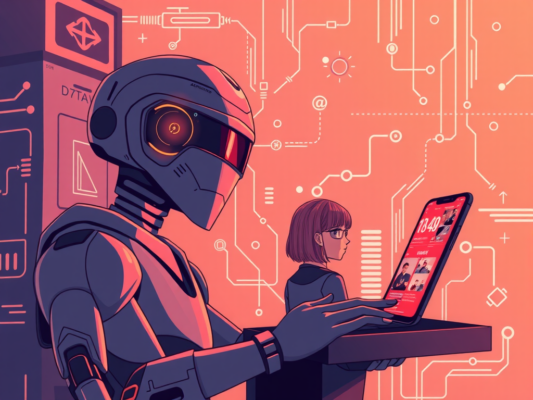
The Impact of Artificial Intelligence on Long-Term Risks
The rise of artificial intelligence (AI) has brought about numerous benefits and advancements across various industries. However, it also poses potential long-term risks that need to be carefully considered. One of the key impacts of AI on long-term risks is the potential for job displacement. As AI technology continues to advance, there is a growing concern that automation could lead to the loss of jobs in certain industries, leading to economic instability and social challenges. Additionally, there are ethical concerns surrounding the use of AI, such as privacy issues, biases in algorithms, and the potential for misuse of AI technology for malicious purposes. It is crucial for policymakers, researchers, and industry leaders to collaborate and address these risks proactively to ensure a sustainable and responsible deployment of AI technologies in the future.
Addressing Long-Term Risks in the Age of Artificial Intelligence
In the age of Artificial Intelligence, it is crucial to address the long-term risks that come with this rapidly evolving technology. As AI continues to advance and become more integrated into our daily lives, it is essential to consider the potential consequences and safeguards that need to be put in place.

One of the key long-term risks of AI is the potential for job displacement. As AI becomes more sophisticated, it has the potential to automate tasks currently performed by humans, leading to job losses in certain industries. It is important for policymakers and businesses to consider strategies for retraining and upskilling workers to adapt to these changes.
Another long-term risk of AI is the potential for bias and discrimination in algorithms. AI systems are only as good as the data they are trained on, and if that data is biased, it can lead to discriminatory outcomes. It is essential for developers and organizations to ensure that AI systems are trained on diverse and unbiased data to prevent these issues.
In addition to these risks, there is also the concern of AI systems becoming too powerful and potentially out of control. This is often referred to as the “AI alignment problem,” where AI systems may not align with human values and goals. It is crucial for researchers and policymakers to work together to ensure that AI systems are designed with human values in mind to prevent any unintended consequences.
Overall, addressing long-term risks in the age of Artificial Intelligence requires a collaborative effort from all stakeholders. By being proactive and considering the potential risks and consequences of AI, we can ensure that this technology is used responsibly and ethically for the benefit of society.
Understanding the Potential Risks of AI in the Long-Term Future
As we continue to advance in the field of artificial intelligence (AI), it is crucial to consider the potential risks that may arise in the long-term future. While AI has the potential to revolutionize industries and improve our daily lives, there are also concerns about the consequences it may bring. Understanding these risks is essential to ensure that we can harness the power of AI responsibly and ethically.
One of the main risks associated with AI in the long-term future is the potential for job displacement. As AI technology becomes more sophisticated, there is a fear that many traditional jobs may be automated, leading to mass unemployment. It is important for policymakers and businesses to consider how to mitigate these risks and ensure that workers are equipped with the skills needed to succeed in an AI-driven world.
Another concern is the potential for AI to be used maliciously, whether it be through cyber-attacks, surveillance, or even the development of autonomous weapons. As AI systems become more autonomous and capable of making decisions on their own, there is a risk that they may be used for nefarious purposes. It is essential for regulations to be put in place to prevent the misuse of AI technology.
Frequently Asked Question
What is the connection between AI and Long-Term Risk?
AI and Long-Term Risk are interconnected as the development and deployment of artificial intelligence technologies can potentially pose risks to society in the long term. These risks may include issues related to ethics, safety, security, and the impact of AI on jobs and the economy. It is crucial to address these risks proactively to ensure that AI benefits humanity while minimizing potential harm.
How can Long-Term Risks associated with AI be mitigated?
There are several ways to mitigate Long-Term Risks associated with AI, including implementing robust regulations and oversight mechanisms, promoting transparency and accountability in AI development, fostering collaboration between industry, academia, and government, and prioritizing ethical considerations in AI research and deployment. By taking these measures, we can reduce the likelihood of potential risks and ensure that AI technology is developed and used responsibly.
What role does research play in addressing Long-Term Risks of AI?
Research plays a crucial role in addressing Long-Term Risks of AI by identifying potential risks, developing strategies to mitigate them, and advancing our understanding of the ethical, safety, and societal implications of AI technology. By investing in research on AI safety and ethics, we can enhance our ability to anticipate and address potential risks before they become significant threats to society.