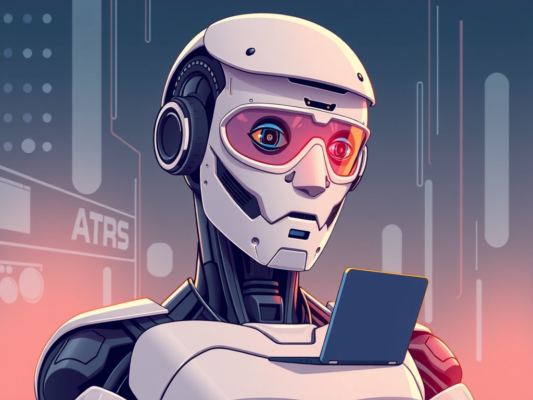
How AI is Revolutionizing the Workplace and Redefining Traditional Work
Artificial Intelligence (AI) is reshaping the way we work, challenging traditional notions of employment and redefining the workplace as we know it. With advancements in AI technology, tasks that were once performed by humans are now being automated, leading to increased efficiency and productivity in various industries. AI is revolutionizing the workplace by:
– Streamlining processes and reducing the need for manual labor
– Increasing accuracy and precision in tasks
– Providing real-time insights and data analysis
– Enhancing decision-making capabilities for businesses
– Creating new job opportunities in AI-related fields
As AI continues to evolve, it is clear that the future of work will be drastically different from what we have known. This shift towards automation and AI integration presents both challenges and opportunities for individuals and organizations alike. The key to thriving in this new era of work will be adaptability, creativity, and a willingness to embrace change. The rise of AI is not the end of traditional work, but rather a new beginning that requires us to rethink how we approach employment and innovation in the digital age.

The Impact of Artificial Intelligence on the Future of Employment
With the rapid advancements in artificial intelligence (AI), the future of employment is undergoing a significant transformation. AI has the potential to revolutionize industries and change the way we work. One of the key impacts of AI on the future of employment is the automation of routine tasks. As AI technology continues to improve, more jobs that involve repetitive and predictable tasks are at risk of being replaced by machines. This shift will likely lead to a restructuring of the labor market and a redistribution of job roles. It is essential for individuals to adapt to these changes and acquire new skills to remain competitive in the evolving job market.
AI also has the potential to create new job opportunities in emerging fields. As technology continues to advance, new roles will be created that require human skills such as creativity, critical thinking, and emotional intelligence. These jobs may involve tasks that are difficult for machines to replicate, such as complex problem-solving or empathetic communication. In order to thrive in the future workforce, individuals will need to develop these unique skills that set them apart from AI-powered systems. By embracing the opportunities that AI presents, individuals can position themselves for success in the changing employment landscape.
Embracing Change: How AI is Transforming the Traditional Work Landscape
As we move further into the 21st century, the rise of artificial intelligence (AI) is drastically reshaping the traditional work landscape. Embracing change is essential as AI continues to transform the way we work and interact with technology. Here are some key ways in which AI is revolutionizing the traditional work environment:
– Automation of routine tasks: AI has the capability to automate repetitive and mundane tasks, allowing employees to focus on more strategic and creative aspects of their work.
– Improved efficiency and productivity: By streamlining processes and providing real-time data analysis, AI can significantly boost efficiency and productivity in the workplace.
– Enhanced decision-making: AI algorithms can analyze vast amounts of data to provide valuable insights and support better decision-making processes.
– Personalized user experiences: AI-powered technologies can tailor experiences to individual preferences, leading to more personalized interactions with customers and clients.
Overall, embracing the transformative power of AI in the traditional work landscape is crucial for staying competitive and adapting to the rapidly evolving technological landscape.
Frequently Asked Question
What is the impact of AI on traditional work?
AI is revolutionizing traditional work by automating repetitive tasks and increasing efficiency. As a result, some jobs may become obsolete while new opportunities in AI-related fields emerge. Adaptability is key in this changing landscape, as workers need to acquire new skills to stay relevant.
How will AI affect job security?
AI may lead to job displacement in certain industries, but it also creates new job opportunities in AI development, data analysis, and other tech-related fields. Continuous learning and upskilling will be essential for maintaining job security in the age of AI.
Can AI completely replace human workers?
While AI can perform certain tasks more efficiently than humans, it is unlikely to completely replace human workers. Human creativity, critical thinking, and emotional intelligence are still valuable skills that AI cannot replicate. Collaboration between humans and AI is likely to be the future of work.
How can workers prepare for the impact of AI?
Workers can prepare for the impact of AI by embracing lifelong learning, gaining skills in AI-related technologies, and staying adaptable to changing job requirements. Building resilience and flexibility will be crucial in navigating the evolving job market influenced by AI.