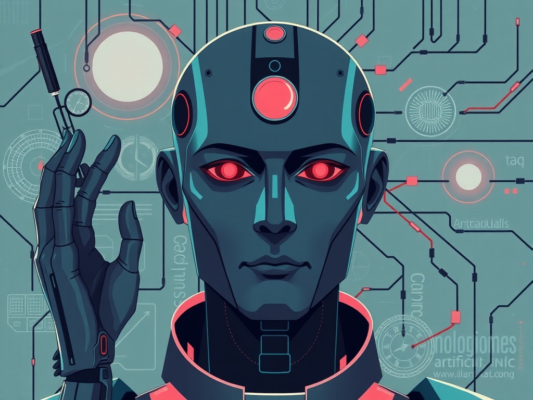
The Moral Dilemma of Artificial Intelligence Creation
As we delve deeper into the realm of artificial intelligence (AI), we are faced with a moral dilemma that questions the very essence of creation. The concept of creating machines that mimic human intelligence raises ethical concerns that cannot be ignored. The creation of AI brings about a myriad of questions regarding the responsibilities of its creators and the potential consequences of its existence.
One of the main ethical concerns surrounding the creation of AI is the issue of accountability. As AI becomes more advanced, it is crucial to consider who should be held responsible for the actions of these intelligent machines. Should it be the creators, the programmers, or the AI itself? This raises questions about the moral and legal implications of creating AI that is capable of making autonomous decisions.
Another aspect of the moral dilemma of AI creation is the potential impact on society. As AI technology continues to evolve, there is a fear that it may lead to job displacement, privacy concerns, and even the potential for AI to outsmart humans. It is essential to consider how AI will be integrated into society in a way that benefits humanity as a whole, rather than causing harm or division.

Exploring the Ethical Implications of AI Development
The development of artificial intelligence (AI) brings with it a myriad of ethical implications that must be carefully considered. As we delve deeper into the world of AI, it is important to explore the ethical implications of creating such advanced technologies.
One of the key ethical considerations surrounding AI development is the potential for bias to be built into these systems. AI algorithms are created by humans, and as such, they can inadvertently perpetuate biases that exist in society. This raises important questions about how we can ensure that AI is developed in a way that is fair and unbiased, and how we can hold developers accountable for the impacts of their creations.
Another ethical consideration is the potential for AI to replace human workers in certain industries. While AI has the potential to increase efficiency and productivity, it also has the potential to displace workers and contribute to job loss. This raises important questions about how we can ensure that the benefits of AI are distributed equitably, and how we can mitigate the negative impacts on those who may be adversely affected by this technology.
Furthermore, there are ethical concerns surrounding the implications of AI on privacy and security. As AI technologies become increasingly sophisticated, they have the potential to collect and analyze vast amounts of personal data. This raises important questions about how we can ensure that this data is protected and used responsibly, and how we can prevent the misuse of AI for nefarious purposes.
In conclusion, the ethical implications of AI development are vast and complex. It is essential that we carefully consider these implications as we continue to advance in the field of AI, and that we work to ensure that AI is developed and deployed in a way that is ethical and responsible. By addressing these ethical considerations head-on, we can help to ensure that AI is used to benefit society as a whole.
Addressing the Responsibility of AI Creators in Ethical Debates
In the rapidly evolving world of artificial intelligence, it is crucial to address the responsibility of AI creators in ethical debates. The creators of AI systems hold a significant amount of power in shaping the impact of these technologies on society. It is essential for them to consider the ethical implications of their creations and take proactive steps to ensure that their AI systems are developed and implemented responsibly.
When discussing the responsibility of AI creators in ethical debates, several key points should be considered:
– Transparency: AI creators should be transparent about how their systems work and the data they use to make decisions. This transparency helps build trust in AI technologies and allows for greater accountability.
– Accountability: Creators of AI systems should be held accountable for the outcomes of their creations. They should consider the potential impacts of their AI systems on society and take steps to mitigate any potential harm.
– Bias: AI creators must be aware of the potential for bias in their systems and take steps to address and mitigate bias. This includes ensuring diverse data sets are used in training AI models and regularly testing for bias in AI systems.
Overall, addressing the responsibility of AI creators in ethical debates is essential for ensuring that AI technologies are developed and implemented in a way that benefits society as a whole. By considering transparency, accountability, and bias, AI creators can help shape a future where AI technologies are used responsibly and ethically.
Frequently Asked Question
What are the ethical considerations when creating AI?
When creating AI, it is important to consider the ethical implications of its development and implementation. Ethical considerations include issues such as privacy, bias, transparency, and accountability. Developers must ensure that AI systems are designed and used in a way that respects human rights and values.
How can bias be addressed in AI creation?
Bias in AI can be addressed through algorithmic transparency and diverse data sets. By ensuring that AI algorithms are transparent and that training data is diverse and representative, developers can reduce the risk of bias in AI systems.
What role does regulation play in AI creation?
Regulation plays a crucial role in ensuring that AI is developed and used responsibly. Regulatory frameworks can help to address ethical concerns, protect privacy, and ensure accountability in the creation and deployment of AI technologies.
How can AI creators ensure accountability?
AI creators can ensure accountability by implementing oversight mechanisms and ethical guidelines in the design and development of AI systems. By promoting transparency and accountability, developers can help to build trust in AI technologies.
What are the potential risks of unethical AI creation?
The potential risks of unethical AI creation include privacy violations, discriminatory outcomes, and loss of human control over AI systems. It is important for developers to consider these risks and take steps to mitigate them in the creation of AI.