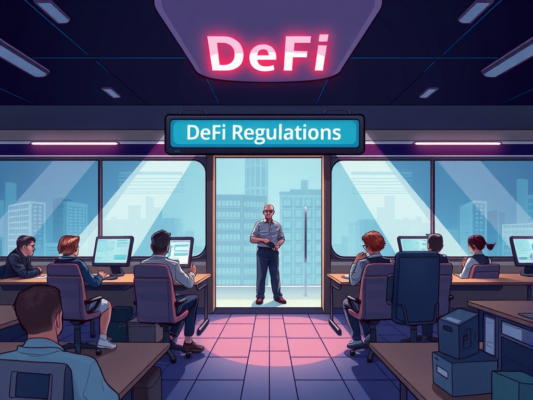
The Impact of Government Regulations on DeFi Platforms
Government regulations have a significant impact on decentralized finance (DeFi) platforms, affecting how they operate and the services they offer. One major effect of government regulations on DeFi platforms is the requirement for KYC (Know Your Customer) and AML (Anti-Money Laundering) procedures. These regulations aim to prevent illegal activities such as money laundering and terrorist financing. DeFi platforms must comply with these regulations to ensure the safety and security of their users' funds.
Understanding the Role of Governments in Regulating DeFi
When it comes to DeFi, or decentralized finance, governments play a crucial role in regulating the space to ensure financial stability and protect investors. Understanding the role of governments in regulating DeFi is essential for users and developers alike. Governments regulate DeFi in the following ways:

- Setting guidelines and regulations: Governments establish rules and regulations that DeFi platforms must adhere to in order to operate legally. These guidelines help protect users from fraud and ensure that DeFi platforms are operating fairly and transparently.
- Monitoring and enforcement: Governments monitor the DeFi space to ensure compliance with regulations. They have the authority to enforce penalties on platforms that violate regulations, such as fines or shutdowns. This enforcement helps maintain the integrity of the DeFi ecosystem.
- Promoting innovation: While governments regulate DeFi to protect users, they also aim to promote innovation in the space. By creating a regulatory framework that encourages innovation, governments can help drive growth and development in the DeFi sector.
Compliance Challenges Faced by DeFi Projects Due to Government Regulations
DeFi projects face numerous compliance challenges when it comes to navigating government regulations. One of the main issues is the lack of clarity and consistency in regulations across different jurisdictions. This can make it difficult for DeFi projects to ensure they are following the rules and avoid potential legal repercussions. Additionally, the decentralized nature of DeFi platforms can make it challenging for regulators to enforce compliance, leading to uncertainty for both projects and users. DeFi projects must also take into account the evolving regulatory landscape and be prepared to adapt to changes in order to stay compliant and avoid risks.
Frequently Asked Question
Overview of Government Regulation of DeFi
When it comes to government regulation of DeFi, it's important to understand that decentralized finance operates outside traditional financial systems. As a result, governments around the world are increasingly looking to regulate DeFi platforms to ensure compliance with existing laws and regulations. This includes measures such as KYC (Know Your Customer) and AML (Anti-Money Laundering) procedures to prevent illicit activities.
Impact of Government Regulations on DeFi Platforms
The impact of government regulations on DeFi platforms can vary depending on the jurisdiction. Some countries have embraced DeFi and are working to create clear regulatory frameworks to support its growth. Others have taken a more cautious approach, imposing restrictions or outright bans on DeFi activities. These regulatory actions can significantly affect the operations and accessibility of DeFi platforms for users.
Challenges Faced by Governments in Regulating DeFi
One of the main challenges faced by governments in regulating DeFi is the decentralized nature of these platforms. Unlike traditional financial institutions, DeFi platforms operate on blockchain technology and are not controlled by a central authority. This makes it difficult for regulators to enforce laws and monitor activities effectively. Additionally, the fast-paced and innovative nature of DeFi can pose challenges in keeping up with new developments and potential risks.
Future of Government Regulation in the DeFi Space
The future of government regulation in the DeFi space remains uncertain as regulators grapple with the complexities of decentralized finance. Some experts believe that a balance must be struck between promoting innovation and protecting consumers and investors. As DeFi continues to evolve, it is likely that governments will seek to adapt their regulatory approaches to address emerging challenges and opportunities in the space.