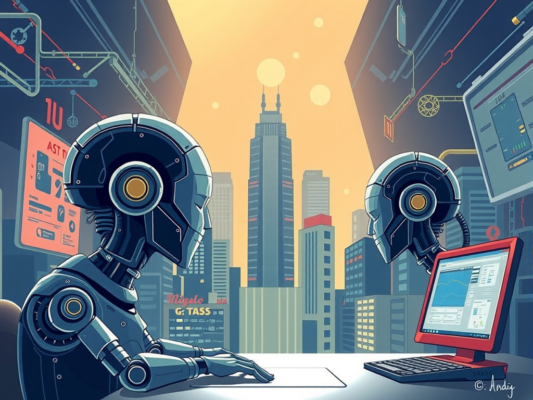
The Impact of Artificial Intelligence on Post-Scarcity Economy
Artificial Intelligence (AI) is revolutionizing the way we think about the economy in the era of post-scarcity. With the ability to analyze vast amounts of data and make decisions at speeds far beyond human capability, AI is reshaping the way we produce, distribute, and consume goods and services. The impact of AI on the post-scarcity economy is profound and far-reaching.
One of the key impacts of AI on the post-scarcity economy is the potential to eliminate scarcity altogether. By optimizing production processes, predicting consumer demand, and reducing waste, AI has the ability to ensure that there are enough resources to meet the needs of everyone on the planet. This could lead to a future where scarcity is a thing of the past, and everyone has access to the goods and services they need to thrive.
AI is also changing the way we work and interact with the economy. Automation powered by AI is replacing repetitive and manual tasks, freeing up humans to focus on more creative and strategic endeavors. This shift in the labor force could lead to a more equitable distribution of wealth and resources, as well as new opportunities for innovation and growth.

Exploring the Role of AI in Shaping the Post-Scarcity Economy
AI is revolutionizing the way we think about economics, paving the way for a post-scarcity future where resources are abundant and accessible to all. As AI continues to advance, its role in shaping the post-scarcity economy becomes increasingly important. One of the key ways AI is influencing this shift is through automation, which has the potential to dramatically increase efficiency and productivity in various industries. This could lead to a world where scarcity is no longer a concern, as AI-powered systems can optimize resource allocation and distribution on a global scale.
Furthermore, AI is also driving innovation in areas such as renewable energy, healthcare, and transportation, making it possible to meet the needs of a growing population without depleting finite resources. By leveraging AI technologies like machine learning and predictive analytics, businesses can better anticipate consumer demands and adapt their production processes accordingly. This not only reduces waste but also ensures that resources are used more sustainably, contributing to a more equitable distribution of wealth and resources.
In addition, AI has the potential to democratize access to education and information, leveling the playing field for individuals from all walks of life. By providing personalized learning experiences and tailored recommendations, AI can help people acquire new skills and knowledge, empowering them to participate more fully in the economy. This democratization of information can also lead to the creation of new opportunities and industries, further accelerating the transition towards a post-scarcity economy.
In conclusion, AI is playing a crucial role in shaping the post-scarcity economy by driving efficiency, innovation, and democratization. As we continue to harness the power of AI, we have the potential to create a world where scarcity is no longer a barrier to progress, and where everyone has the opportunity to thrive. With AI as our ally, the possibilities for a more abundant and equitable future are endless.
How AI is Revolutionizing the Post-Scarcity Economy Landscape
AI is fundamentally changing the way we think about scarcity and abundance in the economy. With the advent of advanced machine learning algorithms and deep learning techniques, AI is enabling businesses to optimize their production processes, reduce waste, and streamline operations like never before. This increased efficiency is leading to a shift towards a post-scarcity economy, where resources are allocated more effectively, and everyone's needs can be met without overconsumption or depletion of natural resources.
One of the key ways AI is revolutionizing the post-scarcity economy landscape is through predictive analytics. By analyzing vast amounts of data in real-time, AI can predict demand trends, identify potential bottlenecks in the supply chain, and suggest strategies for optimizing resource allocation. This proactive approach to resource management is helping businesses operate more sustainably and efficiently, ultimately contributing to the transition towards a post-scarcity economy.
Furthermore, AI-powered automation is playing a crucial role in reshaping the labor market in the post-scarcity economy. By taking over repetitive tasks and providing insights for decision-making, AI is freeing up human workers to focus on more creative and strategic endeavors. This not only increases productivity but also enhances job satisfaction and overall well-being in the workforce.
Frequently Asked Question
AI and Post-Scarcity Economy FAQ
Artificial Intelligence (AI) is revolutionizing the way we work and live, with the potential to create a Post-Scarcity Economy where resources are abundant and accessible to all. This shift towards a future of abundance is driven by advancements in technology, automation, and the potential of AI to optimize resource allocation and distribution. In this FAQ, we will explore the intersection of AI and Post-Scarcity Economy and address common questions regarding this transformative era.
How is AI shaping the Post-Scarcity Economy?
AI is reshaping the Post-Scarcity Economy by enabling efficient resource management, predictive analytics, and automation of various tasks. Through machine learning algorithms, AI can optimize production processes, reduce waste, and enhance decision-making capabilities. This leads to a more sustainable and equitable distribution of resources, laying the foundation for a future where scarcity is no longer a defining factor. The integration of AI in various industries is accelerating the transition towards a Post-Scarcity Economy, where resource abundance and accessibility are prioritized.
What are the benefits of AI in a Post-Scarcity Economy?
The benefits of AI in a Post-Scarcity Economy are vast, including increased efficiency, productivity, and innovation. AI can streamline operations, minimize human error, and optimize resource utilization, leading to cost savings and improved scalability. Moreover, AI-powered technologies can enhance the quality of goods and services, personalize customer experiences, and drive sustainable growth. By harnessing the power of AI, businesses and societies can unlock new opportunities and create a more inclusive and prosperous future in a Post-Scarcity Economy.
What challenges may arise in the integration of AI in a Post-Scarcity Economy?
While the integration of AI in a Post-Scarcity Economy offers numerous advantages, it also poses certain challenges that need to be addressed. These challenges include ethical considerations surrounding AI algorithms, potential job displacement due to automation, and disparities in access to AI technology. It is crucial to establish regulations, guidelines, and ethical frameworks to ensure the responsible deployment of AI in a Post-Scarcity Economy. Additionally, efforts must be made to upskill the workforce, promote digital literacy, and bridge the digital divide to create a more equitable and sustainable future.