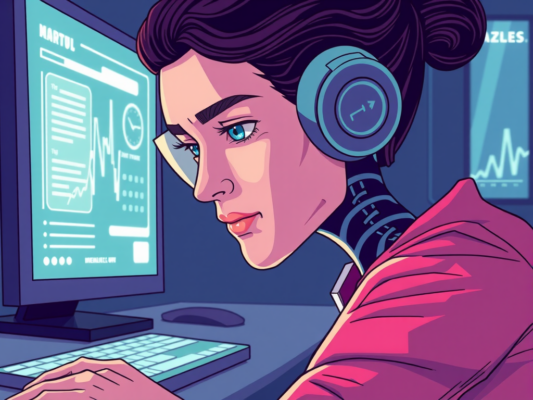
Demystifying the Intersection of AI and Privacy
Artificial Intelligence (AI) has revolutionized the way we interact with technology, but it has also raised concerns about privacy. As AI continues to advance, it is crucial to understand the intersection between AI and privacy to protect personal data and ensure transparency in how it is used. AI algorithms are constantly collecting and analyzing vast amounts of data, which can lead to potential privacy risks if not managed properly.
One of the main challenges in the intersection of AI and privacy is the issue of data protection. With AI systems relying on data to make decisions and predictions, there is a risk of sensitive information being exposed or misused. It is essential for organizations to implement robust data protection measures and adhere to privacy regulations to safeguard user data.
Another key aspect of AI and privacy is the concept of explainability. As AI algorithms become more complex and sophisticated, it is crucial for users to understand how decisions are being made and what data is being used. This transparency is essential for building trust and ensuring that AI systems are accountable for their actions.

In conclusion, demystifying the intersection of AI and privacy is essential for protecting personal data and ensuring ethical AI practices. By implementing strong data protection measures, promoting transparency, and prioritizing user trust, we can navigate the complexities of AI and privacy while reaping the benefits of this transformative technology.
Understanding the Impact of AI on Personal Data Protection
As artificial intelligence (AI) continues to advance, the impact on personal data protection is becoming a major concern for individuals and organizations alike. With the ability to collect and analyze massive amounts of data, AI poses both opportunities and challenges when it comes to privacy. Understanding the implications of AI on personal data protection is crucial in today's digital age.
Some key points to consider when discussing the impact of AI on personal data protection include:
– The use of AI algorithms to process and interpret personal data
– The potential for AI systems to make decisions based on this data
– The importance of ensuring that data used by AI systems is secure and protected
It is essential for individuals and companies to be aware of how AI technologies are affecting the privacy of personal data. By understanding the risks and benefits associated with AI in relation to data protection, we can work towards developing policies and practices that safeguard our privacy in the digital world.
Navigating the Fine Line Between AI Advancements and Privacy Concerns
Navigating the fine line between AI advancements and privacy concerns can be a tricky task in today's digital age. As artificial intelligence continues to revolutionize various industries, it also raises important questions about data privacy and security. Companies are constantly collecting and analyzing vast amounts of personal data to improve AI algorithms, but this comes with potential risks to individuals' privacy. It is crucial to strike a balance between leveraging AI technology for innovation and protecting users' sensitive information.
On one hand, AI has the potential to enhance personalized user experiences and streamline processes. However, on the other hand, there are legitimate concerns about how this technology can infringe on privacy rights. With the ability to collect and analyze massive amounts of data, AI systems may inadvertently expose individuals to privacy breaches and unauthorized access to their personal information. As such, it is essential for businesses and policymakers to implement robust data protection measures and transparency protocols to safeguard user privacy while leveraging AI capabilities.
Ultimately, finding the balance between AI advancements and privacy concerns requires a collaborative effort from all stakeholders. By prioritizing user consent, data security, and ethical AI practices, we can harness the power of artificial intelligence while respecting individuals' privacy rights. As the debate continues to evolve, it is imperative for organizations to stay proactive in addressing privacy concerns and prioritizing data protection in the age of AI.
Frequently Asked Question
What is AI and how does it relate to privacy?
Artificial Intelligence, or AI, refers to the simulation of human intelligence processes by machines. When it comes to privacy, AI can raise concerns about data collection, storage, and usage. Privacy is an essential aspect of AI as it involves the protection of personal information and preventing unauthorized access.
How does AI impact privacy in everyday life?
AI impacts privacy in everyday life by collecting and analyzing vast amounts of data from individuals. This data can be used to make predictions, personalize experiences, and target advertisements. However, this data collection raises concerns about privacy and data security.
What are some examples of AI technologies that raise privacy concerns?
Some examples of AI technologies that raise privacy concerns include facial recognition systems, smart home devices, and predictive analytics tools. These technologies have the potential to invade privacy by collecting and analyzing personal data without consent.
How can individuals protect their privacy in the age of AI?
Individuals can protect their privacy in the age of AI by being cautious about sharing personal information online, using privacy settings on devices and applications, and staying informed about data collection practices. It is essential to be aware of how AI technology is being used and take steps to safeguard personal privacy.