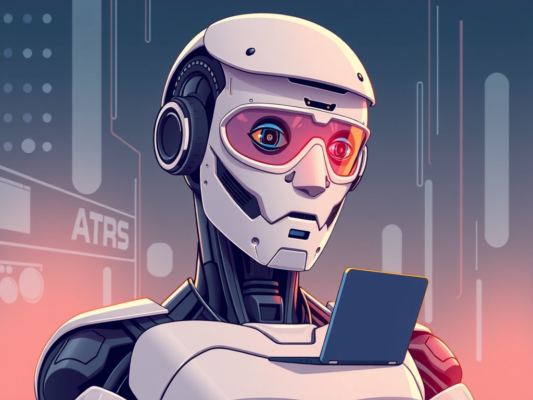
The Impact of AI on the Future Job Market
Artificial Intelligence (AI) is revolutionizing the job market, impacting the way we work and the skills needed for future employment. As AI continues to advance, it brings both challenges and opportunities for workers across various industries. Here are some key points to consider regarding the impact of AI on the future job market:
– AI technology is automating routine tasks, leading to a shift in job roles and the need for new skill sets
– Some jobs may become obsolete as AI can perform certain tasks more efficiently
– On the other hand, AI creates new job opportunities in emerging fields such as data science, machine learning, and AI programming
– Upskilling and reskilling will be crucial for workers to adapt to the changing job market and remain competitive
Skills Needed to Succeed in an AI-Driven Job Market
In order to succeed in an AI-driven job market, there are certain skills that are essential for individuals to possess. Firstly, having a strong foundation in technology is crucial. This includes proficiency in coding languages, data analysis, and understanding how AI systems work. Additionally, having strong problem-solving skills and the ability to think critically are important in navigating the complexities of AI technologies.

Furthermore, being adaptable and open to learning new skills is key in an ever-evolving job market driven by AI. Continuous learning and upskilling will be necessary to stay competitive and relevant. Effective communication skills are also important, as AI professionals often need to collaborate with teams and explain complex concepts to non-technical stakeholders. Lastly, having a strong understanding of ethics and privacy related to AI technologies is essential in ensuring responsible and ethical use of AI in the workplace.
How AI is Reshaping the Employment Landscape
Artificial intelligence (AI) is revolutionizing the employment landscape in ways we never thought possible. With the rapid advancements in technology, AI is reshaping how we work, the skills we need, and the jobs available. Here are some key ways AI is changing the employment landscape:
– Automation of routine tasks: AI is increasingly being used to automate repetitive tasks, freeing up time for employees to focus on more strategic and creative work.
– Creation of new job opportunities: While AI may eliminate some jobs, it is also creating new job opportunities in fields such as data science, machine learning, and AI development.
– Upskilling and reskilling: With the rise of AI, there is a growing need for employees to upskill and reskill to stay relevant in the job market.
– Flexibility and remote work: AI is enabling more flexible work arrangements, allowing employees to work remotely and on a more flexible schedule.
As we navigate this new era of AI-driven technology, it is crucial for individuals and organizations to adapt and embrace the changes to thrive in the future of work.
Frequently Asked Question
What impact will AI have on the future of jobs?
AI is expected to revolutionize the workforce by automating routine tasks and increasing efficiency. While some jobs may be replaced by AI, new roles focusing on data analysis, AI programming, and machine learning will emerge. It is essential for workers to adapt and acquire new skills to stay relevant in the changing job market.
How can individuals prepare for the changes brought by AI?
To prepare for the impact of AI on the future of jobs, individuals should focus on developing critical thinking skills, problem-solving abilities, and digital literacy. Lifelong learning and staying updated on the latest technological advancements are also crucial in staying competitive in the job market.
Will AI completely replace human workers in the future?
While AI has the potential to automate many tasks currently performed by humans, it is unlikely to completely replace human workers. Certain roles that require emotional intelligence, creativity, and human interaction are expected to remain in demand. Instead of replacing humans, AI is more likely to complement human abilities and enhance productivity.
What industries will be most affected by AI in terms of job displacement?
Industries that rely heavily on repetitive tasks and manual labor, such as manufacturing, customer service, and transportation, are expected to be most affected by AI in terms of job displacement. However, new opportunities will also arise in industries that require AI expertise, data analysis, and machine learning skills.
How can businesses leverage AI to create new job opportunities?
Businesses can leverage AI to create new job opportunities by investing in AI research and development, training programs for employees to acquire AI skills, and collaboration between humans and machines. By embracing AI technology, businesses can unlock new possibilities and drive innovation, leading to the creation of new job roles.