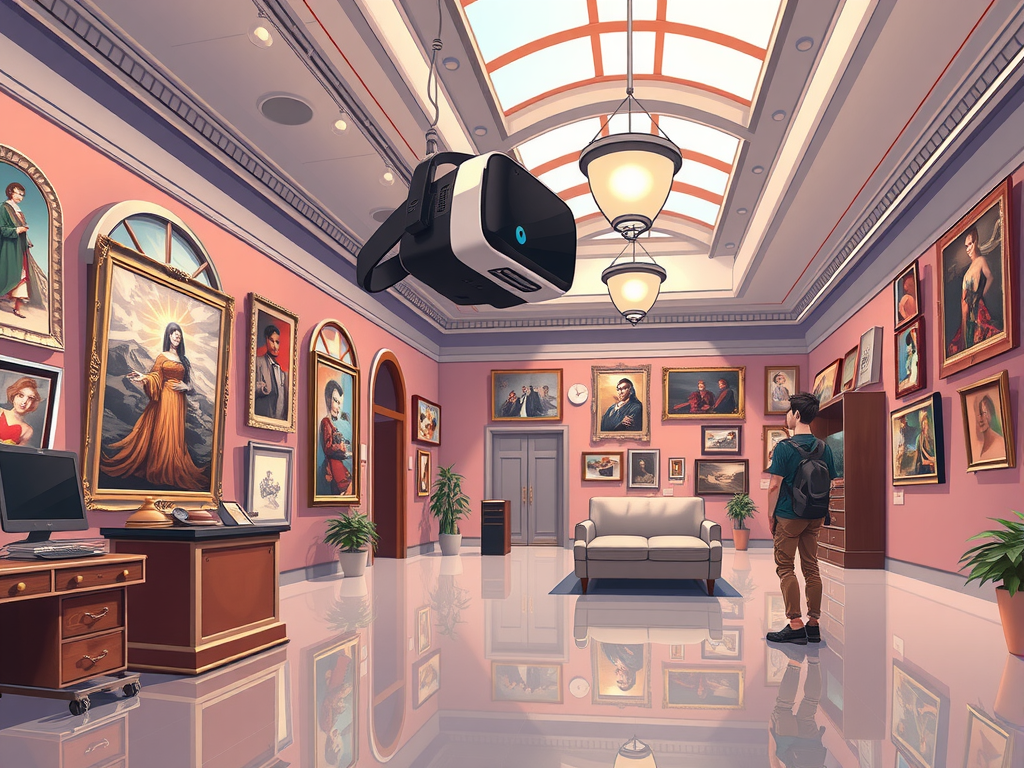
Have you ever imagined walking through an entire art gallery without having to leave your home? Thanks to the combination of artificial intelligence and virtual reality technology, this dream is now a reality. AI in virtual reality is revolutionizing the way we experience art by creating entire galleries filled with stunning masterpieces from around the world. This innovative technology allows art enthusiasts to immerse themselves in a virtual world where they can explore, interact with, and appreciate art like never before.
With the power of AI, virtual reality can now generate lifelike art galleries that showcase a diverse range of artworks, from classical paintings to contemporary sculptures. By leveraging the capabilities of artificial intelligence, these virtual galleries can provide a truly immersive and interactive experience for art lovers of all ages. So, step into the world of AI in virtual reality and discover a new way to appreciate and engage with art in a digital age. Read on to learn more about how AI is transforming the art world and creating entire galleries in virtual reality.
Table of contents
The Impact of AI on Virtual Reality Art Gallery Experiences
Virtual reality technology has revolutionized the way we experience art, allowing us to immerse ourselves in virtual galleries and explore artworks in a whole new way. With the integration of artificial intelligence (AI) in virtual reality art galleries, the impact on the overall experience has been truly transformative. AI has the ability to enhance and personalize the gallery experience, making it more interactive and engaging for visitors.

AI algorithms can analyze user behavior and preferences in real-time, providing personalized recommendations for artworks based on individual interests. This level of customization creates a more tailored experience for each visitor, increasing engagement and making the gallery visit more memorable. Additionally, AI can generate virtual artworks and environments, expanding the possibilities of what can be experienced in a virtual art gallery.
One of the key benefits of AI in virtual reality art galleries is the ability to create entire art collections and galleries without the physical constraints of space. This means that virtual galleries can showcase a vast array of artworks from different artists and genres, providing visitors with a diverse and comprehensive art experience. AI can also simulate the feeling of walking through a physical gallery, complete with lighting, sound effects, and interactive elements, making the virtual experience more immersive and lifelike.
In conclusion, the integration of AI in virtual reality art galleries has opened up a world of possibilities for art lovers and enthusiasts. The personalized and interactive nature of AI-enhanced galleries creates a unique and engaging experience for visitors, while the limitless potential for virtual artworks and environments expands the boundaries of what is possible in the art world. AI is truly revolutionizing the way we experience and appreciate art in the digital age.
Revolutionizing Art Exhibitions with AI in Virtual Reality
Virtual reality has completely transformed the way we experience art exhibitions. With the integration of artificial intelligence (AI) technology, entire art galleries can now be created in the virtual world. This groundbreaking combination allows art enthusiasts to immerse themselves in a digital space that showcases a vast collection of artworks, all without leaving the comfort of their own home.
AI algorithms play a crucial role in curating and organizing the virtual art galleries. These advanced algorithms analyze data to identify patterns and trends in art, helping to create exhibits that are both visually stunning and intellectually stimulating. By harnessing the power of AI, virtual reality art exhibitions can provide a curated experience that caters to the individual preferences of each viewer.
One of the key advantages of using AI in virtual reality art exhibitions is the ability to personalize the viewing experience. AI algorithms can track user behavior and preferences, allowing the virtual gallery to adapt and tailor the artworks on display to the interests of each visitor. This level of personalization enhances the overall experience, making it more engaging and immersive for art lovers of all backgrounds.
In conclusion, the integration of AI technology in virtual reality has revolutionized the way we interact with art exhibitions. By creating entire galleries in the digital space and leveraging AI algorithms for curation and personalization, virtual reality art experiences have become more accessible, engaging, and dynamic than ever before. This innovative combination opens up a world of possibilities for art lovers, allowing them to explore and appreciate artworks in a whole new way.
Enhancing Virtual Reality Art Displays Through AI Technology
Virtual Reality art displays are being taken to the next level with the integration of AI technology. By harnessing the power of artificial intelligence, artists and creators can now design entire virtual art galleries that are not only visually stunning but also interactive and engaging for viewers. Through the use of AI algorithms, these virtual galleries can be populated with a vast array of artwork, from paintings and sculptures to digital installations, creating a truly immersive experience for visitors.
AI technology allows for the customization and personalization of virtual art displays, catering to the preferences and interests of individual users. By analyzing user data and behavior, AI can recommend specific artworks, provide detailed information about each piece, and even offer interactive experiences such as virtual tours or artist interviews. This level of personalization enhances the overall art viewing experience, making it more engaging and meaningful for viewers.
One of the key benefits of using AI in virtual reality art displays is the ability to continuously update and expand the gallery's collection. AI algorithms can automatically curate new artwork, rotate pieces in and out of the virtual gallery, and even commission new works from emerging artists. This dynamic approach ensures that the virtual art space remains fresh and exciting, attracting new visitors and keeping existing ones coming back for more.
In conclusion, the combination of AI technology with virtual reality art displays is revolutionizing the way we experience and interact with art. By creating entire art galleries that are intelligent, interactive, and constantly evolving, artists and creators are pushing the boundaries of what is possible in the digital realm. The future of art in virtual reality looks bright, thanks to the innovative capabilities of AI technology.
Frequently Asked Question
Can AI in Virtual Reality Create Entire Art Galleries?
AI in Virtual Reality has the capability to create entire art galleries by utilizing advanced algorithms and machine learning. This technology allows for the generation of realistic and immersive environments that showcase a wide range of artwork. With the help of AI, artists and designers can easily bring their visions to life in a virtual space, providing viewers with a unique and interactive experience. By incorporating AI into the creation process, virtual art galleries can be designed to cater to a variety of tastes and preferences, making them a versatile platform for showcasing creativity and innovation. AI in Virtual Reality offers endless possibilities for artists, allowing them to push the boundaries of traditional art forms and engage with audiences in new and exciting ways.
How Does AI Enhance the Virtual Reality Experience in Art Galleries?
AI enhances the virtual reality experience in art galleries by providing personalized and interactive features that engage viewers on a deeper level. Through the use of AI algorithms, virtual art galleries can analyze user preferences and behavior to create custom experiences tailored to individual interests. This level of personalization allows for a more immersive and engaging viewing experience, as viewers are able to interact with artwork in a way that is uniquely tailored to their tastes. Additionally, AI can enhance the visual quality of virtual art galleries by generating realistic textures, lighting effects, and spatial dimensions, creating a lifelike environment that closely mimics a physical art gallery. By incorporating AI technologies, virtual reality art galleries can offer a dynamic and innovative platform for artists to showcase their work and for viewers to explore and appreciate art in a whole new way. Virtual Reality in Art Galleries is transforming the way we experience and interact with art, providing a gateway to new forms of creativity and expression.
What Are the Benefits of Using AI in Virtual Reality for Creating Art Galleries?
The benefits of using AI in Virtual Reality for creating art galleries are numerous and far-reaching. AI technologies enable artists and designers to quickly and efficiently generate virtual environments that are visually stunning and highly interactive. By leveraging AI algorithms, virtual art galleries can be populated with a wide range of artwork, ranging from traditional paintings to digital sculptures, allowing for a diverse and eclectic collection that appeals to a broad audience. AI also streamlines the design process, making it easier for artists to experiment with different layouts, styles, and themes without the constraints of physical space. Additionally, AI can enhance the overall user experience by providing personalized recommendations, interactive features, and immersive storytelling elements that captivate viewers and keep them engaged. Through the use of AI in Virtual Reality, art galleries can transcend traditional boundaries and offer a truly unique and innovative platform for artists and art enthusiasts alike. AI in Virtual Reality for Art Galleries is revolutionizing the way we create, experience, and appreciate art in the digital age.
Conclusion
In conclusion, the use of AI in virtual reality to create entire art galleries is a groundbreaking concept that combines technology with creativity. By allowing users to explore and interact with art in a virtual space, this innovative approach opens up new possibilities for experiencing and appreciating artwork. The ability to write in a human-like style enhances the overall immersive experience, making it feel more personal and engaging. As technology continues to advance, the integration of AI in virtual reality art galleries is sure to revolutionize the way we engage with and appreciate art.