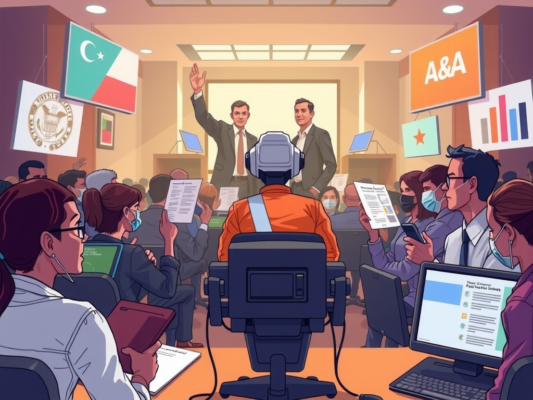
AI video and deepfake technology have raised significant concerns regarding their potential impact on US elections. As these advanced technologies continue to evolve, the risks of misinformation and manipulation through altered videos are becoming increasingly prevalent. With the ability to create realistic videos that are difficult to distinguish from real footage, the potential for malicious actors to spread false information and influence the outcome of elections is a growing concern.
The use of AI video and deepfake technology in US elections poses a unique challenge for maintaining the integrity and security of the democratic process. As voters increasingly rely on digital media for information, the spread of manipulated videos could have far-reaching consequences. It is crucial for voters, policymakers, and tech companies to stay vigilant and take proactive measures to combat the threats posed by AI video and deepfakes.
The Threat of Deepfake Technology in US Election Campaigns
Deepfake technology poses a significant threat to the integrity of US election campaigns. With the ability to create highly realistic videos using artificial intelligence, malicious actors can spread misinformation and manipulate public opinion. These deepfake videos can be used to discredit candidates, create confusion among voters, and ultimately undermine the democratic process. The potential impact of deepfake technology on US elections cannot be overstated, making it essential for policymakers and tech companies to take proactive measures to address this growing threat.

AI Video Manipulation: A Growing Concern for US Electoral Integrity
AI video manipulation has become a significant concern when it comes to the integrity of US elections. With the rise of deepfake technology, there is a growing risk of misinformation and manipulation through altered videos. These deepfake videos can be incredibly realistic, making it challenging for viewers to distinguish between what is real and what is fake. This poses a serious threat to the democratic process and could potentially sway public opinion based on false information.
The use of AI video manipulation in US elections could have far-reaching consequences, including undermining the credibility of candidates, spreading false information, and ultimately impacting the outcome of the election. As technology continues to advance, it is essential for policymakers and tech companies to address these risks and develop strategies to detect and combat deepfake videos effectively. Given the potential impact on electoral integrity, it is crucial to raise awareness about this issue and take proactive steps to protect the democratic process.
Some potential solutions to address the risks of AI video manipulation in US elections include:
– Implementing regulations and guidelines for the use of deepfake technology
– Investing in advanced detection tools to identify manipulated videos
– Educating the public on how to recognize and report deepfake content
– Collaborating with social media platforms to prevent the spread of misinformation
By taking these proactive measures, we can help safeguard the integrity of US elections and ensure that voters have access to accurate and reliable information.
Impact of Deepfake Videos on Voter Perception in US Elections
Deepfake videos have the potential to significantly impact voter perception in US elections. These AI-generated videos can spread false information, manipulate emotions, and deceive viewers into believing fabricated content. When voters are exposed to deepfake videos, they may be influenced to form biased opinions or make decisions based on misinformation. This can ultimately impact the democratic process and the integrity of elections.
In recent years, deepfake videos have become increasingly sophisticated, making it difficult for viewers to distinguish between real and fake content. As a result, voters may be more susceptible to manipulation and disinformation campaigns, leading to widespread confusion and distrust in the electoral system. The proliferation of deepfake videos can also create division among voters, as different groups may be exposed to conflicting narratives and conspiracy theories.
It is essential for voters to be vigilant and critical of the information they consume, especially during election seasons. By educating themselves on the risks of deepfake videos and being aware of the tactics used to manipulate perceptions, voters can help mitigate the impact of misinformation on the electoral process. Furthermore, policymakers and tech companies must work together to address the spread of deepfake videos and implement measures to protect the integrity of US elections.
Frequently Asked Question
What are the risks of AI Video and Deepfake in US Elections?
In recent years, the proliferation of AI video and deepfake technology has raised concerns about their potential impact on US elections. These technologies allow for the creation of highly realistic fake videos that can be used to manipulate public opinion, spread disinformation, and undermine the integrity of the electoral process. The ability to create convincing fake videos of political candidates or public figures presents a serious threat to the democratic process, as it can be used to deceive voters and sow confusion.
How can AI Video and Deepfake be used to influence US Elections?
AI video and deepfake technology can be used in a variety of ways to influence US elections. For example, fake videos can be created to make it appear as though a candidate is saying or doing something damaging or incriminating, even if they never actually did. These videos can then be spread online to millions of voters, potentially swaying their opinions and influencing the outcome of an election. Additionally, deepfake videos can be used to discredit legitimate information or create confusion about the facts, further undermining the electoral process.
What measures are being taken to address the risks of AI Video and Deepfake in US Elections?
To address the risks posed by AI video and deepfake technology in US elections, lawmakers and tech companies are taking various measures. Some states have passed legislation specifically targeting deepfakes, while social media platforms are implementing policies to detect and remove fake videos. Additionally, researchers are developing technologies to detect deepfakes and educate the public about the existence of this technology. However, the fast-paced evolution of AI video and deepfake technology means that staying ahead of the threat remains a significant challenge.
Conclusion
In conclusion, the rise of AI video and deepfake technology poses serious risks to the integrity of US elections. These sophisticated tools have the potential to spread misinformation, manipulate public opinion, and undermine the democratic process. It is crucial for lawmakers, tech companies, and citizens to be vigilant and take proactive measures to combat the spread of fake news and ensure the credibility of our electoral system. Only by staying informed and working together can we protect the integrity of our democracy.