Are you looking to enhance your employee training programs with multimedia content? Incorporating videos, interactive modules, and other multimedia elements can greatly improve engagement and retention among your employees. In this article, we will discuss the best practices for using multimedia in employee training programs to ensure maximum effectiveness and impact.
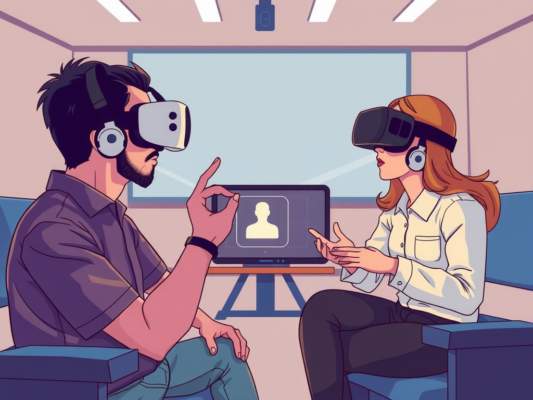
From creating interactive simulations to utilizing virtual reality technology, there are numerous ways to integrate multimedia into your training programs. By following the best practices outlined in this article, you can create a dynamic and engaging learning experience for your employees. Stay tuned to discover how multimedia can revolutionize your training efforts and drive better results for your organization. So, let's dive in and explore the exciting world of multimedia in employee training programs!
Table of contents
Enhancing Employee Training Programs with Multimedia
Employee training programs have evolved significantly over the years, and one key element that has revolutionized the learning experience is the use of multimedia. By incorporating various forms of multimedia such as videos, interactive presentations, and simulations, organizations can enhance the effectiveness of their training programs and engage employees in a more meaningful way.

Multimedia in employee training programs can help to improve retention rates and make learning more engaging and interactive. With the use of visuals, audio, and interactive elements, employees are more likely to retain information and apply it in real-world situations. Additionally, multimedia can cater to different learning styles, making training programs more inclusive and effective for all employees.
One of the key benefits of using multimedia in employee training programs is the ability to create a more personalized learning experience. By incorporating videos, animations, and other interactive elements, organizations can tailor training content to the specific needs and preferences of their employees. This not only makes learning more engaging but also helps employees to feel more motivated and invested in their development.
Incorporating multimedia into employee training programs can also help to increase employee engagement and participation. By providing interactive elements such as quizzes, games, and simulations, organizations can make learning more enjoyable and encourage employees to actively participate in their training. This not only improves knowledge retention but also fosters a culture of continuous learning and development within the organization.
Maximizing Learning Impact: Multimedia in Training
Maximizing learning impact through multimedia in training programs is crucial for engaging and retaining employees. By incorporating a variety of multimedia elements such as videos, interactive presentations, and simulations, companies can create a dynamic and immersive learning experience for their staff. This not only helps employees better understand and retain information but also makes the training process more enjoyable and engaging.
Including multimedia in training programs can cater to different learning styles and preferences, making it more accessible and effective for a diverse workforce. Visual learners can benefit from videos and infographics, while auditory learners may prefer podcasts or recorded lectures. Interactive elements like quizzes and games can also enhance engagement and knowledge retention.
Moreover, multimedia can help to convey complex information more effectively than traditional text-based materials. By using visuals, animations, and real-life examples, companies can break down complicated concepts into easily digestible chunks, making it easier for employees to grasp and apply new knowledge in their roles.
In conclusion, incorporating multimedia in employee training programs is a best practice that can significantly enhance the learning experience and maximize the impact of training initiatives. By creating engaging and interactive content, companies can ensure that their employees are not only learning but also retaining and applying knowledge effectively. With multimedia, training becomes more engaging, accessible, and impactful, ultimately leading to a more skilled and knowledgeable workforce.
Effective Strategies for Multimedia Integration in Training Programs
Incorporating multimedia elements into employee training programs can greatly enhance the learning experience and increase retention of information. One effective strategy for integrating multimedia in training programs is to use a mix of different media types such as videos, images, infographics, and interactive presentations. This variety helps to keep employees engaged and cater to different learning styles. Additionally, using real-life examples and case studies in multimedia can make the content more relatable and practical for employees to apply in their day-to-day work.
Another key strategy is to ensure that the multimedia content is interactive and engaging. This can be achieved through quizzes, simulations, and gamification elements that encourage employees to actively participate in the learning process. Interactive multimedia not only makes the training more enjoyable but also helps to reinforce key concepts and improve knowledge retention. Moreover, incorporating multimedia into training programs allows for self-paced learning, enabling employees to revisit materials as needed and learn at their own speed. This flexibility can be particularly beneficial for remote or distributed teams who may have different schedules or time zones.
Lastly, it is important to regularly update and refresh multimedia content in training programs to keep it relevant and engaging. Outdated or stale content can quickly lose the interest of employees and diminish the effectiveness of the training. By consistently evaluating the performance of multimedia elements and seeking feedback from employees, organizations can identify areas for improvement and make necessary adjustments to optimize the training experience. By following these effective strategies for multimedia integration, businesses can create engaging and impactful training programs that empower employees to succeed.
Frequently Asked Question
Why is multimedia important in employee training programs?
Using multimedia in employee training programs can enhance engagement, improve knowledge retention, and cater to different learning styles. Interactive videos, simulations, and gamified content can make learning more fun and effective.
What are the best practices for incorporating multimedia in employee training?
When incorporating multimedia in employee training programs, it is important to keep content relevant, interactive, and engaging. Utilize animations, infographics, and quizzes to make learning more dynamic and memorable.
How can multimedia improve employee training outcomes?
Multimedia can improve employee training outcomes by providing real-life scenarios, simulations, and case studies that help employees apply their learning in practical situations. This can lead to increased skills and performance in the workplace.
What are some common mistakes to avoid when using multimedia in employee training programs?
Some common mistakes to avoid when using multimedia in employee training programs include overloading content with unnecessary visuals, using outdated technology, and neglecting to evaluate the effectiveness of the multimedia content. It is important to regularly assess and update multimedia materials to ensure optimal learning outcomes.
Conclusion
In conclusion, incorporating multimedia into employee training programs can greatly enhance learning outcomes and engagement. By using a variety of multimedia tools such as videos, animations, and interactive simulations, employees can better retain information and apply it to their work. It is important to strike a balance between complexity and clarity in multimedia content, ensuring that it is both informative and engaging. By following these best practices, organizations can create effective and impactful training programs that benefit both employees and the company as a whole.