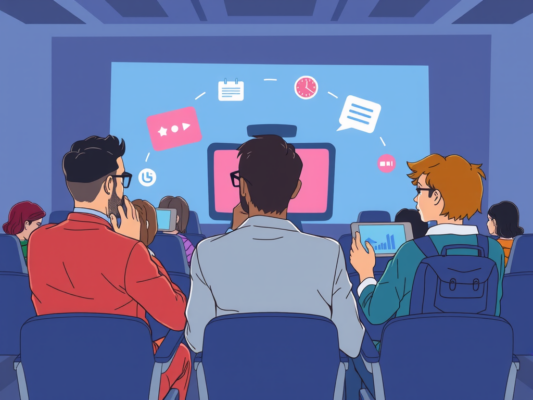
Are you looking to enhance the learning experience for students in higher education through multimedia? In today's digital age, incorporating various forms of multimedia, such as videos, interactive presentations, and podcasts, can greatly benefit both educators and learners. However, to ensure the effectiveness of multimedia in education, it is essential to follow best practices that promote engagement, accessibility, and learning outcomes.
By implementing best practices for multimedia in higher education, institutions can create a dynamic and interactive learning environment that caters to diverse learning styles. From designing user-friendly interfaces to providing interactive exercises and assessments, using multimedia effectively can lead to improved student engagement and retention. Keep reading to discover the key strategies and tips for maximizing the potential of multimedia in higher education. Let's explore the transformative power of multimedia in shaping the future of learning.
Table of contents
Enhancing Learning with Effective Multimedia Strategies in Higher Education
In today's rapidly evolving educational landscape, the use of multimedia in higher education has become increasingly prevalent. From interactive videos to virtual reality simulations, educators are constantly exploring new ways to enhance the learning experience for students. By incorporating effective multimedia strategies into their teaching practices, instructors can create a more engaging and interactive environment that caters to a variety of learning styles.

Multimedia can help to reinforce key concepts and improve retention rates by providing students with visual and auditory stimuli that complement traditional teaching methods. Interactive multimedia elements, such as quizzes and games, can also make learning more fun and engaging, encouraging students to actively participate in their education. Additionally, multimedia can help to accommodate different learning preferences and abilities, making it easier for students to grasp complex ideas and information.
When implementing multimedia in higher education, it's important for educators to consider the following best practices:
• Use a mix of multimedia elements to cater to different learning styles
• Ensure that multimedia content is relevant and aligned with course objectives
• Provide clear instructions and guidance on how to use multimedia resources
• Encourage collaboration and discussion around multimedia content
• Evaluate the effectiveness of multimedia strategies through student feedback and assessment
By following these best practices, educators can maximize the impact of multimedia in higher education and create a more dynamic and engaging learning environment for their students. So, let's explore the possibilities and potential of multimedia in higher education together!
Maximizing Student Engagement Through Multimedia Integration in Higher Education
In today's digital age, maximizing student engagement through multimedia integration in higher education has become increasingly important. By incorporating various forms of multimedia, such as videos, interactive simulations, and podcasts, educators can create a more dynamic and interactive learning experience for students. This not only helps to capture and maintain students' attention but also enhances their understanding and retention of course material. Additionally, multimedia can cater to different learning styles and preferences, allowing students to engage with the content in a way that suits them best.
Utilizing Multimedia Best Practices to Enhance Educational Experience in Higher Education
In today's digital age, utilizing multimedia best practices in higher education is essential for enhancing the educational experience. Incorporating a variety of multimedia elements such as videos, audio clips, and interactive presentations can help engage students and improve their understanding of complex concepts. By incorporating multimedia into lectures and assignments, educators can cater to different learning styles and create a more dynamic and interactive learning environment. Additionally, multimedia can help students retain information better and make learning more enjoyable and memorable. Overall, implementing multimedia best practices can lead to a more enriching educational experience for students in higher education.
Frequently Asked Question
Why is Multimedia Important in Higher Education?
Multimedia is essential in higher education because it enhances student engagement and learning outcomes. Visual and auditory aids help students to better understand complex concepts, making the learning process more interactive and effective. Incorporating multimedia in lectures and assignments can also cater to different learning styles, ensuring that all students have the opportunity to succeed.
What are the Best Practices for Using Multimedia in Higher Education?
When using multimedia in higher education, it is important to ensure that the content is relevant and enhances the learning experience. Instructors should also consider accessibility by providing alternative formats for students with disabilities. Additionally, it is crucial to keep multimedia content concise and engaging to hold students' attention and facilitate comprehension.
How can Multimedia be Integrated into Higher Education Curriculum?
Integrating multimedia into the higher education curriculum can be done through various methods such as incorporating videos, animations, and interactive simulations into lectures and assignments. Instructors can also create multimedia-rich online courses that allow students to access content at their own pace. By integrating multimedia strategically, educators can create a dynamic and engaging learning environment.
What Tools and Technologies are Available for Implementing Multimedia in Higher Education?
There are a variety of tools and technologies available for implementing multimedia in higher education, such as video editing software, interactive presentation tools, and online learning platforms. Educators can also utilize virtual reality and augmented reality technologies to create immersive learning experiences. By staying updated on the latest multimedia tools and technologies, instructors can enhance the quality of education they provide to students.
Conclusion
In conclusion, when incorporating multimedia into higher education, it is important to consider the balance between perplexity and burstiness in content creation. By maintaining high levels of both, while still providing specific and relevant information, educators can create engaging and effective learning experiences for students. By following these best practices, instructors can enhance their teaching methods and improve student understanding and retention of course material.