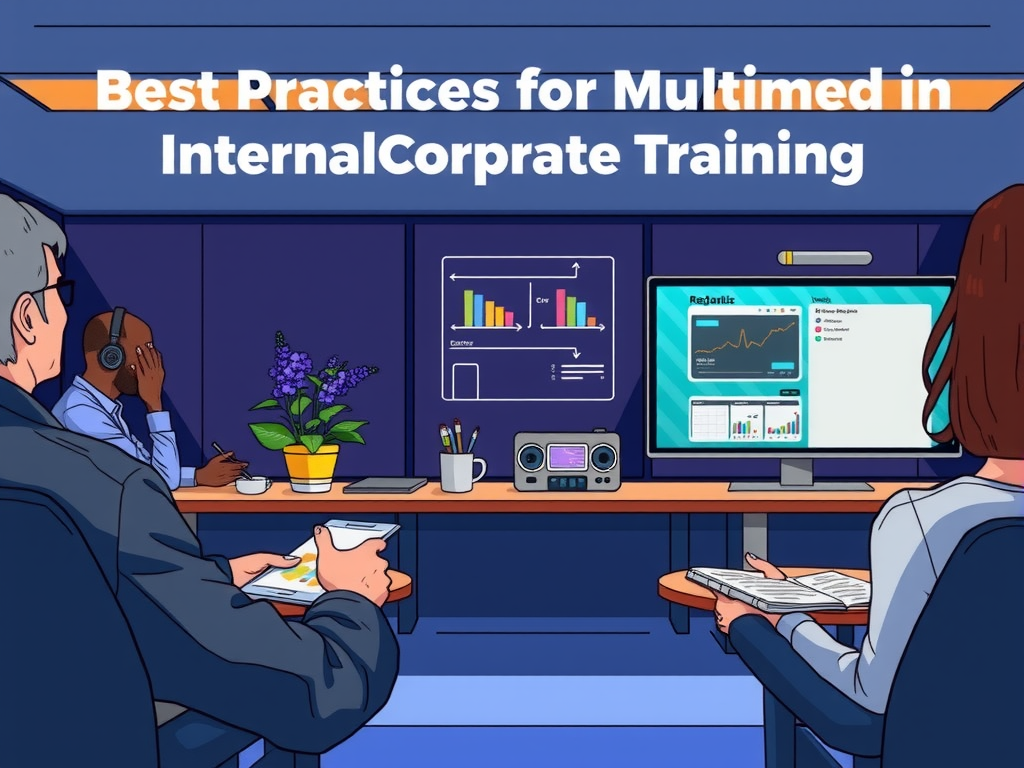
Are you looking to enhance your internal corporate training program with multimedia? Look no further! In this article, we will discuss the best practices for incorporating multimedia into your training sessions. From videos and animations to interactive presentations, we will explore how multimedia can engage employees and improve learning outcomes. Stay tuned to discover how to create a dynamic and effective training program that will take your organization to the next level.
When it comes to internal corporate training, multimedia can be a game-changer. By incorporating visuals and interactive elements, you can create a more engaging and memorable learning experience for your employees. In this article, we will delve into the key strategies and best practices for effectively utilizing multimedia in your training sessions. Whether you are looking to onboard new employees or upskill your current workforce, multimedia can help you achieve your training goals. So, let's dive in and unlock the power of multimedia in internal corporate training!
Table of contents
Enhancing Employee Learning with Engaging Multimedia Techniques
In today's fast-paced corporate environment, employee learning and development are crucial for the success of any organization. One of the most effective ways to enhance employee learning is by incorporating engaging multimedia techniques into internal corporate training programs. By utilizing multimedia such as videos, interactive simulations, and animations, companies can create a more dynamic and interactive learning experience for their employees. This not only helps to increase engagement and retention but also makes learning more enjoyable and effective.

Enhancing employee learning with engaging multimedia techniques can have a significant impact on the overall effectiveness of corporate training programs. Here are some best practices to consider when incorporating multimedia into internal training:
Boosting Training Effectiveness: The Power of Multimedia in Corporate Learning
Boosting training effectiveness through multimedia in corporate learning is crucial in today's fast-paced business environment. By incorporating a variety of multimedia elements such as videos, interactive quizzes, and simulations, organizations can create engaging and impactful training programs that resonate with employees. Multimedia allows for a more interactive learning experience, catering to different learning styles and preferences. This not only increases engagement but also enhances retention and understanding of the material being presented.
Additionally, multimedia in corporate training provides employees with the flexibility to learn at their own pace and on their own schedule. This self-paced learning approach allows for greater convenience and accessibility, as employees can access training materials from anywhere and at any time. By incorporating multimedia elements into training programs, organizations can ensure that employees stay engaged and motivated throughout the learning process, resulting in higher levels of knowledge retention and application in the workplace.
In conclusion, the power of multimedia in corporate learning cannot be understated. By leveraging multimedia elements in training programs, organizations can create a more engaging, interactive, and effective learning experience for employees. From videos and animations to simulations and interactive quizzes, multimedia offers a wide range of tools and resources to enhance the training process. Embracing multimedia in internal corporate training is essential for organizations looking to boost employee engagement, retention, and overall training effectiveness.
Maximizing Training Impact: Best Practices for Using Multimedia Internally
When it comes to maximizing the impact of internal corporate training, using multimedia is a key strategy that can greatly enhance the learning experience for employees. By incorporating various forms of multimedia, such as videos, interactive presentations, and simulations, organizations can create a more engaging and effective training program that resonates with employees on a deeper level.
One of the best practices for using multimedia in internal corporate training is to ensure that the content is relevant and tailored to the specific needs of the employees. This means taking into account the different learning styles and preferences of the workforce and creating multimedia materials that cater to those diverse needs. By personalizing the training content, organizations can make the learning experience more meaningful and impactful for employees.
Additionally, it is important to keep the multimedia content concise and to the point. Long, drawn-out videos or presentations can quickly lose the attention of learners and diminish the overall effectiveness of the training. By keeping the content brief and focused, employees are more likely to stay engaged and retain the information being presented.
Frequently Asked Question
Benefits of Using Multimedia in Internal Corporate Training
When it comes to internal corporate training, incorporating multimedia elements can significantly enhance the learning experience for employees. By utilizing a combination of videos, interactive simulations, and animations, companies can create engaging and memorable training materials that cater to different learning styles. This not only increases knowledge retention but also boosts employee engagement and motivation.
Best Practices for Creating Multimedia Training Materials
When developing multimedia training materials for internal corporate training, it is essential to keep the content concise and focused. Use a mix of visual and auditory elements to cater to different learning preferences. Additionally, make sure the multimedia elements reinforce key learning points and are interactive to encourage active participation from employees.
Ensuring Accessibility and Compatibility of Multimedia Content
When implementing multimedia content in internal corporate training, it is crucial to ensure accessibility and compatibility across different devices and platforms. Make sure that the training materials are optimized for mobile devices and are compatible with various browsers and operating systems to reach all employees effectively.
Measuring the Effectiveness of Multimedia Training
After implementing multimedia training in internal corporate training programs, it is essential to measure its effectiveness. Utilize analytics tools to track employee engagement, knowledge retention, and performance improvements. Collect feedback from employees to continuously improve and refine the multimedia training materials for better results.
Conclusion
In conclusion, when creating multimedia content for internal corporate training, it is important to consider factors such as perplexity and burstiness to keep employees engaged and learning effectively. By incorporating a mix of visuals, audio, and interactive elements, training materials can be more engaging and memorable. It is essential to strike a balance between being detailed and specific while also keeping content easy to understand. By following these best practices, companies can enhance their training programs and ensure that employees are able to retain and apply the information effectively.