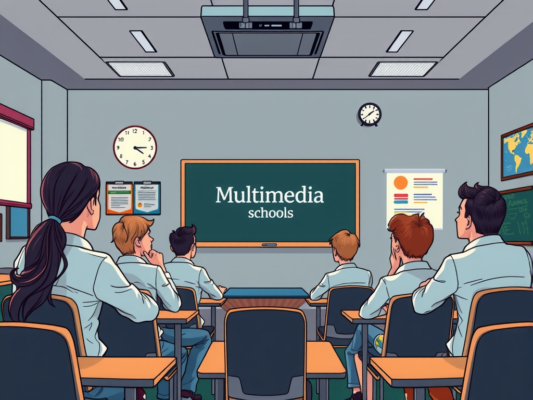
Are you looking to enhance your teaching methods and engage your students in a more interactive way? Multimedia storytelling in education is a powerful tool that combines various forms of media to create a compelling and dynamic learning experience. By incorporating elements such as videos, images, audio, and interactive graphics, educators can captivate their students' attention and make learning more enjoyable and effective.
One of the best practices for multimedia storytelling in education is to keep content concise and engaging. By using a combination of visuals and text, educators can convey information in a way that is easy to understand and retain. Additionally, utilizing storytelling techniques such as narrative structure and character development can help students connect with the material on a deeper level. Want to learn more about how to effectively incorporate multimedia storytelling into your teaching? Keep reading to discover the top strategies and tips for success in the classroom.
Enhancing Educational Engagement through Multimedia Storytelling
Engaging students in the educational process can be a challenging task, but multimedia storytelling has proven to be an effective tool in enhancing educational engagement. By incorporating multimedia elements such as videos, images, and audio into educational content, educators can create a more interactive and dynamic learning experience for students.

One of the key benefits of multimedia storytelling in education is its ability to appeal to different learning styles. Visual learners, auditory learners, and kinesthetic learners can all benefit from multimedia content, as it caters to their individual preferences and helps them engage with the material in a more meaningful way.
Furthermore, multimedia storytelling can help students retain information better and for longer periods of time. By presenting information in a variety of formats, students are more likely to remember key concepts and facts, as they are reinforced through multiple sensory channels.
Maximizing Learning Outcomes with Interactive Multimedia Content
Maximizing learning outcomes with interactive multimedia content is essential in today's educational landscape. By incorporating a variety of multimedia elements such as videos, animations, and interactive simulations, educators can create engaging and dynamic learning experiences for their students. This not only helps to capture students' attention but also allows for different learning styles to be accommodated, leading to a deeper understanding of the material being presented.
Interactive multimedia content can provide students with the opportunity to engage with and manipulate information in a way that traditional methods cannot. This hands-on approach to learning can help students retain information better and apply what they have learned in real-world scenarios. Additionally, multimedia content can help to make complex concepts more accessible and easier to understand, breaking down barriers to learning for students who may struggle with traditional teaching methods.
By incorporating interactive multimedia content into their curriculum, educators can create a more personalized and interactive learning experience for their students. This can lead to increased student engagement, motivation, and ultimately, better learning outcomes. So, whether it's through interactive videos, simulations, or virtual reality experiences, using multimedia storytelling in education can revolutionize the way students learn and retain information.
Effective Strategies for Integrating Multimedia Storytelling in Education
Effective Strategies for Integrating Multimedia Storytelling in Education
When it comes to incorporating multimedia storytelling in education, there are several effective strategies that educators can implement to enhance the learning experience for students. One key approach is to use a variety of multimedia elements, such as videos, images, and audio clips, to help engage students and make learning more interactive. By incorporating these different forms of media, educators can cater to the diverse learning styles of their students and create a more engaging and dynamic learning environment.
Another important strategy for integrating multimedia storytelling in education is to encourage students to create their own multimedia projects. By giving students the opportunity to create their own videos, podcasts, or digital stories, educators can help them develop important skills such as critical thinking, creativity, and digital literacy. This hands-on approach to learning not only helps students retain information better but also fosters a sense of ownership and pride in their work.
Furthermore, incorporating multimedia storytelling in education can also help make complex concepts more relatable and easier to understand. Visual aids such as videos and infographics can help break down difficult concepts into simpler, more digestible chunks, making it easier for students to grasp and retain information. Additionally, incorporating real-life examples and case studies through multimedia storytelling can help students see the practical applications of what they are learning, making the content more relevant and engaging.
Frequently Asked Question
What are the best practices for multimedia storytelling in education?
When it comes to incorporating multimedia storytelling in education, it is important to consider the engagement of students. Utilizing a variety of multimedia elements such as videos, images, and interactive activities can help capture the attention of learners and enhance their understanding of the material. Additionally, incorporating storytelling techniques can make the content more relatable and memorable for students. It is also crucial to ensure that the multimedia content is relevant, concise, and aligned with the learning objectives.
How can educators effectively integrate multimedia storytelling into their curriculum?
Educators can effectively integrate multimedia storytelling into their curriculum by first identifying the learning goals they want to achieve. They can then select multimedia elements that support these goals and enhance the learning experience. Educators should also provide guidance and support to students as they engage with the multimedia content, encouraging them to reflect on the stories being told and how they relate to the learning material. It is important for educators to continuously assess the impact of multimedia storytelling on student learning and make adjustments as needed.
What are the benefits of using multimedia storytelling in education?
The benefits of using multimedia storytelling in education are numerous. By incorporating multimedia elements, educators can create a more dynamic and engaging learning experience for students. Multimedia storytelling can help students retain information more effectively, as it appeals to different learning styles and allows for repeated exposure to the material. Additionally, multimedia storytelling can promote critical thinking and creativity among students, as they are encouraged to analyze and interpret the stories being presented. Overall, multimedia storytelling can enhance student motivation and learning outcomes in the educational setting.
Conclusion
In conclusion, incorporating multimedia storytelling into education can greatly enhance learning experiences for students. By using a combination of text, images, videos, and audio, educators can create engaging and interactive lessons that cater to different learning styles. Remember to consider perplexity and burstiness when creating content, ensuring a balance between complexity and clarity. By following these best practices, educators can effectively utilize multimedia storytelling to make learning more enjoyable and effective for students.