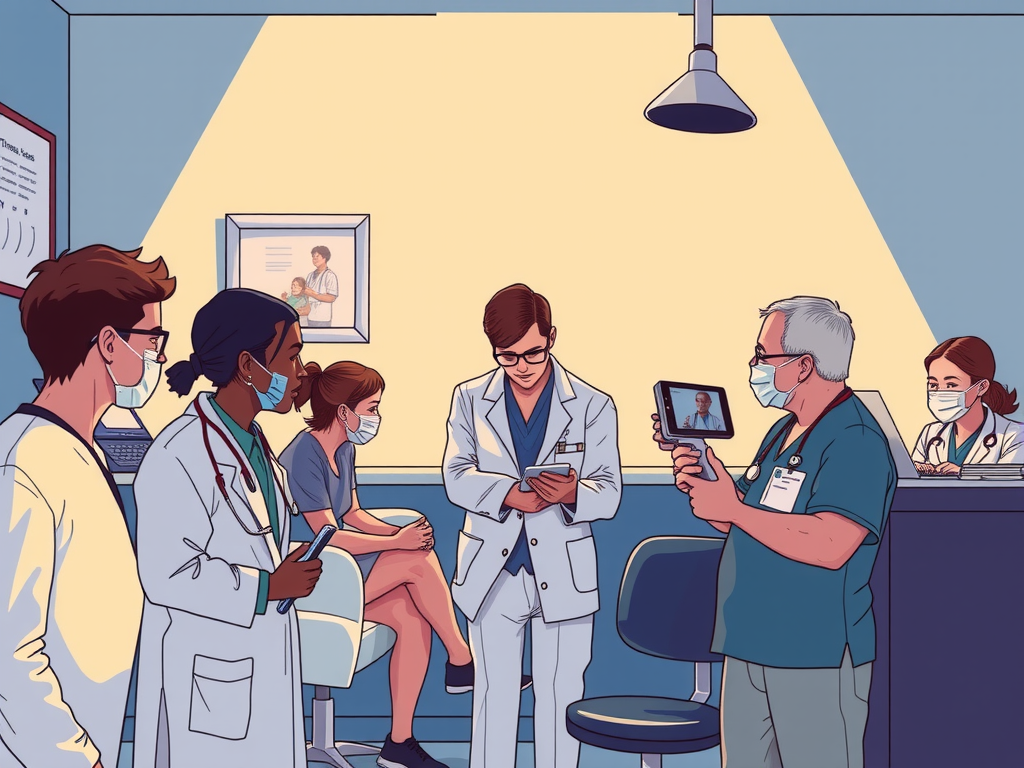
Are you looking to enhance your healthcare storytelling through multimedia? In today's digital age, incorporating multimedia elements such as videos, images, and infographics can help engage your audience and effectively convey complex medical information. From patient testimonials to educational videos, multimedia storytelling can humanize the healthcare experience and make information more accessible and relatable to a wider audience. In this article, we will delve into the best practices for multimedia storytelling in healthcare and how you can leverage these strategies to create compelling and impactful content.
Incorporating multimedia elements in your healthcare storytelling can not only capture the attention of your audience but also improve information retention and understanding. By combining visuals with text, you can create a compelling narrative that resonates with your viewers and reinforces key messages. From social media campaigns to patient education materials, multimedia storytelling offers a versatile and engaging way to connect with your audience and drive meaningful conversations about healthcare. Let's explore the best practices for leveraging multimedia storytelling in healthcare and how you can effectively implement these strategies in your content marketing efforts. So, keep reading to learn more about how you can elevate your healthcare storytelling through multimedia.
Table of contents
Enhancing Patient Engagement Through Multimedia Storytelling
Enhancing patient engagement through multimedia storytelling in healthcare is a powerful tool that can help healthcare providers connect with their patients on a deeper level. By using a combination of visuals, audio, and text, healthcare professionals can create compelling stories that resonate with patients and inspire them to take an active role in their own healthcare journey. This approach not only enhances the patient experience but also helps to improve health outcomes.

One of the key benefits of using multimedia storytelling in healthcare is its ability to humanize the patient experience. By sharing real-life stories of patients who have overcome challenges or achieved significant milestones, healthcare providers can create a sense of empathy and connection with their audience. This can help patients feel more understood, valued, and motivated to engage in their treatment plan.
Furthermore, multimedia storytelling can help to educate patients about complex medical concepts in a more accessible and engaging way. By breaking down complicated information into bite-sized pieces and presenting it in a visually appealing format, healthcare providers can empower patients to make informed decisions about their health. This can lead to better treatment adherence and overall health outcomes.
Maximizing Impact: Effective Strategies for Healthcare Multimedia Storytelling
Maximizing impact through effective healthcare multimedia storytelling involves utilizing a variety of strategies to engage and inform audiences. By incorporating visuals, audio, and interactive elements, healthcare organizations can create compelling narratives that resonate with viewers. One key strategy is to focus on human-centered stories that highlight the experiences of patients, caregivers, and healthcare professionals. These personal stories can help to humanize complex medical topics and make them more relatable to a wider audience. In addition, using data visualization tools can help to communicate complex information in a clear and accessible way, making it easier for viewers to understand and engage with the content.
The Power of Visuals: Best Practices for Multimedia Storytelling in Healthcare
The use of visuals in healthcare storytelling is a powerful tool that can greatly impact patients, healthcare providers, and the community. Visual content such as images, videos, and infographics can effectively convey complex medical information in a way that is easy to understand and engaging. By incorporating multimedia elements into healthcare storytelling, organizations can create a more compelling and memorable experience for their audience.
In order to effectively utilize multimedia storytelling in healthcare, there are several best practices to keep in mind:
– Use high-quality visuals that are relevant to the story being told
– Incorporate a mix of different types of multimedia content to keep the audience engaged
– Ensure that the visuals are accessible to all users, including those with disabilities
– Use multimedia to enhance the overall message of the story, rather than distract from it
By following these best practices, healthcare organizations can create more impactful and engaging storytelling experiences that resonate with their audience. Visual content has the power to educate, inspire, and connect with viewers on a deeper level, making it an essential tool for effective healthcare communication.
Frequently Asked Question
How can multimedia storytelling benefit healthcare?
Multimedia storytelling in healthcare can benefit patients, caregivers, and healthcare providers by providing engaging and easily digestible information. By incorporating videos, images, and interactive elements, multimedia storytelling can effectively convey complex medical information and promote health education and awareness.
What are some best practices for creating multimedia storytelling in healthcare?
Some best practices for creating multimedia storytelling in healthcare include using a combination of visual and auditory elements, incorporating real-life patient stories, ensuring cultural sensitivity, and providing clear and accurate information. By following these best practices, healthcare organizations can enhance patient engagement and improve health outcomes.
How can healthcare organizations incorporate multimedia storytelling into their communication strategies?
Healthcare organizations can incorporate multimedia storytelling into their communication strategies by creating video testimonials, developing interactive infographics, hosting virtual tours of facilities, and utilizing social media platforms to share multimedia content. By leveraging multimedia storytelling, healthcare organizations can effectively reach and engage with their target audiences.
What are the key elements of a successful multimedia storytelling campaign in healthcare?
The key elements of a successful multimedia storytelling campaign in healthcare include compelling storytelling, high-quality visual content, mobile responsiveness, accessibility features for individuals with disabilities, and data-driven insights to measure the impact of the campaign. By incorporating these elements, healthcare organizations can create engaging and impactful multimedia content that resonates with their audience.
How can multimedia storytelling help to reduce healthcare disparities?
Multimedia storytelling can help to reduce healthcare disparities by providing culturally relevant and easily accessible health information to underserved communities. By using diverse storytelling methods and platforms, healthcare organizations can bridge the gap between different populations and improve health equity.
Conclusion
Multimedia storytelling in healthcare is a powerful tool that can connect patients and healthcare providers on a deeper level. By incorporating various forms of media such as videos, images, and audio, healthcare organizations can effectively communicate important information and create engaging content for their audience. It is important to consider perplexity and burstiness when creating multimedia stories, as this can help maintain high levels of engagement while providing specific and contextually relevant information. By following best practices for multimedia storytelling, healthcare providers can effectively communicate with their patients and improve overall healthcare outcomes.