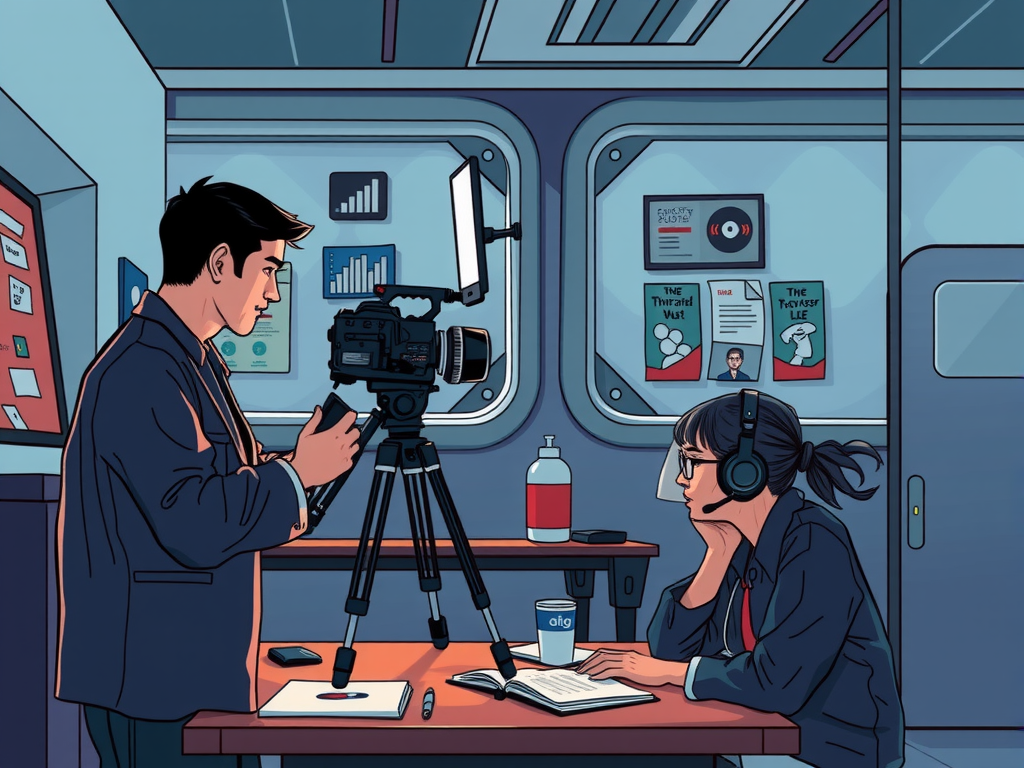
Are you looking to enhance your storytelling skills in journalism? Multimedia storytelling is a powerful tool that can engage your audience in a more interactive and immersive way. By incorporating various forms of media such as videos, images, and audio, you can create a more compelling narrative that resonates with your viewers. In this article, we will explore the best practices for multimedia storytelling in journalism, including tips on how to effectively integrate different media formats to captivate your audience and convey your message more effectively.
In today's fast-paced digital world, it's essential for journalists to adapt to the changing landscape of storytelling. By incorporating multimedia elements into your stories, you can reach a wider audience and keep them engaged with your content. From interactive graphics to engaging videos, there are endless possibilities for creating compelling multimedia stories that leave a lasting impact on your viewers. So, if you're ready to take your storytelling to the next level, keep reading to discover the best practices for multimedia storytelling in journalism. Let's dive in and explore the exciting world of multimedia storytelling together.
Table of contents
Enhancing Journalism Through Multimedia Storytelling
Enhancing journalism through multimedia storytelling has become a vital component in today's digital age. By incorporating various forms of media such as videos, images, and interactive elements, journalists are able to engage their audience in a more compelling and immersive way. Multimedia storytelling allows for a deeper understanding of complex issues and provides a more engaging experience for readers.

One of the key benefits of multimedia storytelling in journalism is its ability to evoke emotions and create a more personal connection with the audience. Through visual and auditory elements, journalists can bring stories to life and make them more relatable to readers. This can lead to increased empathy and understanding of different perspectives.
Additionally, multimedia storytelling allows for a more interactive and dynamic experience for readers. By incorporating elements such as videos, infographics, and interactive maps, journalists can provide a more comprehensive view of a story. This not only enhances the reader's understanding but also keeps them more engaged and interested in the content.
Overall, multimedia storytelling in journalism is a powerful tool that can enhance the impact and reach of stories. By leveraging different forms of media, journalists can create more engaging and informative content that resonates with their audience on a deeper level. This not only helps to attract and retain readers but also allows for a more immersive and compelling storytelling experience.
Engage Your Audience with Effective Multimedia Techniques
When it comes to creating compelling multimedia content for journalism, engaging your audience is key. One effective way to do this is by utilizing various multimedia techniques that can help bring your stories to life. By incorporating elements such as videos, images, infographics, and audio, you can captivate your audience and provide them with a more immersive and interactive experience.
Engaging your audience with effective multimedia techniques can help enhance the overall storytelling experience. Here are some best practices to keep in mind:
– Use a variety of multimedia elements to appeal to different learning styles and preferences.
– Keep your content concise and to the point to maintain the audience's attention.
– Ensure that your multimedia elements are relevant to the story and add value to the overall narrative.
– Use high-quality visuals and audio to enhance the storytelling experience and create a more engaging atmosphere.
By following these best practices, you can effectively engage your audience and create multimedia stories that resonate with your readers. Remember, the goal is to captivate your audience and make them feel like they are a part of the story, so be creative and experiment with different multimedia techniques to see what works best for your content.
Mastering the Art of Multimedia Storytelling in Journalism
Mastering the art of multimedia storytelling in journalism requires a combination of creativity, technical skills, and a deep understanding of your audience. Incorporating multimedia elements such as videos, images, infographics, and interactive graphics can enhance the storytelling experience for your readers and bring your stories to life. By following best practices for multimedia storytelling, journalists can create compelling and engaging content that resonates with their audience.
When it comes to multimedia storytelling in journalism, here are some best practices to keep in mind:
– Start by identifying the key message or story you want to convey and choose the most appropriate multimedia elements to support it.
– Use a mix of different types of media to keep your audience engaged and cater to different learning styles.
– Make sure your multimedia elements are high quality and relevant to the story you are telling.
– Consider the user experience and ensure that your multimedia elements enhance, rather than distract from, the story.
– Test your multimedia content across different devices and platforms to ensure a seamless experience for all users.
Incorporating multimedia elements into your journalism can take your storytelling to the next level and help you connect with your audience on a deeper level. By mastering the art of multimedia storytelling, journalists can create impactful and memorable content that leaves a lasting impression.
Frequently Asked Question
What are the best practices for multimedia storytelling in journalism?
When it comes to multimedia storytelling in journalism, it is crucial to use a combination of text, images, videos, and interactive elements to engage readers and convey information effectively. One key best practice is to ensure that all multimedia elements are relevant and add value to the story. Additionally, it is important to consider the different platforms and devices that readers may use to consume the content, and optimize the multimedia elements accordingly.
Why is multimedia storytelling important in journalism?
Multimedia storytelling plays a vital role in modern journalism by providing a more engaging and interactive experience for readers. By incorporating visual elements such as photos, videos, and infographics, journalists can bring stories to life and capture the attention of their audience in a way that text alone cannot. This helps to increase reader engagement and understanding of complex issues.
What tools can journalists use for multimedia storytelling?
There are a variety of tools available to journalists for multimedia storytelling, including photo and video editing software, interactive graphics tools, and content management systems with built-in multimedia capabilities. Popular tools include Adobe Creative Suite, Canva, and WordPress. It is important for journalists to choose tools that are user-friendly and help them create compelling multimedia content efficiently.
How can journalists ensure ethical considerations in multimedia storytelling?
Journalists must always consider ethical considerations when creating multimedia storytelling content. This includes obtaining permission to use copyrighted material, respecting the privacy of individuals featured in the story, and presenting information accurately and fairly. It is important for journalists to adhere to journalistic standards and guidelines to maintain credibility and trust with their audience.
What are some examples of effective multimedia storytelling in journalism?
Some examples of effective multimedia storytelling in journalism include interactive data visualizations that help readers understand complex information, immersive video documentaries that bring viewers into the story, and multimedia features that combine text, images, and audio to create a compelling narrative. By incorporating a variety of multimedia elements, journalists can create engaging and memorable storytelling experiences for their audience.
Conclusion
When creating multimedia stories in journalism, it is important to consider the balance between complexity and engagement. By incorporating a variety of media elements such as videos, images, and interactive graphics, journalists can effectively capture their audience's attention and provide a comprehensive understanding of the story. Additionally, maintaining a clear and concise writing style will help convey the main message without overwhelming the reader. By following these best practices, journalists can create compelling multimedia stories that resonate with their audience and leave a lasting impact.