Are you looking to improve your interview shooting and editing skills? Look no further! In this article, we will discuss the best practices for shooting and editing interviews. From setting up the perfect lighting to capturing clear audio, we will cover everything you need to know to create professional-looking interviews that engage your audience.
When it comes to editing, we will share tips on how to cut out unnecessary footage, add transitions seamlessly, and enhance the overall look and feel of your interviews. Whether you are a beginner or a seasoned pro, these best practices will help you take your interview shooting and editing to the next level. So, grab your camera and let's get started!
Table of contents
Mastering the Art of Shooting and Editing Interviews
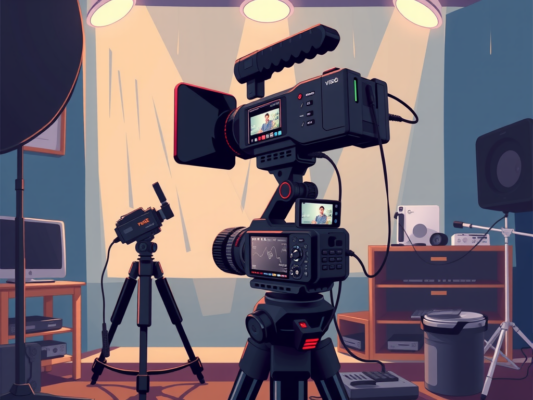
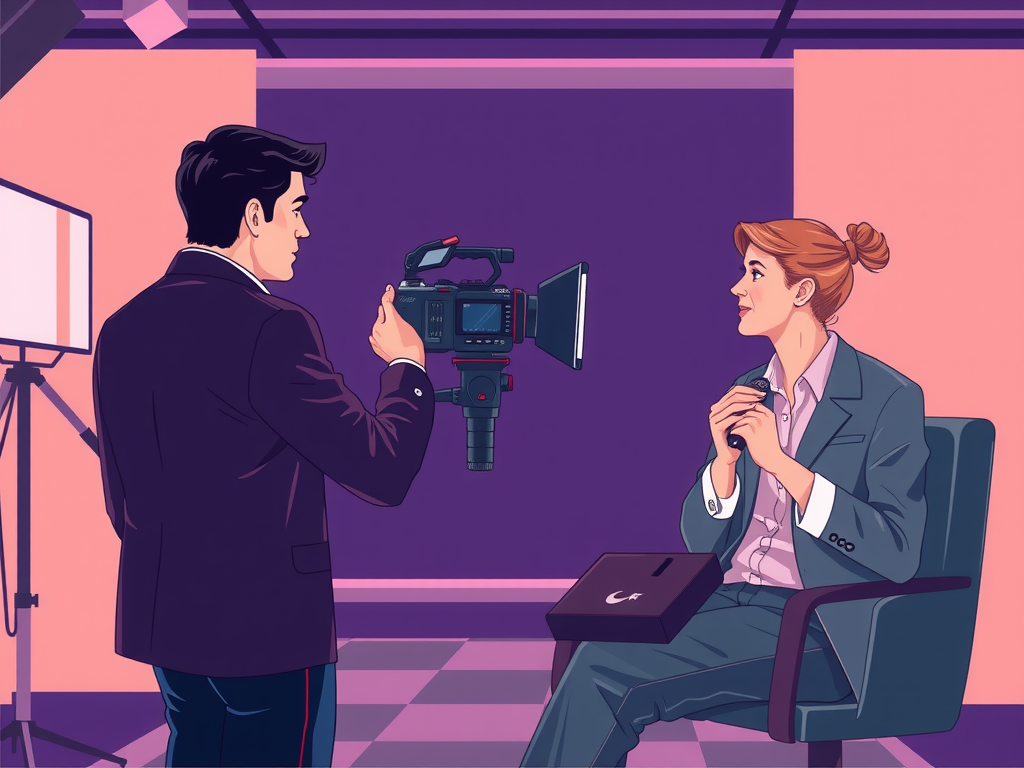
Mastering the art of shooting and editing interviews requires attention to detail and a creative eye. When setting up for an interview, make sure to choose a quiet location with good lighting. Natural light is always best, but if you're indoors, use softbox lights to create a flattering look. Position your subject slightly off-center for a more dynamic shot, and always use a tripod to ensure stability. When it comes to editing, focus on cutting out any unnecessary pauses or filler words to keep the conversation flowing smoothly. Add in B-roll footage to break up the interview and make it more engaging for the viewer. Remember to always keep the viewer's attention by maintaining a good pace and choosing the most compelling moments to include in the final cut. Mastering these techniques will help you create professional-looking interviews that captivate your audience.

Enhance Your Interview Footage with These Editing Tips
Enhance Your Interview Footage with These Editing Tips
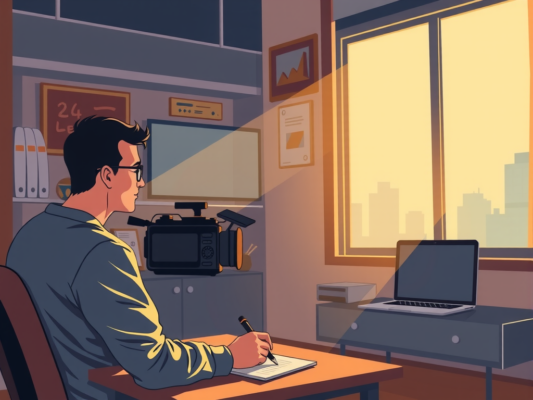
When it comes to editing your interview footage, there are a few key tips to keep in mind that can truly take your video to the next level. Firstly, make sure to start by organizing your footage before diving into the editing process. This will save you time and make the editing process much smoother. Additionally, be sure to focus on the pacing of your video to keep viewers engaged. Try to avoid long pauses or unnecessary filler content that can bore the audience.
Improve Your Interview Videos with Proven Shooting Techniques
Are you looking to enhance the quality of your interview videos? By incorporating proven shooting techniques, you can take your content to the next level and captivate your audience. One key practice to keep in mind is the importance of proper lighting. Good lighting can make a huge difference in the overall look and feel of your video, so be sure to use natural light or invest in some quality lighting equipment. Additionally, using a stable camera or tripod can help ensure that your shots are steady and professional-looking. Remember to also consider the background of your shots, as a cluttered or distracting backdrop can take away from the focus of your interview subject. By following these shooting techniques, you can create engaging and visually appealing interview videos that keep viewers coming back for more.
Frequently Asked Question
How can I improve my interview shooting techniques?
When shooting interviews, it is important to consider factors such as lighting, framing, and audio quality. Make sure to optimize your lighting to avoid harsh shadows on the subject's face. Use a tripod to keep your shots stable and avoid shaky footage. Position your camera at eye level with the subject to create a natural and engaging look. Additionally, use a lavalier microphone or shotgun microphone to capture clear and high-quality audio.
What are some best practices for editing interview footage?
When editing interview footage, start by organizing your clips and creating a rough cut to establish the structure of the interview. Use jump cuts or B-roll footage to cover any awkward pauses or transitions. Focus on pacing and storytelling to keep the audience engaged throughout the interview. Add lower thirds to identify the speaker and include relevant graphics or images to enhance the visual appeal of the video.
How can I ensure my interview videos are engaging and informative?
To create engaging and informative interview videos, incorporate a variety of shots to keep the visuals interesting. Use close-ups to emphasize emotions and reactions, and wide shots to establish context. Cut between different camera angles to maintain visual interest and add depth to the interview. Additionally, consider incorporating music or sound effects to enhance the mood and atmosphere of the video.
Conclusion
Following these best practices for shooting and editing interviews will help you create engaging and authentic content that resonates with your audience. By writing in a style that is conversational and relatable, you can connect with viewers on a more personal level. Remember to keep it simple and use easy words to make your message clear and easy to understand. By incorporating these tips into your interview process, you can produce high-quality videos that capture the essence of your subject and leave a lasting impact on your viewers. So, next time you're preparing for an interview, remember to write in a style that is human and authentic.