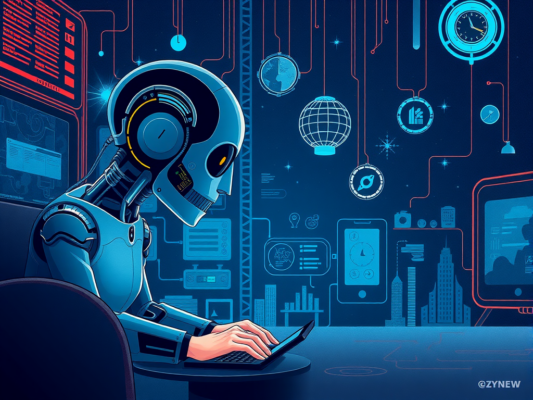
The Ethical Implications of AI in the Future
As artificial intelligence continues to advance, the ethical implications of AI in the future are becoming increasingly important to consider. One of the key concerns is the potential for AI to perpetuate existing biases and discrimination, as algorithms are only as unbiased as the data they are trained on. This raises questions about who is responsible for ensuring ethical AI development and how to hold them accountable. Additionally, there are concerns about the impact of AI on jobs, privacy, and even the potential for autonomous weapons. It is crucial for us as a society to address these ethical implications to ensure that AI is developed and used responsibly and ethically.
Ensuring Ethics in the Evolution of AI Technology
As we continue to witness the rapid advancements in AI technology, it is crucial to ensure that ethics remain at the forefront of its evolution. With the potential for AI to greatly impact various aspects of our lives, from healthcare to transportation, it is imperative that we prioritize ethical considerations to prevent any potential harm or misuse of this powerful technology.
One way to ensure ethics in the evolution of AI technology is through transparency and accountability. It is essential for developers and organizations to be transparent about how AI systems are designed, trained, and deployed. Additionally, there should be mechanisms in place to hold individuals and organizations accountable for any unethical actions or decisions made using AI technology.

Navigating the Ethical Challenges of AI Advancements
Navigating the ethical challenges of AI advancements is essential as we move towards a future where artificial intelligence plays a significant role in our daily lives. One of the key concerns is ensuring that AI is being used responsibly and ethically, without causing harm to individuals or society as a whole. As we continue to develop and integrate AI technologies, it is crucial to address the following ethical challenges:
• Privacy and data security: AI systems often rely on vast amounts of data to learn and make decisions. Ensuring that this data is collected and used ethically, with respect to individuals' privacy rights, is crucial.
• Bias and discrimination: AI algorithms can inadvertently perpetuate biases present in the data they are trained on. It is important to actively work to mitigate these biases to ensure fair and equitable outcomes.
• Accountability and transparency: As AI systems become more complex and autonomous, it is essential to establish clear lines of accountability and ensure transparency in how decisions are made.
By addressing these challenges head-on and working towards ethical AI development, we can harness the full potential of artificial intelligence while minimizing potential harms. It is up to us as creators and users of AI to shape a future where technology serves humanity in a positive and responsible manner.
Frequently Asked Question
What is the Ethical Future of AI?
As we look towards the future of AI, ethical considerations become increasingly important. The ethical future of AI revolves around ensuring that artificial intelligence is developed and utilized in a way that is fair, transparent, and accountable. It involves addressing issues such as bias in algorithms, privacy concerns, and the impact of AI on society. Ethical guidelines and regulations are being developed to guide the responsible deployment of AI technologies.
How can we ensure the Ethical Future of AI?
Ensuring the ethical future of AI requires a multi-faceted approach. This includes promoting diversity and inclusion in AI development teams, conducting thorough ethical assessments of AI systems, and implementing mechanisms for accountability and transparency. Responsible AI practices involve considering the potential impact of AI technologies on individuals and communities, and taking steps to mitigate any negative consequences.
Why is the Ethical Future of AI important?
The ethical future of AI is important because AI technologies have the potential to significantly impact our lives and society as a whole. Without ethical guidelines and regulations in place, there is a risk that AI systems could perpetuate biases, infringe on privacy rights, or have unintended negative consequences. By prioritizing ethical considerations, we can ensure that AI technologies are developed and deployed in a way that benefits society while minimizing harm.
What are the challenges in achieving the Ethical Future of AI?
One of the main challenges in achieving the ethical future of AI is the fast-paced nature of technological advancement. It can be difficult for regulations and guidelines to keep up with the rapid development of AI technologies. Additionally, biases in data and algorithms pose a significant challenge to ensuring ethical AI. Striking a balance between innovation and ethical considerations is crucial in navigating these challenges.
How can individuals contribute to shaping the Ethical Future of AI?
Individuals can contribute to shaping the ethical future of AI by advocating for ethical AI practices in their organizations, supporting initiatives that promote diversity and inclusion in AI development, and staying informed about the ethical implications of AI technologies. By being proactive in addressing ethical concerns and holding developers and policymakers accountable, individuals can play a vital role in shaping a future where AI benefits society responsibly.