Understanding Flash Loan Attacks and How They Work
Flash loan attacks have become a hot topic in the world of cryptocurrency and DeFi. These attacks involve borrowing a large sum of money in a single transaction and using it to manipulate the market for profit. The unique feature of flash loans is that they are borrowed and repaid within the same transaction, allowing for quick and easy access to funds without the need for collateral. This makes them an attractive tool for hackers looking to exploit vulnerabilities in smart contracts and decentralized platforms.
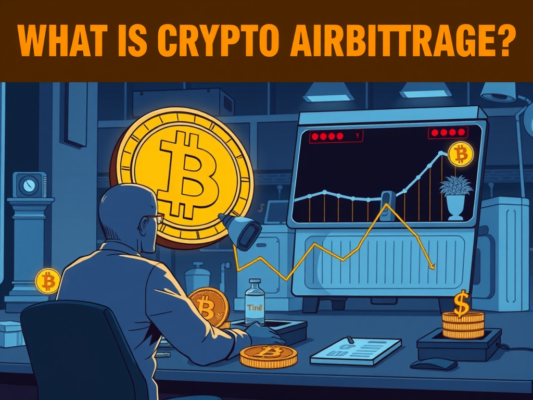
One of the most common types of flash loan attacks is the arbitrage attack. In this scenario, an attacker borrows a large sum of money and uses it to exploit price discrepancies between different exchanges. By buying low on one exchange and selling high on another, the attacker can make a significant profit in a short amount of time. These attacks can be difficult to detect and prevent, making them a serious threat to the security of DeFi platforms.
Another popular form of flash loan attack is the manipulation attack. In this case, an attacker uses borrowed funds to manipulate the price of a specific asset, causing it to rise or fall dramatically. This can lead to panic selling or buying, allowing the attacker to profit from the price movements. These attacks can be particularly damaging to smaller tokens with low liquidity, as they are more susceptible to manipulation.

It is important for users of DeFi platforms to be aware of the risks associated with flash loan attacks and to take precautions to protect their assets. By understanding how these attacks work and staying informed about the latest security threats, users can help to mitigate the risk of falling victim to a flash loan attack. It is crucial for developers to continually update and improve the security of their smart contracts to prevent vulnerabilities that could be exploited by attackers.
Protecting Your Finances: A Guide to Defending Against Flash Loan Attacks
Flash loan attacks have been on the rise in the world of decentralized finance, posing a serious threat to the security of your finances. These attacks involve borrowing a large sum of money in a single transaction and using it to manipulate the price of assets on a decentralized platform. To protect yourself from falling victim to these attacks, there are several steps you can take to defend against them.
One of the most important ways to defend against flash loan attacks is by diversifying your investments. By spreading your funds across a variety of assets, you can reduce the impact that a single attack can have on your overall financial security. Additionally, staying informed about the latest security threats and vulnerabilities in the decentralized finance space can help you stay one step ahead of potential attackers.
Another key defense against flash loan attacks is to carefully monitor your transactions for any suspicious activity. If you notice any unusual activity in your accounts, such as large withdrawals or transfers to unfamiliar addresses, it's important to take immediate action to secure your funds. By staying vigilant and proactive, you can minimize the risk of falling victim to a flash loan attack.
In addition to these proactive measures, it's also important to use reputable decentralized platforms and smart contracts for your investments. By conducting thorough research and due diligence before investing your funds, you can reduce the likelihood of becoming a target for attackers. By following these tips and staying informed about the latest security threats, you can defend your finances against flash loan attacks and protect your hard-earned money.
Exploring the Risks and Implications of Flash Loan Attacks in the Cryptocurrency World
Flash loan attacks have become a prevalent issue in the cryptocurrency world, posing significant risks and implications for users and platforms alike. These attacks involve borrowing a large sum of funds within a single transaction, exploiting vulnerabilities in smart contracts, and manipulating the market for personal gain. The rise of flash loan attacks has raised concerns about the security and reliability of decentralized finance (DeFi) platforms, highlighting the need for stricter protocols and safeguards to protect against such malicious activities.
The risks and implications of flash loan attacks are far-reaching, impacting both individual investors and the overall stability of the cryptocurrency market. Some of the key factors to consider include:
– Loss of funds: Flash loan attacks can result in substantial financial losses for users who fall victim to these sophisticated schemes.
– Market manipulation: By executing large transactions in a short period, attackers can manipulate prices and disrupt the normal functioning of the market.
– Reputational damage: Platforms that have been targeted by flash loan attacks may suffer reputational damage, leading to a loss of trust among users and investors.
It is crucial for investors and platform developers to remain vigilant and implement robust security measures to prevent and mitigate the risks associated with flash loan attacks. By staying informed and adopting best practices in risk management, the cryptocurrency community can work together to combat this growing threat to the integrity of the market.
Frequently Asked Question
What is a Flash Loan Attack?
A Flash Loan Attack is a type of exploit where an attacker borrows a large amount of funds in a flash loan, executes various transactions within the same block, and then repays the loan before the block is finalized. This allows the attacker to manipulate prices, drain liquidity from decentralized finance platforms, or even crash a project's value.
How does a Flash Loan Attack work?
In a Flash Loan Attack, the attacker takes advantage of the permissionless nature of decentralized finance platforms to borrow a significant amount of funds without collateral. They then use these funds to manipulate the market, exploit vulnerabilities in smart contracts, or carry out other malicious activities. The key to the attack is that the loan must be repaid in the same transaction block, ensuring that the attacker does not need to risk their own capital.
What are the consequences of a Flash Loan Attack?
The consequences of a Flash Loan Attack can be severe for decentralized finance platforms and their users. These attacks can result in significant financial losses, damage to the reputation of the project, and loss of trust from the community. In some cases, flash loan attacks have led to the collapse of entire projects or protocols.
How can decentralized finance platforms protect against Flash Loan Attacks?
To protect against Flash Loan Attacks, decentralized finance platforms can implement various security measures such as adding delay mechanisms to prevent rapid transactions, conducting thorough code audits to identify vulnerabilities, and implementing circuit breakers to halt suspicious activities. Additionally, platforms can educate users about the risks of flash loans and encourage responsible lending practices.