The Future of Work: AI's Potential Impact on Human Jobs
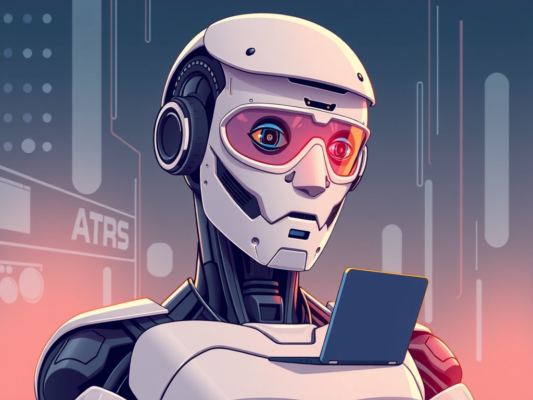
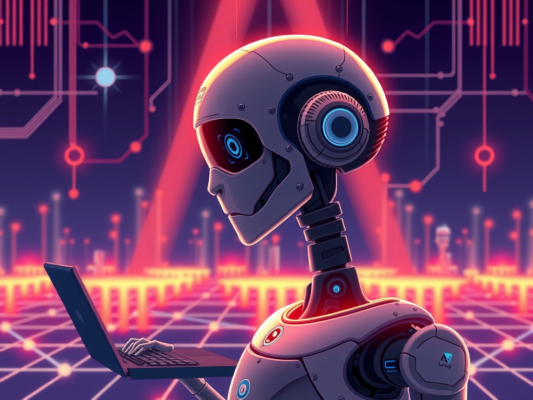
The rise of artificial intelligence (AI) has sparked discussions about its potential impact on human jobs. While AI has the ability to streamline processes, increase efficiency, and enhance productivity, there are concerns that it could also lead to job displacement. With advancements in technology, AI has the potential to replace certain human jobs, especially those that involve repetitive tasks or data analysis. This shift in the workforce raises questions about the future of work and how humans will adapt to this changing landscape.
Artificial Intelligence: A Threat to Traditional Employment?
As technology continues to advance at an unprecedented rate, the rise of artificial intelligence (AI) has sparked concerns about its potential impact on traditional employment. Many experts argue that AI could potentially replace human jobs, leading to widespread job displacement and economic disruption. While the full extent of AI's impact on the labor market remains to be seen, it is clear that the rise of AI presents both opportunities and challenges for workers across various industries.
AI has already begun to revolutionize industries such as manufacturing, transportation, and customer service, with machines increasingly taking over tasks that were once performed by humans. As AI technology continues to improve and evolve, it is likely that more jobs will be automated, leading to potential job losses for workers in these sectors. This trend has raised concerns about the future of work and the need for workers to adapt to the changing landscape of the labor market.

Despite the potential threats posed by AI to traditional employment, some experts argue that AI could also create new job opportunities and spur economic growth. AI has the potential to boost productivity, streamline processes, and drive innovation, leading to the creation of new industries and job roles. While AI may eliminate certain jobs, it could also create new jobs that require human skills such as creativity, critical thinking, and emotional intelligence. As such, the impact of AI on the labor market is likely to be complex and multifaceted.
In conclusion, the rise of artificial intelligence presents both challenges and opportunities for traditional employment. While AI has the potential to automate routine tasks and replace certain jobs, it could also create new job opportunities and drive economic growth. As we navigate the impact of AI on the labor market, it will be crucial for policymakers, businesses, and workers to adapt to the changing landscape of work and to invest in developing the skills needed to thrive in an AI-driven economy.
Is AI Automation the End of Human Jobs as We Know Them?
Artificial Intelligence (AI) has revolutionized many industries by automating processes and increasing efficiency. However, the question remains: is AI automation the end of human jobs as we know them? While AI has the potential to replace certain tasks currently performed by humans, it also has the ability to create new job opportunities in emerging fields. The key lies in understanding how AI can complement human skills rather than simply replacing them.
AI automation has the potential to streamline repetitive tasks and increase productivity in various industries. This can lead to job displacement in certain sectors, as machines are often more efficient and cost-effective than humans. However, this does not necessarily mean that AI will completely eliminate the need for human workers. Instead, it can free up time for employees to focus on more complex, creative tasks that require human intuition and problem-solving skills. By integrating AI technology into existing workflows, businesses can enhance their operations and create new opportunities for growth and innovation.
Frequently Asked Question
AI replacing human jobs
As artificial intelligence continues to advance, there is a growing concern about its potential to replace human jobs. While AI can automate repetitive tasks and increase efficiency, it also has the capability to take over jobs that were once done by humans. This shift in the workforce raises questions about the future of employment and how society will need to adapt.
Impact on employment
The impact of AI replacing human jobs is already being felt in various industries. Jobs that involve routine tasks are at a higher risk of being automated, leading to potential job loss for many workers. This shift in the workforce raises concerns about the need for retraining and upskilling to ensure that individuals are equipped for the changing job market.
Benefits of AI in the workforce
While the idea of AI replacing human jobs can be concerning, there are also benefits to incorporating AI into the workforce. AI can increase productivity, improve accuracy, and free up humans to focus on more creative and strategic tasks. By working alongside AI, humans can leverage the technology to enhance their own skills and capabilities.
Preparing for the future
As AI continues to evolve, it is essential for individuals and organizations to prepare for the future of work. This includes investing in education and training programs that focus on skills that are less likely to be automated. By embracing AI and adapting to the changing workforce, individuals can position themselves for success in the digital age.