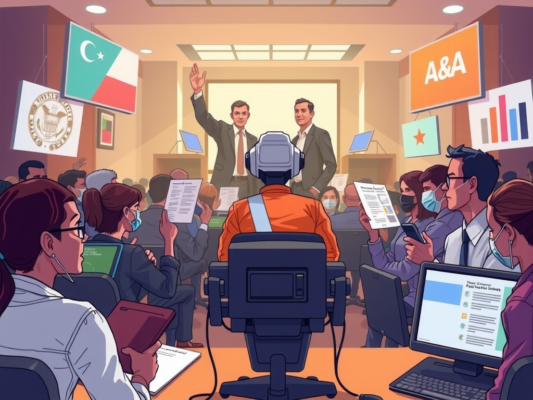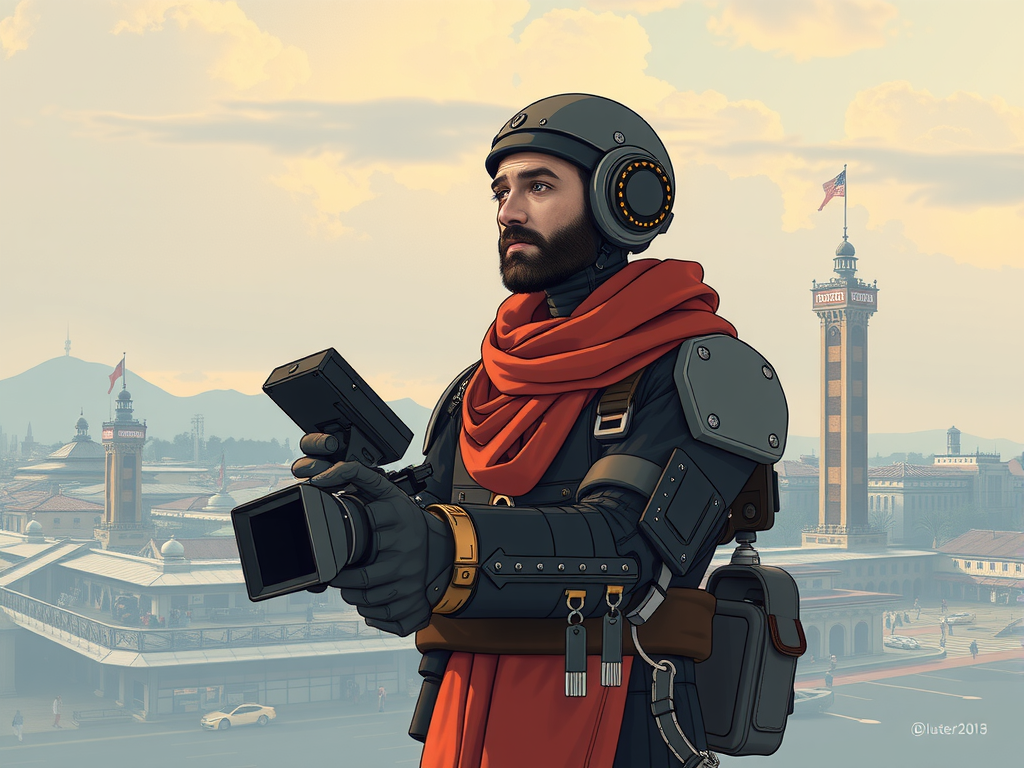
Imagine stepping back in time and experiencing historical events as if you were right there in the moment. Thanks to the advancements in artificial intelligence, this is now possible through immersive historical documentaries. AI technology has revolutionized the way we consume history by creating realistic and interactive experiences that bring the past to life.
By utilizing AI algorithms and machine learning, historical documentaries can incorporate virtual reality, augmented reality, and 3D modeling to transport viewers to different eras. These cutting-edge technologies allow audiences to explore ancient civilizations, witness monumental events, and interact with historical figures like never before. Through the power of AI, history is no longer confined to textbooks – it has become a dynamic and engaging journey through time.
Table of contents
Uncovering the Past: AI's Role in Creating Immersive Historical Documentaries
Uncovering the past is an essential part of creating immersive historical documentaries, and artificial intelligence (AI) plays a crucial role in this process. AI technology has revolutionized the way filmmakers and historians approach storytelling, allowing them to delve deeper into historical events and bring them to life in a more engaging and interactive way. By leveraging AI algorithms and machine learning, creators can analyze vast amounts of historical data and footage to uncover new insights and perspectives that may have been previously overlooked. This not only enhances the overall quality of the documentary but also allows viewers to immerse themselves in the past like never before.

AI's ability to process and analyze large volumes of data quickly and efficiently is particularly valuable when it comes to historical documentaries. By using AI-powered tools, creators can sift through archives, documents, photographs, and videos to piece together a comprehensive and accurate representation of a particular time period or event. This not only saves time and resources but also ensures that the final product is as informative and authentic as possible. Additionally, AI can help identify patterns, trends, and connections within the data that human researchers may have missed, adding a new layer of depth and complexity to the storytelling.
One of the most significant ways AI enhances the immersive experience of historical documentaries is through its ability to recreate historical environments and events in stunning detail. By utilizing techniques such as deep learning and computer vision, filmmakers can digitally reconstruct ancient cities, battlefields, and landmarks with remarkable accuracy. This allows viewers to step back in time and witness these historical events as if they were happening before their eyes, creating a truly immersive and engaging viewing experience. AI's role in creating historical documentaries is not just about presenting facts and information—it's about bringing history to life in a way that resonates with audiences on a visceral and emotional level.
Revolutionizing Historical Storytelling: The Impact of AI in Documentaries
Revolutionizing Historical Storytelling: The Impact of AI in Documentaries
In recent years, the use of artificial intelligence (AI) in creating immersive historical documentaries has completely transformed the way we experience and learn about the past. By harnessing the power of AI, filmmakers and historians are able to craft compelling narratives that bring history to life in a way that was never before possible. Through the use of advanced algorithms and machine learning techniques, AI is able to analyze vast amounts of historical data, images, and footage to uncover new insights and tell stories in a more engaging and interactive manner.
AI has enabled filmmakers to create stunning visual effects and reconstructions that transport viewers back in time, allowing them to witness key historical events as if they were right there in the moment. By using AI to enhance and manipulate archival footage, documentaries can now provide a more realistic and immersive experience, making history feel more alive and tangible. Additionally, AI-powered voice and facial recognition technologies can be used to analyze historical figures and events, adding a new layer of depth and authenticity to the storytelling process.
Moreover, AI can help streamline the research and production process, allowing filmmakers to uncover new connections and perspectives that may have been overlooked in the past. Through the use of natural language processing and data mining, AI can sift through vast archives of historical documents and artifacts to uncover hidden patterns and insights, helping to create more comprehensive and accurate portrayals of the past. Overall, the impact of AI in historical documentaries is undeniable, revolutionizing the way we engage with and understand history in a more immersive and captivating way.
Bringing History to Life: The Power of AI in Immersive Documentary Making
Imagine being able to step back in time and witness history unfolding before your eyes. Thanks to the power of artificial intelligence (AI), immersive historical documentaries are now bringing the past to life in ways we never thought possible. By harnessing the latest in AI technology, filmmakers and historians are able to recreate iconic moments from history with stunning accuracy and detail.
One of the key ways AI is revolutionizing documentary making is through the use of deep learning algorithms. These algorithms analyze vast amounts of historical data, from photos and videos to written accounts, to recreate historical events with incredible precision. By training AI models on this data, filmmakers can generate lifelike representations of historical figures and settings, allowing viewers to experience history in a whole new way.
Frequently Asked Question
How AI Enhances Historical Documentaries
AI is revolutionizing the way historical documentaries are created by utilizing advanced algorithms and machine learning techniques to analyze vast amounts of data. By using AI, filmmakers can create immersive and engaging documentaries that bring history to life in a way that was previously unimaginable. Historical documentaries are now more interactive and captivating, allowing viewers to experience the past in a whole new light.
The Role of AI in Researching Historical Events
AI plays a crucial role in researching historical events by sifting through massive archives of documents, photos, and videos to uncover new information and perspectives. Through machine learning algorithms, AI can analyze and connect disparate pieces of information to create a comprehensive and accurate portrayal of historical events. This enables filmmakers to present a more nuanced and detailed account of the past in their documentaries.
AI Technology Used in Creating Historical Documentaries
AI technology used in creating historical documentaries includes natural language processing, computer vision, and deep learning algorithms. These technologies enable filmmakers to automate the process of researching and analyzing historical data, making it easier to uncover new insights and present them in a visually compelling way. By harnessing the power of AI, filmmakers can create documentaries that are both informative and visually stunning.
Benefits of Using AI in Historical Documentary Production
The benefits of using AI in historical documentary production are numerous, including increased efficiency, accuracy, and creativity. AI can help filmmakers streamline the research process, allowing them to focus on crafting a compelling narrative and engaging visuals. Additionally, AI can help uncover new perspectives and insights that may have been overlooked through traditional research methods. By leveraging AI technology, filmmakers can create immersive historical documentaries that resonate with audiences on a deeper level.
Conclusion
In conclusion, the use of AI in creating immersive historical documentaries adds a new level of depth and authenticity to storytelling. By analyzing vast amounts of data and generating realistic simulations, AI can bring the past to life in a way that captivates and educates viewers. This innovative technology allows for a more engaging and interactive experience, making history more accessible and relatable to audiences. As AI continues to evolve, we can expect even more groundbreaking documentaries that blur the line between past and present.