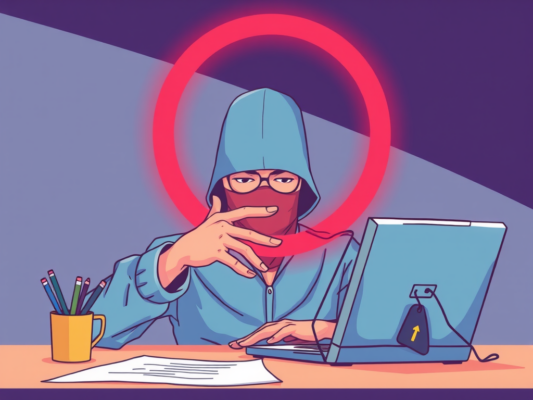
Steer Clear of These Common NFT Scams to Safeguard Your Investments
One of the most important things to keep in mind when investing in NFTs is to be aware of the common scams that are out there. By educating yourself on what to watch out for, you can safeguard your investments and avoid falling victim to fraudulent schemes. One common scam to be wary of is phishing scams, where scammers will try to trick you into revealing your private keys or personal information. It's important to always double-check the authenticity of the websites you are using and never share sensitive information with anyone.
Another common scam in the world of NFTs is fake giveaways or airdrops. Scammers will promise free NFTs or tokens in exchange for your personal information or a small payment. Remember, if something seems too good to be true, it probably is. Always do your due diligence and research the legitimacy of any giveaway or airdrop before participating.
One of the most prevalent NFT scams is rug pulls, where creators will sell NFTs with no actual value and then disappear with the funds. To avoid falling victim to a rug pull, make sure to research the project and team behind the NFT before making a purchase. Look for transparency and a strong community presence to ensure that you are investing in a legitimate project.

By staying informed and being cautious, you can protect yourself from falling victim to these common NFT scams. Remember to always verify the authenticity of websites and projects, never share your private keys or personal information, and trust your instincts. With these precautions in mind, you can safely navigate the world of NFTs and protect your investments.
Avoid Falling Victim to Sneaky NFT Scams with These Helpful Tips
Are you considering investing in NFTs but worried about falling victim to sneaky scams? You're not alone. With the rise of Non-Fungible Tokens (NFTs) in the digital art and collectibles market, scammers are finding new ways to deceive unsuspecting buyers. To help you avoid becoming a victim of NFT scams, here are some helpful tips to keep in mind.
First and foremost, always do your research before making any purchases. Take the time to research the artist or creator behind the NFT, as well as the platform where it is being sold. Look for reviews and feedback from other buyers to ensure legitimacy. Scammers often create fake profiles or use stolen images to lure in victims, so be wary of any red flags.
Another important tip is to be cautious of deals that seem too good to be true. If an NFT is being sold at a significantly lower price than similar items, it could be a sign of a scam. Scammers may try to rush you into making a purchase by offering limited-time deals or claiming that the price will increase soon. Take your time to evaluate the offer and don't be afraid to walk away if something doesn't feel right.
Lastly, always use secure and reputable platforms when buying or selling NFTs. Stick to well-known marketplaces with a proven track record of protecting buyers and sellers. Avoid sharing personal information or sending payments outside of the platform, as this can leave you vulnerable to fraud. By following these tips and staying vigilant, you can avoid falling victim to sneaky NFT scams.
Protect Your Digital Assets: How to Spot and Avoid NFT Scams
Protect Your Digital Assets: How to Spot and Avoid NFT Scams
In the world of NFTs (Non-Fungible Tokens), it's essential to be vigilant and cautious to avoid falling victim to scams. One common scam involves fake NFT projects that promise high returns but turn out to be nothing more than a Ponzi scheme. To protect your digital assets, here are some tips on how to spot and avoid NFT scams:
Firstly, always do thorough research on the NFT project and the team behind it. Look for information about the creators, their experience in the industry, and any past projects they have worked on. If there is little to no information available, it could be a red flag.
Secondly, be wary of projects that promise guaranteed returns or use high-pressure sales tactics to get you to invest. Remember, if it sounds too good to be true, it probably is. Trust your instincts and don't let FOMO (fear of missing out) cloud your judgment.
Additionally, watch out for phishing scams where scammers impersonate legitimate NFT platforms to steal your personal information or digital assets. Always double-check URLs, use secure payment methods, and never share your private keys with anyone.
By staying informed, conducting due diligence, and trusting your instincts, you can protect yourself from falling victim to NFT scams and safeguard your digital assets for the future. Stay safe and happy NFT hunting!
Frequently Asked Question
How can I avoid NFT scams?
When it comes to NFTs, it's important to do your due diligence before making any purchases. Be cautious of fake NFT projects that promise high returns or seem too good to be true. Make sure to only buy from reputable creators and platforms to reduce the risk of falling victim to scams.
What are some common NFT scam tactics?
Some common NFT scam tactics include phishing attempts, where scammers try to trick you into giving away your personal information or private keys. Another tactic is selling fake or stolen NFTs, which can result in significant financial losses for the buyer. Always verify the authenticity of an NFT before making a purchase.
How can I protect myself from NFT scams?
To protect yourself from NFT scams, it's important to educate yourself on the red flags to look out for. Be cautious of projects that have poor communication or lack transparency. Additionally, consider using a secure wallet and enabling two-factor authentication to keep your digital assets safe.
What should I do if I suspect I've fallen for an NFT scam?
If you suspect that you've fallen for an NFT scam, it's crucial to act quickly. Contact the platform or creator where you made the purchase and report the incident. You should also consider reaching out to your financial institution or local authorities to seek assistance in recovering your funds.